Authentic sailing experience
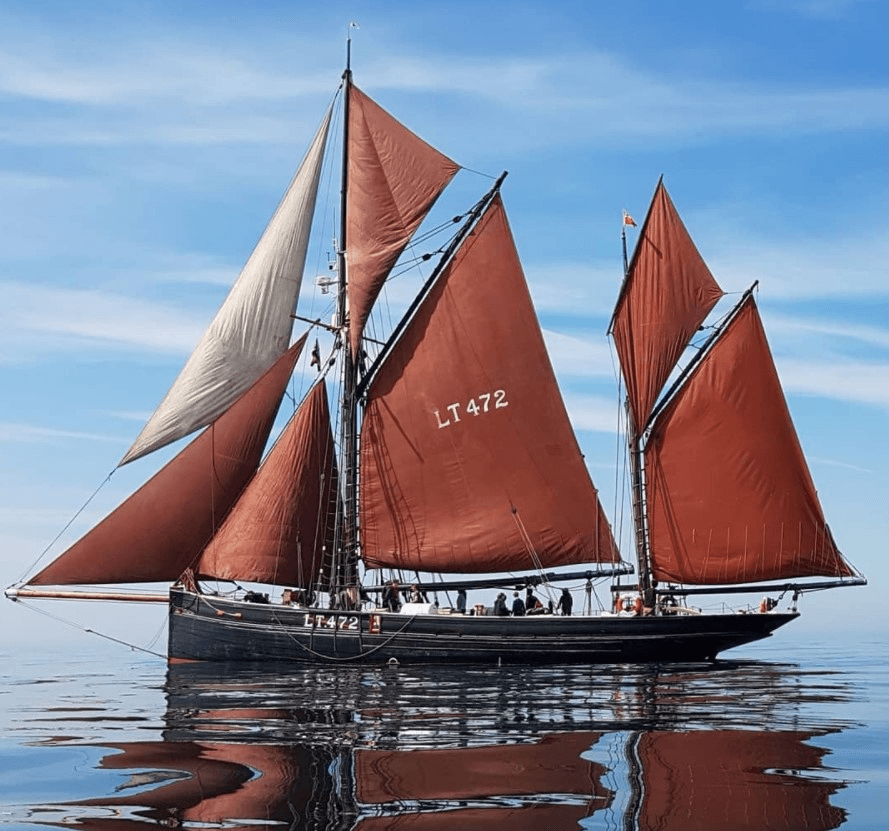
Feel the power of wind in the sails and take part in a real sea adventure – without commercial gimmicks and crowds of tourists.

Philipsburg, St. Maarten – Willemstad, Curaçao
Why choose a Tall Ship cruise?
I want to set sail →Feel the power of wind in the sails and take part in a real sea adventure – without commercial gimmicks and crowds of tourists.
Immerse yourself in a world where time flows slower, and the only sound is the rush of waves and the crack of lines.
Whether you have sailing experience or are taking your first steps on deck – you'll find a cruise tailored to your expectations and abilities.
From short Baltic cruises to multi-week transatlantic voyages. Choose a cruise that fits your rhythm and dreams.
Dutch in the south, French in the north – on St. Maarten you will find an unusual piece of Europe in the middle of the Caribbean. Because of the natural salt deposits, the Dutch West India Company once claimed the island for itself and – according to legend – divided the island up in 1648 after a drinking competition with the French. In the colorful port city of Philipsburg, a day at the beach can be perfectly combined with a stroll through town: From the fine sandy Great Bay Beach it is only a stone's throw to the Boardwalk with its restaurants and to the boutiques of the small city center.
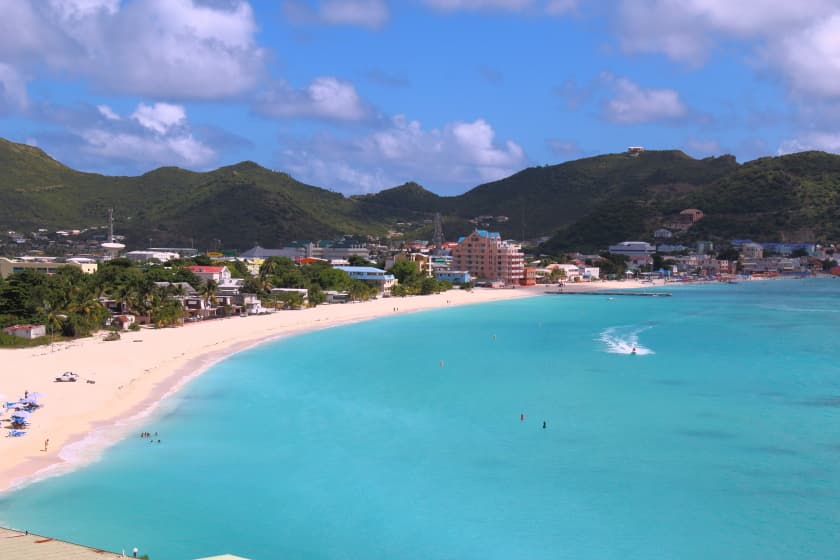
Arriving in Philipsburg, you are greeted by a bright Caribbean shoreline, calm turquoise water, and a busy harbour backed by low green hills. Nearby, the town is known for its long seafront, colorful streets, and relaxed island atmosphere that blends beach life with the energy of a cruise port.
Climbing the rigging, untying ropes, setting sails – today is all about sailing. Time to lean back and relax in the deck chair and watch the passionate crew hoisting the sails by hand.
Explorers once used to cross swords in the Sir Francis Drake Channel. Nowadays the sea around the British Virgin Islands is one of the world's best sailing areas. Heavenly bays, gorgeous beaches, idyllic anchoring spots, smart yacht clubs and charming little beach bars make the island a popular haunt for sailors. On Virgin Gorda, once called "The Fat Virgin" by Columbus due to its shape, you can find "The Baths", one of nature's most beautiful oddities, in the National Park. Ground to a sphere and polished to a shine, the huge granite formations on the beach and in the water create a multi-branched labyrinth of giant boulders.
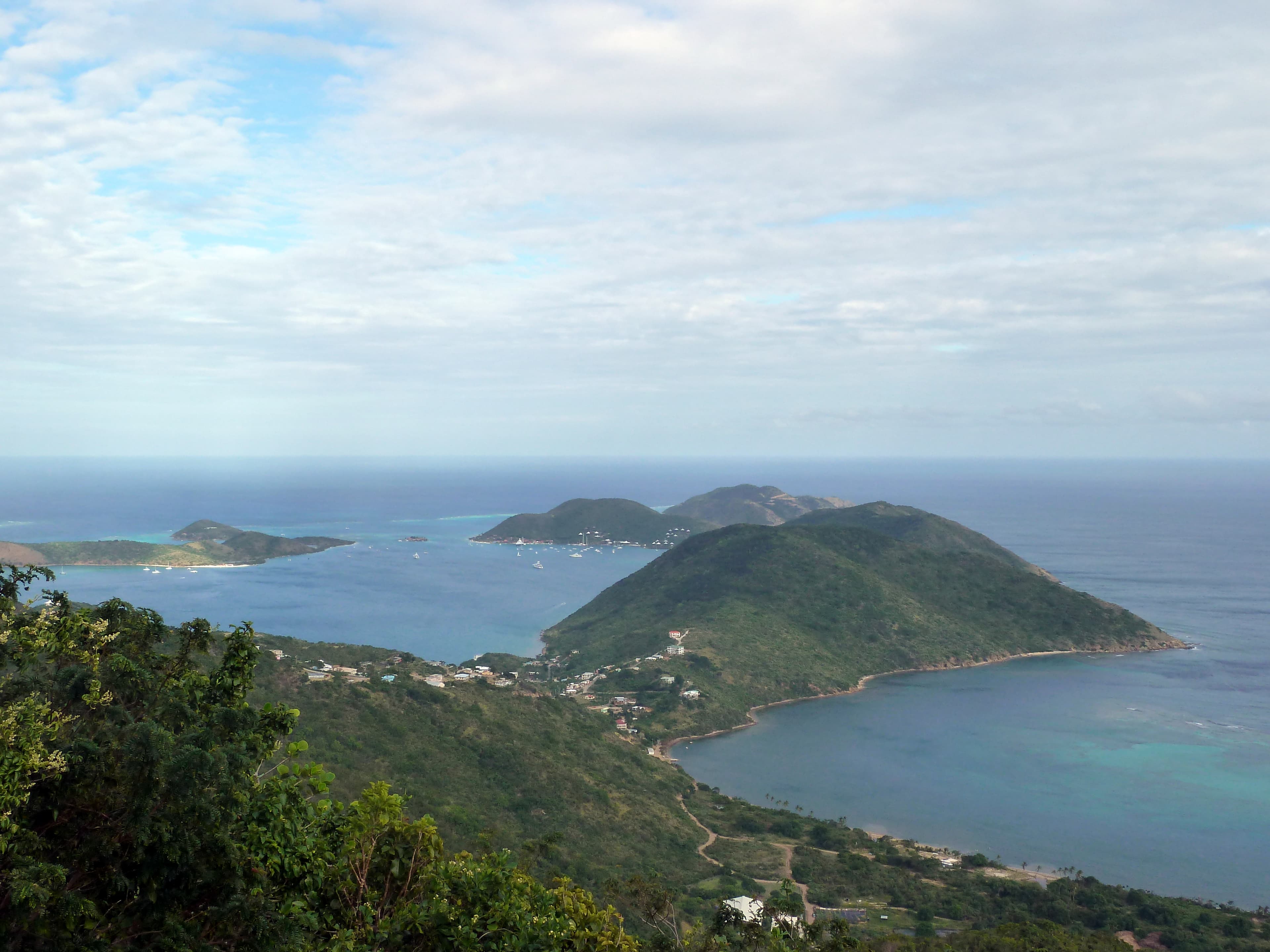
North Sound welcomes ships with calm, bright-blue water, low green hills, and a scattered coastline of marinas, beaches, and small islands. From the anchorage, the atmosphere feels relaxed and upscale, with nearby shores offering easy views of Virgin Gorda’s sheltered bays and elegant Caribbean seascapes.
Great Harbour on Jost van Dyke welcomes you with a small Caribbean waterfront, clear turquoise water, and green hills rising just beyond the bay. From the anchorage or quay, the mood is relaxed and beachy, with quiet island scenery and a few nearby stretches of sand inviting an easy walk ashore.
It almost seems as if no other career choice than pirate was possible in the 17th and 18th centuries in the British Virgin Islands. Jost van Dyke, Blackbeard, Francis Drake – they all went on the prowl in the Dream Territory during the golden age of privateering. Norman Island was named after the pirate captain Norman, who allegedly hid his treasures here, and inspired Robert Louis Stevenson to write his adventure novel “Treasure Island”. If you dig a little in the fine sand on the uninhabited private island today, you probably won’t discover any gold coins, but you will discover an equally valuable treasure: deep, Caribbean relaxation.
Approaching Norman Island by ship, you are greeted by steep green hills, rocky coves, and clear turquoise water that gives the anchorage a secluded, tropical feel. Nearby, the island’s sheltered bays and dramatic shoreline are the main sights, offering a relaxed atmosphere shaped more by sea and nature than by any town waterfront.
St John’s is the capital of this small island in the Antilles, a former British colony. From Shirley Heights in the south you have a fantastic view over the English harbor and Nelson's Dockyard, an old restored shipyard named after the Admiral. Visit Betty's Hope, a restored sugar mill where "white gold" would have been processed during the island's bitter past. Now sweet black pineapples grow in the gentle rolling landscape around Boggy Peak. The coast is lined with bays and lagoons, dazzling white palm-filled beaches – one for every day of the year – and an almost unbroken coral reef.
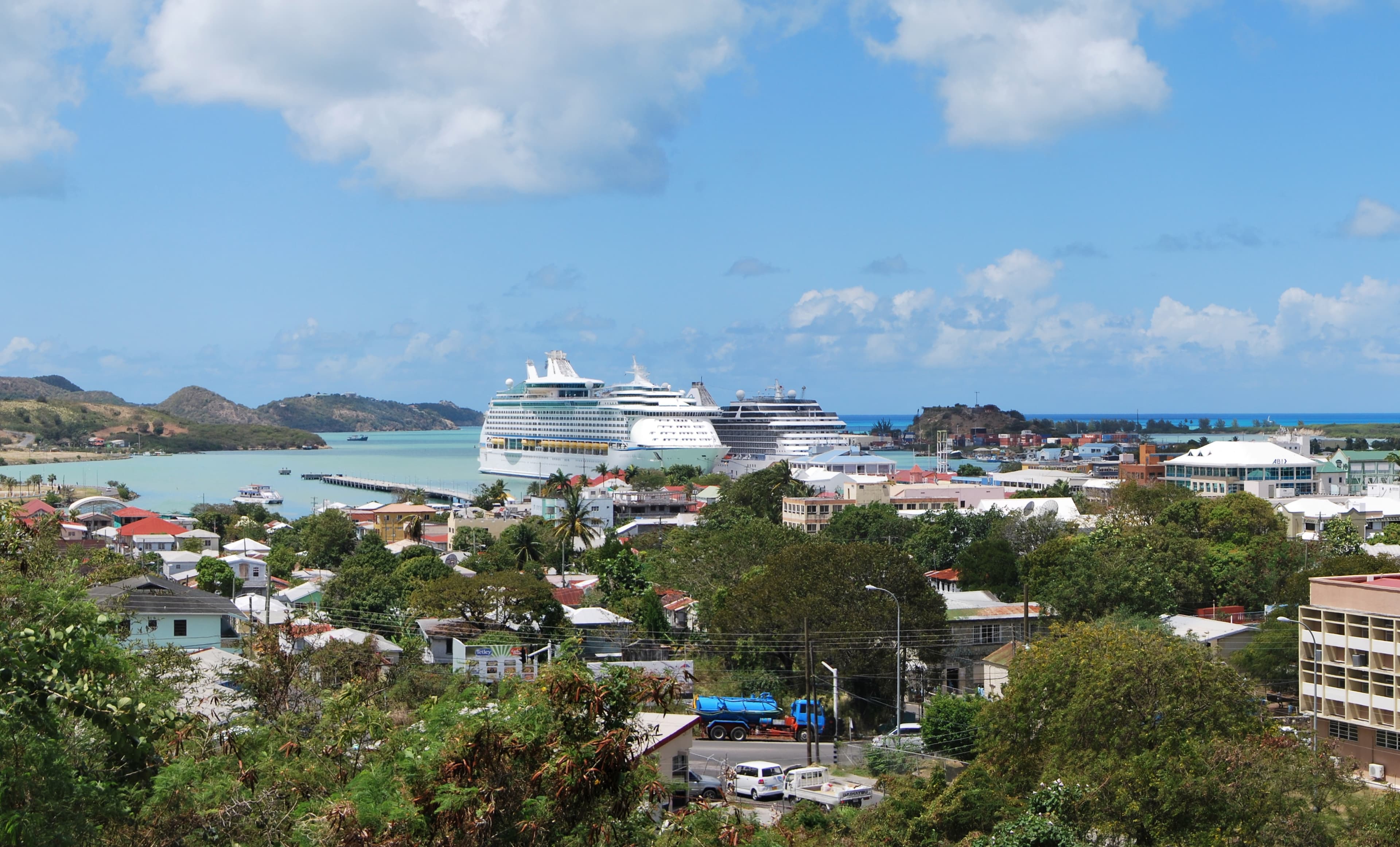
Approaching St. John’s by sea, you are greeted by a bright Caribbean harbour edged with low hills, pastel buildings, and the lively waterfront of Antigua’s capital. From the port, the historic town, markets, and nearby beaches give the area an easygoing island atmosphere with a busy maritime feel.
St. Barthélemy, affectionately known as St. Barths by most, already had many "owners" before the Lesser Antilles were acquired by France in 1877. When the first estate was acquired by the banker David Rockefeller in 1957, the island's future was finally sealed. It became a refuge for the international jet set and an elegant holiday paradise for many Hollywood stars. For over 40 years, St. Barths has cultivated a luxurious lifestyle with a Caribbean laissez-faire approach. You can stroll through the charming main town of Gustavia, whose beautifully restored houses and colonial facades look out over the sea with its elegant superyachts, browse in the shops for precious items, or enjoy a sundowner in the picturesque harbor surrounded by clusters of high class bars and restaurants.
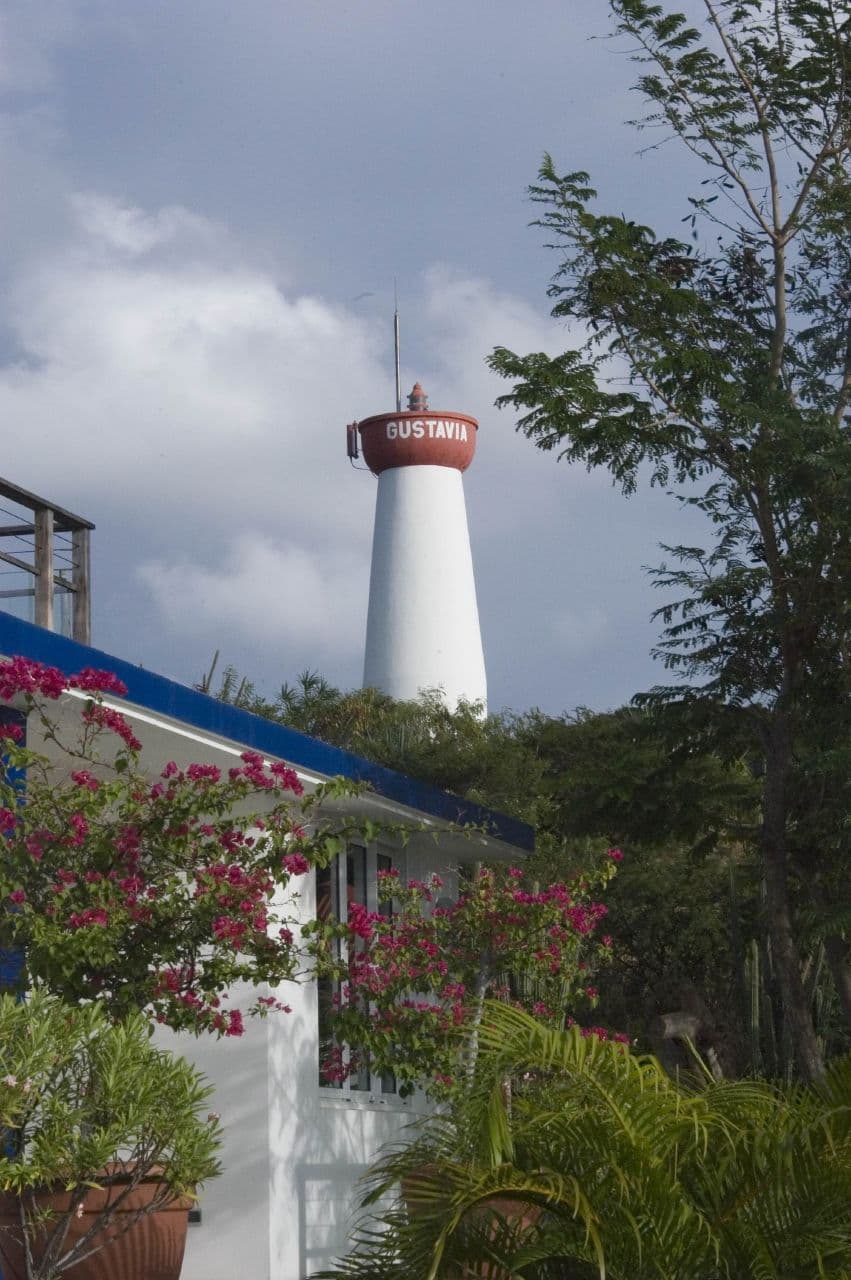
Arriving in Gustavia, you are greeted by a compact Caribbean harbour framed by green hills, bright waterfront buildings, and a lively mix of yachts and ferries. Just beyond the port, the town’s boutiques, cafés, and hillside viewpoints give St. Barts its polished yet relaxed island atmosphere.
Arriving in Philipsburg, you are greeted by a bright Caribbean shoreline, calm turquoise water, and a busy harbour backed by low green hills. Nearby, the town is known for its long seafront, colorful streets, and relaxed island atmosphere that blends beach life with the energy of a cruise port.
Arriving in Philipsburg, you are greeted by a bright Caribbean shoreline, calm turquoise water, and a busy harbour backed by low green hills. Nearby, the town is known for its long seafront, colorful streets, and relaxed island atmosphere that blends beach life with the energy of a cruise port.
Îles des Saintes is a small archipelago that was disputed for a long time until it finally became French in 1816. In the charming main town of Terre-de-Haut, take a delightful stroll along the waterside promenade. Boutiques, cafés, bars and restaurants invite you to browse and spend some time here. The savoir vivre takes place against a backdrop lit up in all the pastel shades of the Caribbean. Fort Napoleon is set high above the bay and your climb up to it is rewarded by a spectacular panoramic view. On the other side of the island, the Plage de Pompierre invites you to enjoy a dip in the sea and sunbathe on the beach.
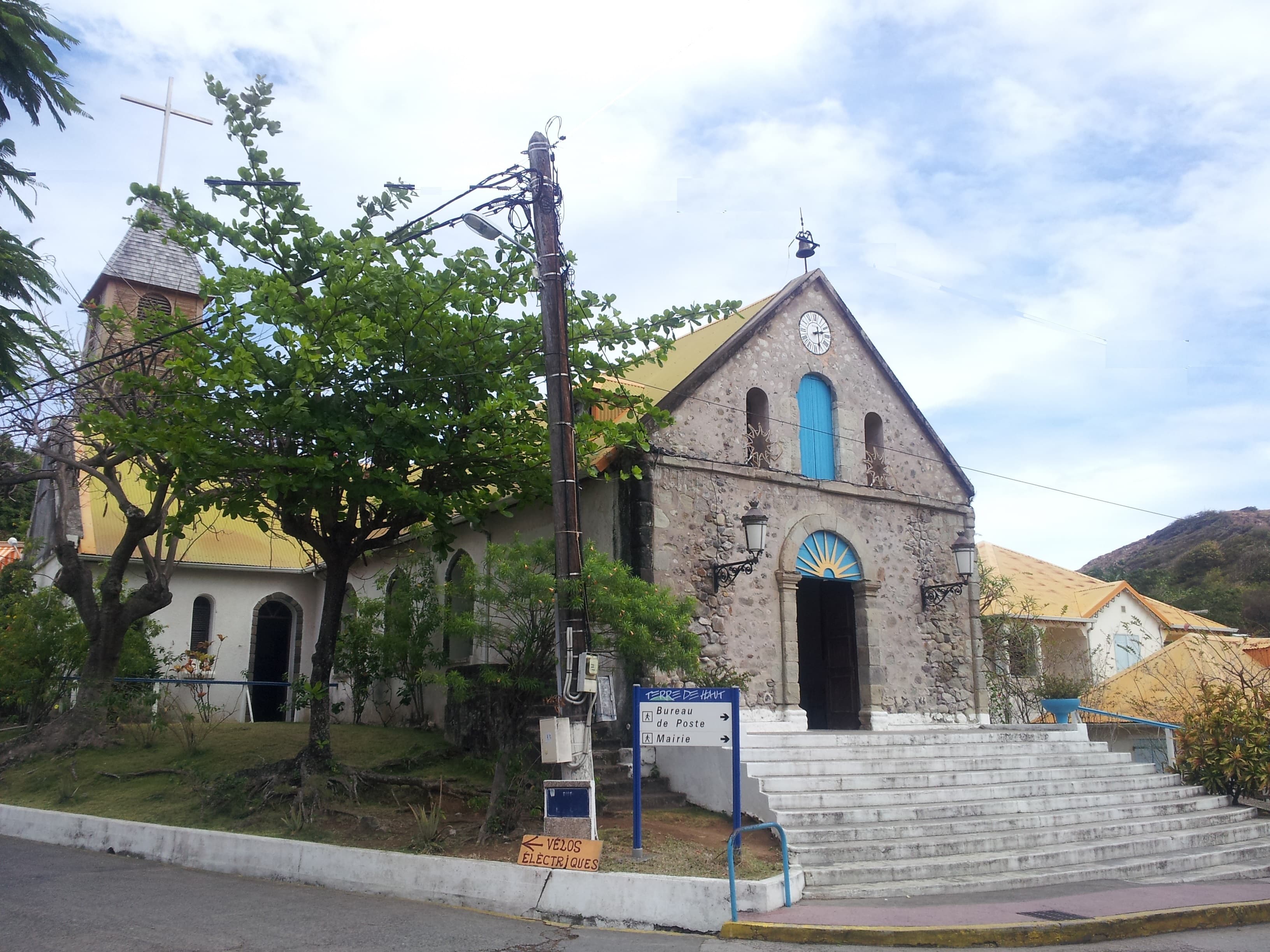
Approaching Terre-de-Haut by sea, you are met by one of the loveliest bays in the Lesser Antilles, with bright water, green hills and a compact village of colourful houses gathered around the harbour. Nearby, quiet streets, small beaches and hilltop views give the island an easy, sunlit Caribbean atmosphere.
Two famous volcanic cones are indisputably the emblem of St. Lucia and have been designated as UNESCO World Heritage Sites. Gros and Petit Piton tower over the southern, windward side of the island and, in Soufrière, seem close enough to touch. The volcanoes have in fact long been extinct, but the sulphur springs demonstrate the power of the earth's core and still bubble up. In the Botanical Gardens, natural abundance is combined with artistic arrangements to create a colorful tropical paradise. Some people claim that Josephine, who later became Napoleon's wife, used to bathe in the little pool in the garden.
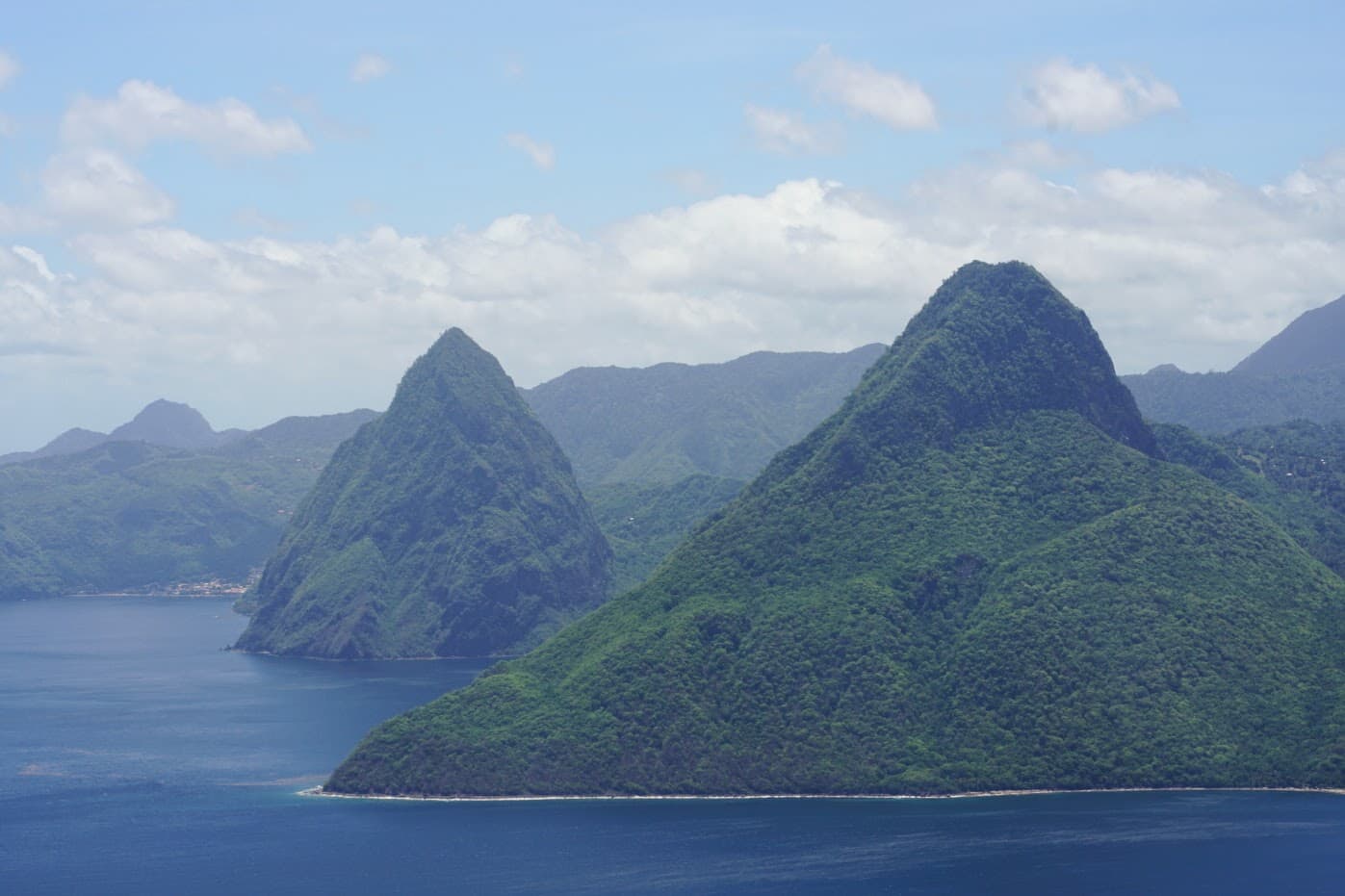
Arriving off Soufrière, you are greeted by a dramatic green coastline where steep hills tumble toward a sheltered bay, giving this part of St. Lucia a lush, volcanic feel. Nearby, the famous Pitons rise over the coast, and the town itself has a relaxed Caribbean atmosphere with colorful buildings backed by dense tropical slopes.
Right in the south of the Grenadines are the Tobago Cays – four small uninhabited islands, surrounded by a protective horseshoe-shaped coral reef. The Horseshoe Reef holds the Atlantic swell at bay and its unique animal and plant life make it an ideal place for snorkelling. The lagoon between the islets shimmers in all shades from turquoise through to emerald green and invites you to take a dip at the fantastic beaches.
Tobago Cays welcomes arriving ships with a dazzling lagoon of clear turquoise water, tiny islets, and bright coral shallows. The mood is peaceful and castaway-like, with nearby reefs, sandy beaches, and green cays creating one of the most idyllic seascapes in the Grenadines.
Beautiful beaches, aromatic spice plantations, dense rainforests, waterfalls, and a volcano that has long been extinct define this stunning island. For many people, Grenada is the incarnation of a tropical paradise and St. George's the most beautiful little port in the Grenadines. All around the horseshoe-shaped bay there are numerous houses reminiscent of colonial times. There is good reason why nutmeg is immortalized on the national flag. Alongside cloves, cinnamon and ginger, it is one of the island's biggest exports.
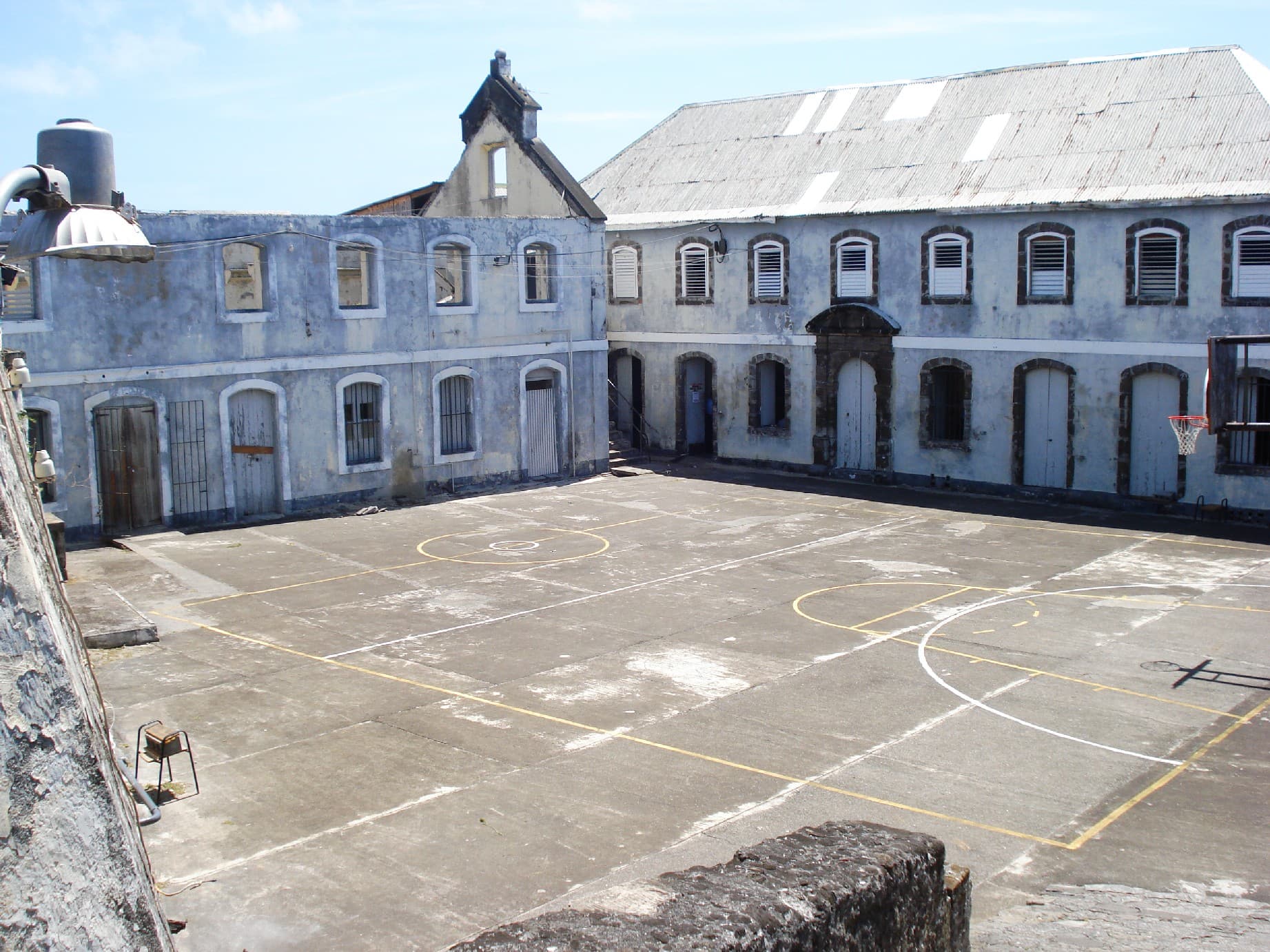
Arriving by ship, St. George’s unfolds around a deep, horseshoe-shaped harbour, with colorful hillside houses, church towers, and the green slopes beyond giving the waterfront a vivid Caribbean backdrop. Nearby, visitors can look out over the bay, wander into the compact historic streets, and enjoy the relaxed yet lively atmosphere of Grenada’s capital.
Spend the day sunbathing, enjoy the fresh wind breeze, and relax into the day!
The second largest in the ABC Islands, which forms part of the Kingdom of the Netherlands, is an idyllic natural paradise with many different faces. In the hilly northern region, lush tropical greenery prevails, and in the south, areas have a desert-like character with cactuses as high as trees and natural salt lakes that attract whole flocks of pink flamingos. The island also gleams with rugged rocky cliffs, mangrove forests, several small bays, endless sandy beaches and a long offshore coral reef.
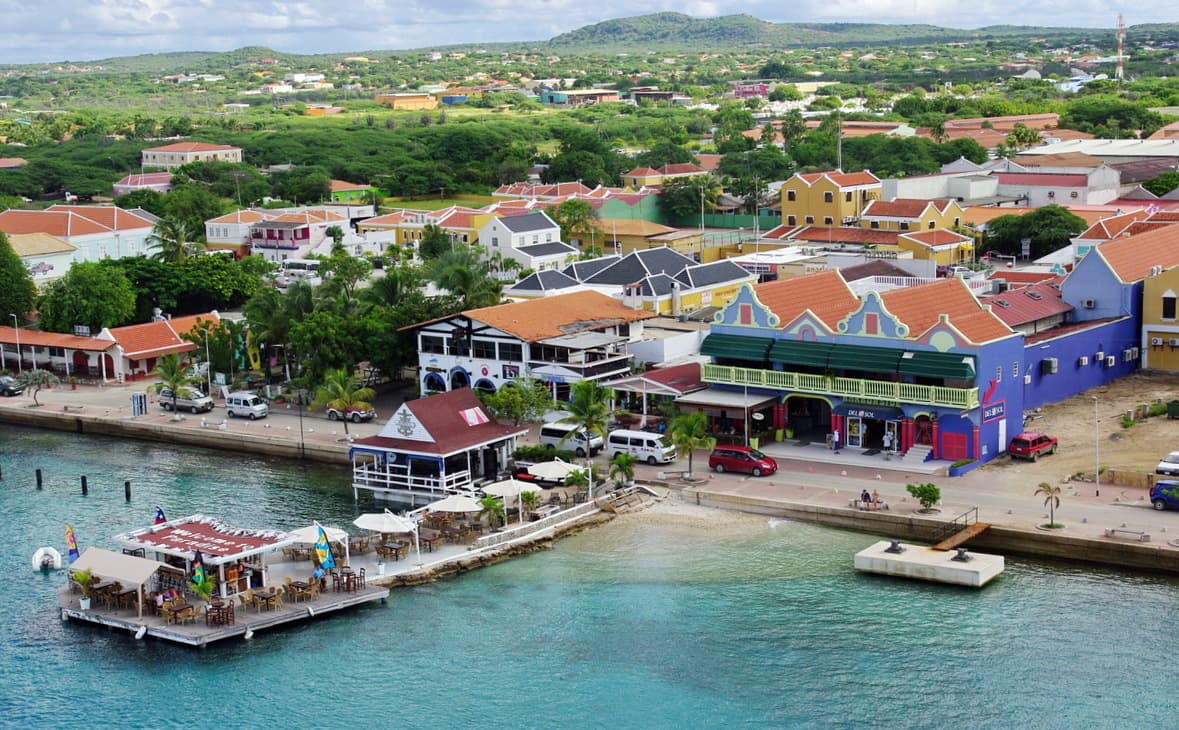
Arriving in Kralendijk, you’re greeted by Bonaire’s bright Caribbean light, calm turquoise water and a low waterfront lined with colorful buildings. Near the harbour, the town feels relaxed and unhurried, with easy views toward the coast, the sea and the island’s dry, sun-bleached landscape.
Curaçao, alphabetically the last of the ABC, is the largest in the Netherlands Antilles in terms of land area. The neat capital, Willemstad, a trading post for the Dutch West India Company in the 17th century, with its well preserved colonial architecture, is a UNESCO World Heritage Site. The picturesque location of the wide harbor canal, boulevards with beautifully restored facades and colorful, typically Dutch gabled houses make Willemstad a lively "Little Amsterdam". Take in the wonder of the bright Caribbean light, beneath palm trees, with azure bays and pearl-white beaches.
Arriving in Willemstad, you are greeted by a bright Caribbean harbour lined with colourful Dutch-colonial facades and a lively waterfront atmosphere. From the port, the historic districts and the entrance to St. Anna Bay are nearby highlights, with pastel streets, boats, and warm island light giving the city an easy, tropical charm.
Arriving in Philipsburg, you are greeted by a bright Caribbean shoreline, calm turquoise water, and a busy harbour backed by low green hills. Nearby, the town is known for its long seafront, colorful streets, and relaxed island atmosphere that blends beach life with the energy of a cruise port.
North Sound welcomes ships with calm, bright-blue water, low green hills, and a scattered coastline of marinas, beaches, and small islands. From the anchorage, the atmosphere feels relaxed and upscale, with nearby shores offering easy views of Virgin Gorda’s sheltered bays and elegant Caribbean seascapes.
Great Harbour on Jost van Dyke welcomes you with a small Caribbean waterfront, clear turquoise water, and green hills rising just beyond the bay. From the anchorage or quay, the mood is relaxed and beachy, with quiet island scenery and a few nearby stretches of sand inviting an easy walk ashore.
Approaching Norman Island by ship, you are greeted by steep green hills, rocky coves, and clear turquoise water that gives the anchorage a secluded, tropical feel. Nearby, the island’s sheltered bays and dramatic shoreline are the main sights, offering a relaxed atmosphere shaped more by sea and nature than by any town waterfront.
Approaching St. John’s by sea, you are greeted by a bright Caribbean harbour edged with low hills, pastel buildings, and the lively waterfront of Antigua’s capital. From the port, the historic town, markets, and nearby beaches give the area an easygoing island atmosphere with a busy maritime feel.
Arriving in Gustavia, you are greeted by a compact Caribbean harbour framed by green hills, bright waterfront buildings, and a lively mix of yachts and ferries. Just beyond the port, the town’s boutiques, cafés, and hillside viewpoints give St. Barts its polished yet relaxed island atmosphere.
Approaching Terre-de-Haut by sea, you are met by one of the loveliest bays in the Lesser Antilles, with bright water, green hills and a compact village of colourful houses gathered around the harbour. Nearby, quiet streets, small beaches and hilltop views give the island an easy, sunlit Caribbean atmosphere.
Arriving off Soufrière, you are greeted by a dramatic green coastline where steep hills tumble toward a sheltered bay, giving this part of St. Lucia a lush, volcanic feel. Nearby, the famous Pitons rise over the coast, and the town itself has a relaxed Caribbean atmosphere with colorful buildings backed by dense tropical slopes.
Tobago Cays welcomes arriving ships with a dazzling lagoon of clear turquoise water, tiny islets, and bright coral shallows. The mood is peaceful and castaway-like, with nearby reefs, sandy beaches, and green cays creating one of the most idyllic seascapes in the Grenadines.
Arriving by ship, St. George’s unfolds around a deep, horseshoe-shaped harbour, with colorful hillside houses, church towers, and the green slopes beyond giving the waterfront a vivid Caribbean backdrop. Nearby, visitors can look out over the bay, wander into the compact historic streets, and enjoy the relaxed yet lively atmosphere of Grenada’s capital.
Arriving in Kralendijk, you’re greeted by Bonaire’s bright Caribbean light, calm turquoise water and a low waterfront lined with colorful buildings. Near the harbour, the town feels relaxed and unhurried, with easy views toward the coast, the sea and the island’s dry, sun-bleached landscape.
Arriving in Willemstad, you are greeted by a bright Caribbean harbour lined with colourful Dutch-colonial facades and a lively waterfront atmosphere. From the port, the historic districts and the entrance to St. Anna Bay are nearby highlights, with pastel streets, boats, and warm island light giving the city an easy, tropical charm.
 Holiday
Dubrovnik, Croatia
1 September 2026
Venice, Italy
8 September 2026
From €5,190 / person
 Holiday
Olbia, Sardinia
1 September 2026
Olbia, Sardinia
9 September 2026
From €6,190 / person
HolidayWillemstad, Curaçao
2 September 2026
Panama City,
17 February 2027
From €6,130 / person
 Training
Ipswich, UK
4 September 2026
Ipswich, UK
6 September 2026
From ~€321 / person