Authentic sailing experience
Feel the power of wind in the sails and take part in a real sea adventure – without commercial gimmicks and crowds of tourists.

Dublin, Ireland – Bilbao, Spain
Why choose a Tall Ship cruise?
I want to set sail →Feel the power of wind in the sails and take part in a real sea adventure – without commercial gimmicks and crowds of tourists.
Immerse yourself in a world where time flows slower, and the only sound is the rush of waves and the crack of lines.
Whether you have sailing experience or are taking your first steps on deck – you'll find a cruise tailored to your expectations and abilities.
From short Baltic cruises to multi-week transatlantic voyages. Choose a cruise that fits your rhythm and dreams.
In the wake of the Celtic Tiger boom and financial crisis, Dublin, the Irish capital in the east of the Emerald Isle continues to be young, dynamic and European. It adeptly combines tradition and innovation in a small space. O'Connell Street in the Northside of Dublin shimmers with the lofty steel Millennium Spire and a brand new district has sprung up in the docklands with futuristic glass buildings and a Calatrava bridge. The old Half Penny Bridge takes you right into the heart of the city. Here you will find the lively, cobbled Temple Bar district with its numerous Guinness pubs, Dublin Castle, which is over 800 years old, and the soaring spires of St. Patrick's and Christ Church Cathedrals. Behind the neo-classical façade of the historic Trinity College, founded in 1592, is a magnificent library and the 1,200 year-old Book of Kells.
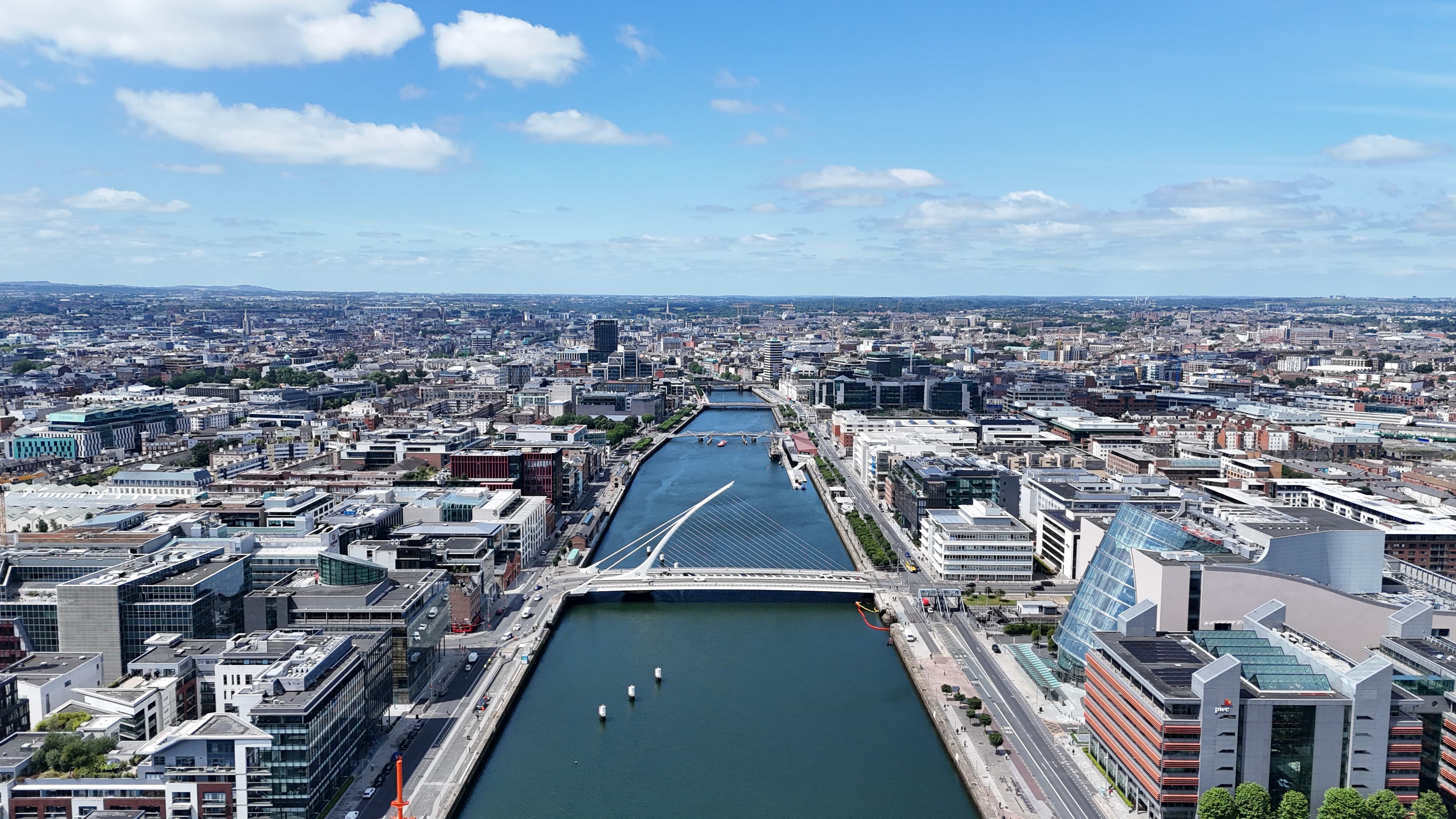
Approaching Dublin by sea, you enter a busy working port at the head of a broad bay, with the city spreading just beyond the docks and low coastal horizons all around. Nearby, visitors can head toward the River Liffey, the historic streets of the centre, and the lively pub-and-music atmosphere that gives the city its distinctive energy.
Climbing the rigging, untying ropes, setting sails – today is all about sailing. Time to lean back and relax in the deck chair and watch the passionate crew hoisting the sails by hand.
Cobh is beautifully situated on Ireland’s southern coast in Cork Harbour and is one of the country’s most historically significant towns. The colorful port became famous as the final port of call of the Titanic in 1912, when the town was still known as Queenstown. In the 19th century, Cobh was also a major departure point for millions of Irish emigrants heading to North America. Today, brightly painted houses, the lively harbor, and the striking St. Colman's Cathedral define the town’s skyline. Museums, waterfront promenades, and rich maritime history make Cobh a fascinating destination.
Off the south west coast of Cornwall, some 150 small islands and islets emerge from the sea. The privately-owned Tresco is the second largest of the five inhabited British Scilly Isles and has a reputation as an 'island in bloom' thanks to the mild Gulf Stream climate. The subtropical Tresco Abbey Gardens, set up in the 19th century by Augustus Smith on the lands of an old Benedictine Abbey, are home to exotic plants from many regions of the world. This small Garden of Eden is set in a natural paradise with subterranean caverns, sheer granite cliffs, idyllic white sandy beaches, emerald water and spectacular violet-red sunsets.
The old harbor town of Dartmouth in the southern English county of Devon is set in forested hills on the west bank of the Channel estuary. Since the 15th century, Dartmouth Castle and Kingswear Castle, which faces it, have guarded the entry to the town. Little has changed since 1539 in the cobbled Bayard's Cove with its small fort on the old harbor. Sailing boats and yachts now roll gently where great ships once set sail for new shores. Charming old houses line the narrow streets leading from the promenade up the steep slope with its numerous steps. Located in a dominant position above the town, the Britannia Royal Naval College bears testament to the historic significance of seafaring and the navy.
A piece of France fallen into the sea and grabbed up by the English' is how Victor Hugo described his place of exile in the Bay of St. Malo, which is closer to the northern coast of France than the south coast of England. Guernsey, the second largest British Channel Island, later inspired Auguste Renoir to produce a whole series of paintings. Narrow, meandering roads bordered by hedges and embankments wind through the interior of the island, which boasts luscious vegetation courtesy of the mild Gulf Stream climate, while in the south, green hills give way to rocky cliffs on the sea's edge. Here, spectacular crags, bays and sandy beaches have been shaped by the vast tidal range pummelling the rock. The pretty island capital of St. Peter Port overlooking the large sheltered harbor and castle boasts a fascinating mixture of styles in a tangle of terraces and stepped gardens.
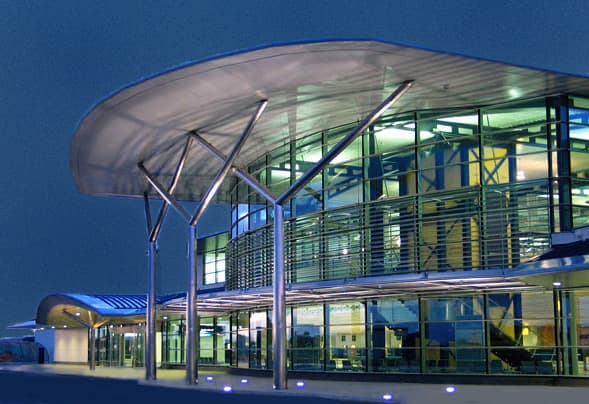
Arriving in Guernsey, you are met by a busy island harbour, stone sea walls and the compact outline of St Peter Port climbing the hillside nearby. Just beyond the quay, visitors can enjoy narrow streets, elegant old houses and wide sea views that give the island a relaxed but distinctly maritime atmosphere.
Many famous impressionists caught the quaint atmosphere of this town at the mouth of the Seine on canvas in the 19th century. This small town in Calvados is still one of the most charming places in Normandy. Tall and narrow slate-clad buildings crowd around the quayside, the exquisite Vieux Bassin and the old 17th century dock. Honfleur honours its famous sons, painter Eugène Boudin and composer Eric Satie, in a museum. East of Honfleur, the breathtaking Pont de Normandie spans the Seine estuary and links Honfleur with Le Havre, an engineering masterpiece and one of the longest bridges in Europe.
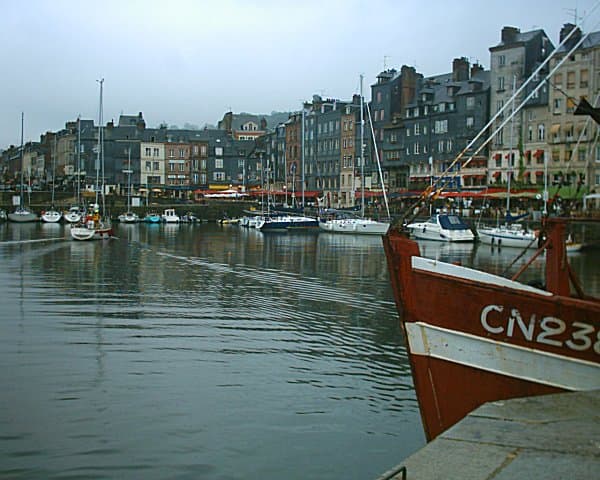
Arriving by ship near Honfleur, you reach the calm waters of the Seine estuary and a coast with a distinctly Norman character. Nearby, the old harbour, narrow streets and slate-roofed houses give the town a picturesque, intimate feel, with sea light and a relaxed maritime atmosphere.
Arriving by ship near Honfleur, you reach the calm waters of the Seine estuary and a coast with a distinctly Norman character. Nearby, the old harbour, narrow streets and slate-roofed houses give the town a picturesque, intimate feel, with sea light and a relaxed maritime atmosphere.
Spend the day sunbathing, enjoy the fresh wind breeze, and relax into the day!
The Breton harbor on the confluence of the river Scorff has always played an important role in the town's history. Its name is derived from the word 'orient' since Lorient was once home to the French East India Company and marked the center of a vast trading network. It is a passenger port, a bustling marina, France's second largest fishing port, a busy commercial port and a naval base. In 2006, a state-of-the-art interactive sailing museum was built in honour of Éric Tabarly, the ocean yachtsman par excellence and trailblazing designer of regatta yachts. This modern town was completely rebuilt and is now considered to be a hub for 20th century art and history.
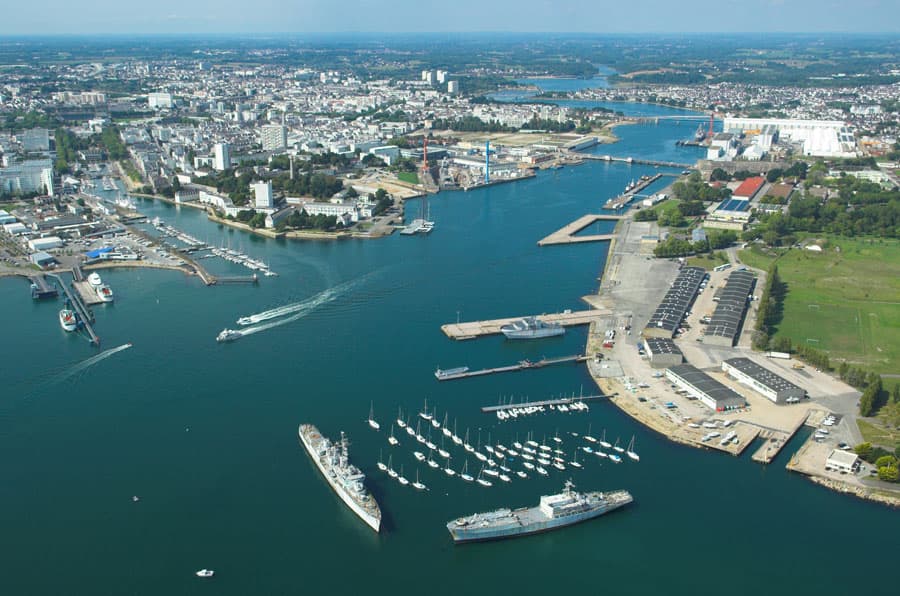
Arriving in Lorient, you enter a working Breton harbour of docks, marinas and broad estuary views, with the sea never feeling far away. Nearby, you can explore the waterfront, ferries across the roadstead and the wider coast of Morbihan, where island light and Atlantic air give the area a practical, maritime charm.
At 54 square miles, Belle-Île-en-Mer, south of Lorient is the largest of Brittany's islands. For a few weeks every summer, the storms and crashing waves subside and the island takes on a laid-back holiday atmosphere, with lots of bicycles, beach towels and music. On the west coast, the waves break on the rocks causing white crests to dance on the water. Small, idyllic bays and beaches nestle in deep inlets in the rocky coastline, sometimes only accessible from the sea. The island's capital is the port of Le Palais with its imposing citadel and countless street cafés along the harbor and in the Place de la République. Claude Monet spent two and a half months on the island, producing 39 paintings of the wild Côte Sauvage.
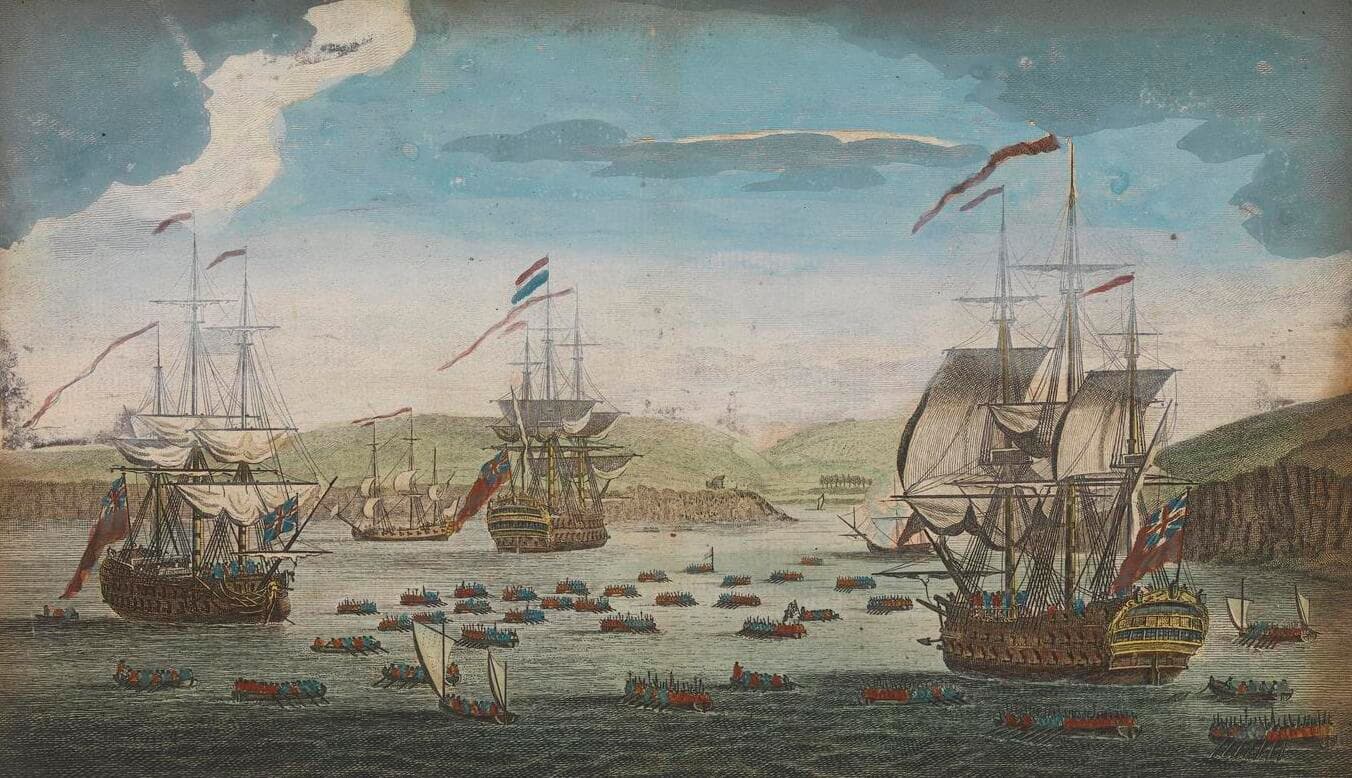
Arriving at Le Palais, you are welcomed by a sheltered harbour framed by quays, fishing boats, and the island’s relaxed maritime rhythm. Nearby, the old citadel rises above the port, and beyond the town the coast opens into wind-shaped cliffs, beaches, and the wide Atlantic scenery that gives Belle-Île its distinctive charm.
Pauillac on the Médoc peninsula at the mouth of the Gironde north-west of Bordeaux is one of the oldest marinas in France. Its wide quayside is just under a mile long and takes a prominent position in the peaceful town center. However, it is Pauillac's location in the middle of one of the best wine-growing areas which has made it famous around the world. The town produces by far the most full-bodied wines in the Médoc and Bordeaux regions. On the outskirts of this town, which has its own 'appellation d'origine contrôlée', are no fewer than 18 of the 61 chateaux included in the list of Grand-Crus in the 1855 Bordeaux Classification, as well as three of the five Premier Grand-Cru wine estates: Château Lafite-Rothschild, Château Latour and Château Mouton-Rothschild. An excursion to Bordeaux is more than just a visit to an exquisite city with an old town which features...
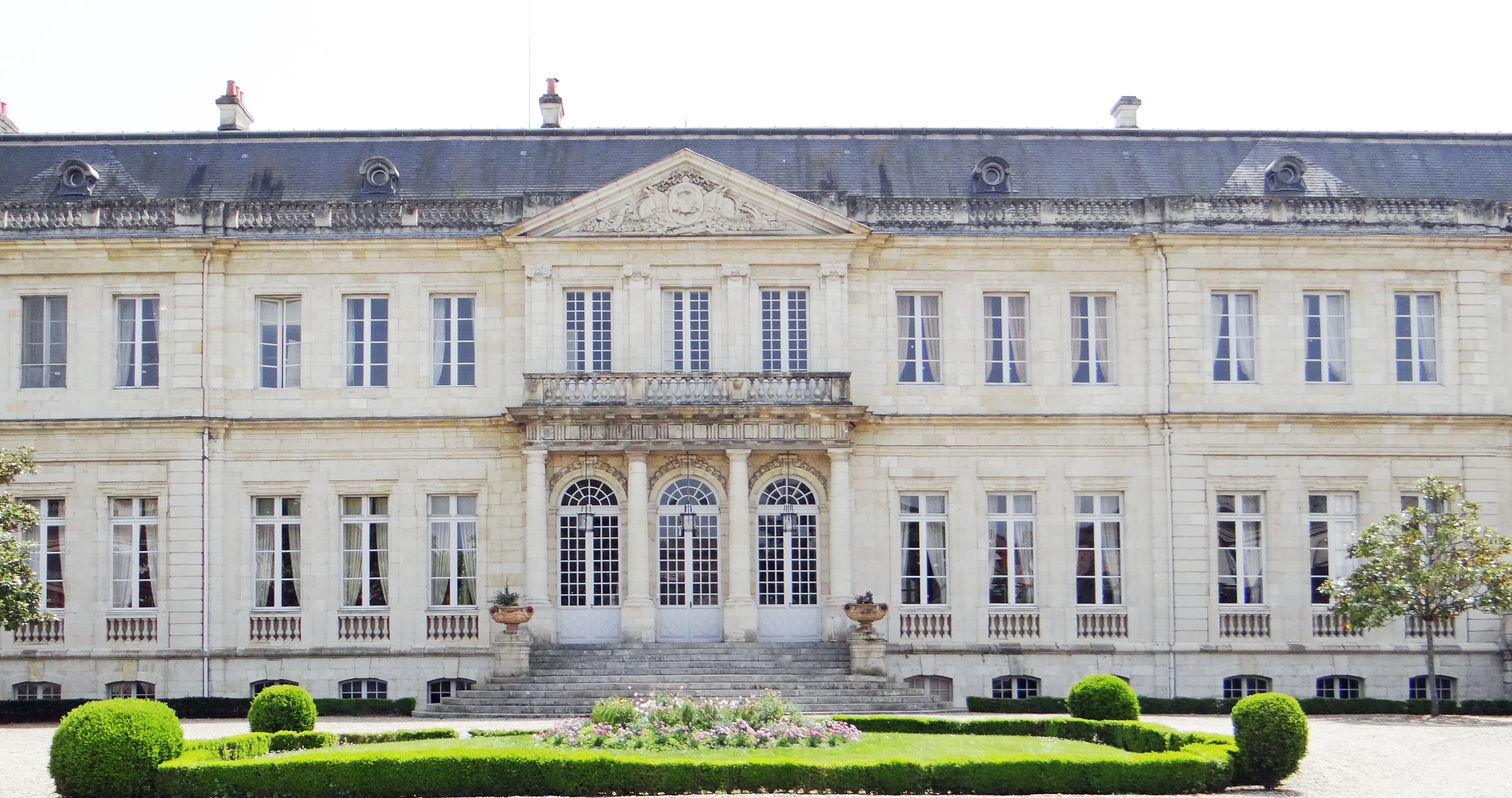
Arriving here by ship, you are met by the broad tidal river, working waterfronts, and a landscape shaped more by navigation and estuary weather than by a compact town quay. Nearby, the banks of the Garonne offer wide views, changing light on the water, and a calm, distinctly maritime atmosphere typical of southwestern France.
Pauillac on the Médoc peninsula at the mouth of the Gironde north-west of Bordeaux is one of the oldest marinas in France. Its wide quayside is just under a mile long and takes a prominent position in the peaceful town center. However, it is Pauillac's location in the middle of one of the best wine-growing areas which has made it famous around the world. The town produces by far the most full-bodied wines in the Médoc and Bordeaux regions. On the outskirts of this town, which has its own 'appellation d'origine contrôlée', are no fewer than 18 of the 61 chateaux included in the list of Grand-Crus in the 1855 Bordeaux Classification, as well as three of the five Premier Grand-Cru wine estates: Château Lafite-Rothschild, Château Latour and Château Mouton-Rothschild. An excursion to Bordeaux is more than just a visit to an exquisite city with an old town which features...
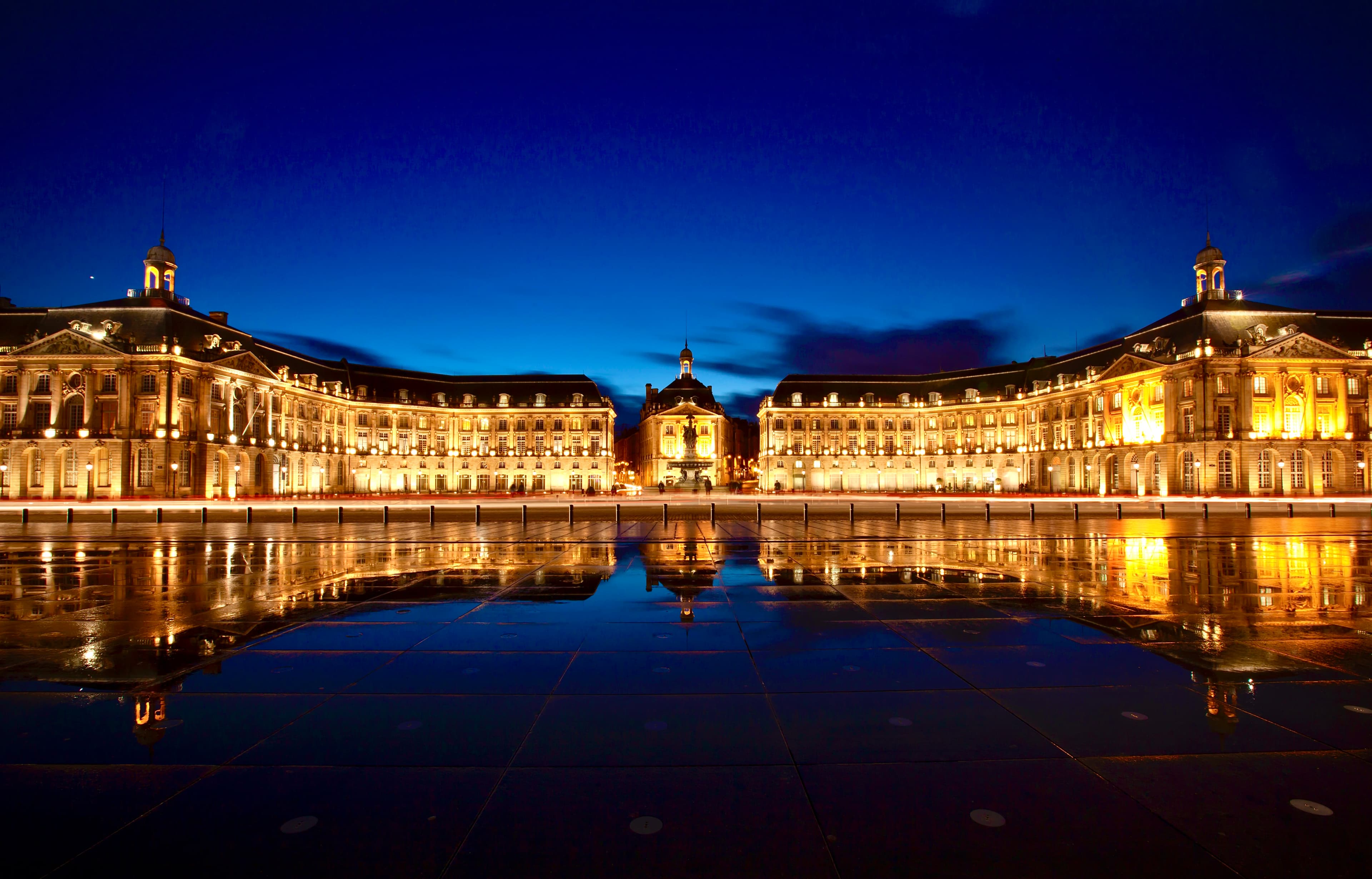
Approaching Bordeaux by ship, you enter a broad river port on the Garonne, with working quays, wide waters and the city’s elegant skyline unfolding a little inland. Nearby, visitors can head toward the historic center to see grand 18th-century streets, riverfront promenades and the refined atmosphere that makes Bordeaux feel both stately and relaxed.
Approaching Bordeaux by ship, you enter a broad river port on the Garonne, with working quays, wide waters and the city’s elegant skyline unfolding a little inland. Nearby, visitors can head toward the historic center to see grand 18th-century streets, riverfront promenades and the refined atmosphere that makes Bordeaux feel both stately and relaxed.
With its beautiful beach bay, the surrounding mountains and the extraordinary gastronomic offer, the seaside resort of San Sebastián (in Basque: Donostia) is one of the most popular towns on the Basque coast. Only a few kilometers to the east there is a more peaceful atmosphere – and this is exactly what makes Pasaias (Castilian Pasajes) so charming. In this traditional port city, small fishermen's houses are squeezed between the water and green hills on both sides of the river. The district Donibane is especially pretty: A small road leads past old stone houses with colorful wooden balconies – and to quaint bars and fish restaurants.
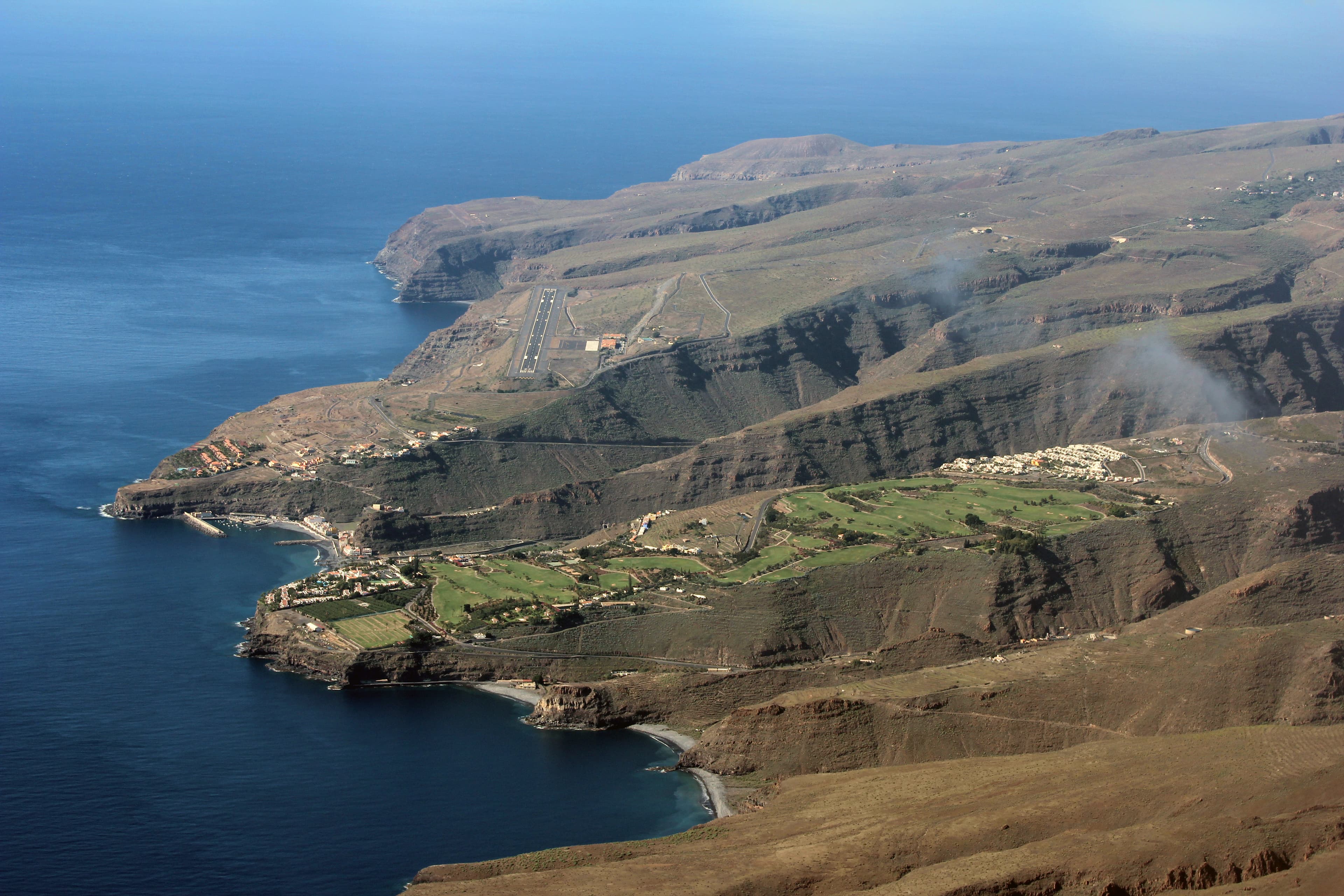
Approaching San Sebastián de La Gomera by sea, you are greeted by a compact harbour backed by steep, dry hills and the whitewashed town climbing gently above the waterfront. Nearby, visitors can enjoy a relaxed Canarian atmosphere, palm-lined squares, and broad views of the island’s rugged coast and the Atlantic.
Bilbao has always been an important port and industrial city. In 1993, Bilbao was a pilgrimage destination for lovers of modern art and avant-garde architecture. The Guggenheim Museum, with its idiosyncratic and unique design by famous architect Frank O Gehry, showcases everything that is important within its 11,000 square meters (118,403 foot). Steel used to be manufactured in Bilbao and it now plays a major role here, since other renowned architects have also been inspired to give Bilbao an attractive, distinctive look. Cross the futuristic Calatrava Bridge to reach the old town, where you can take a delightful stroll round the lanes and enjoy the art of Basque cuisine.
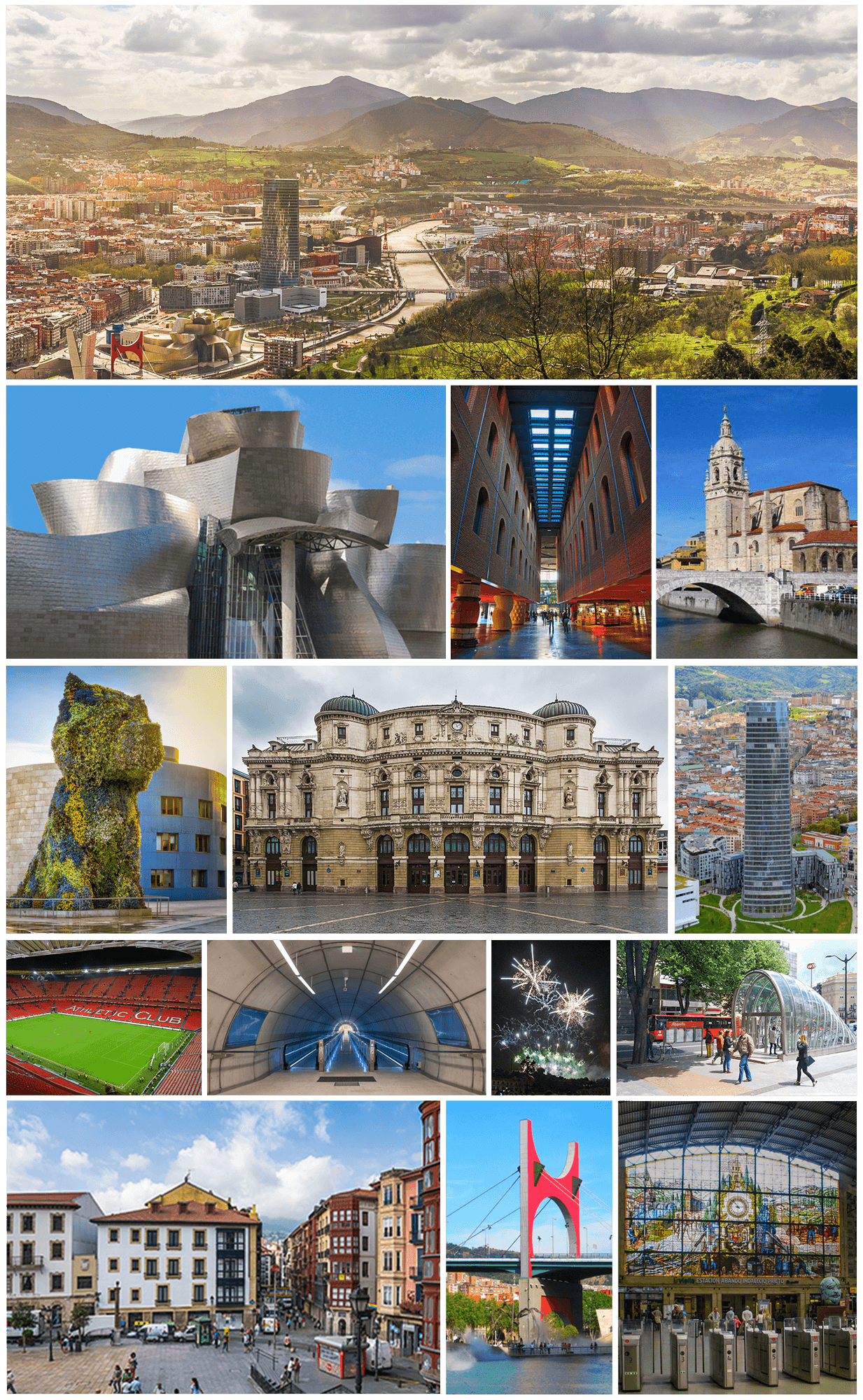
Approaching Bilbao by ship, you arrive through a busy estuary framed by green Basque hills, old docks and working waterfronts rather than a postcard quay. Nearby, the city offers striking modern architecture, riverside walks and a lively atmosphere shaped by maritime industry, culture and excellent food.
Approaching Dublin by sea, you enter a busy working port at the head of a broad bay, with the city spreading just beyond the docks and low coastal horizons all around. Nearby, visitors can head toward the River Liffey, the historic streets of the centre, and the lively pub-and-music atmosphere that gives the city its distinctive energy.
Arriving in Guernsey, you are met by a busy island harbour, stone sea walls and the compact outline of St Peter Port climbing the hillside nearby. Just beyond the quay, visitors can enjoy narrow streets, elegant old houses and wide sea views that give the island a relaxed but distinctly maritime atmosphere.
Arriving by ship near Honfleur, you reach the calm waters of the Seine estuary and a coast with a distinctly Norman character. Nearby, the old harbour, narrow streets and slate-roofed houses give the town a picturesque, intimate feel, with sea light and a relaxed maritime atmosphere.
Arriving in Lorient, you enter a working Breton harbour of docks, marinas and broad estuary views, with the sea never feeling far away. Nearby, you can explore the waterfront, ferries across the roadstead and the wider coast of Morbihan, where island light and Atlantic air give the area a practical, maritime charm.
Arriving at Le Palais, you are welcomed by a sheltered harbour framed by quays, fishing boats, and the island’s relaxed maritime rhythm. Nearby, the old citadel rises above the port, and beyond the town the coast opens into wind-shaped cliffs, beaches, and the wide Atlantic scenery that gives Belle-Île its distinctive charm.
Arriving here by ship, you are met by the broad tidal river, working waterfronts, and a landscape shaped more by navigation and estuary weather than by a compact town quay. Nearby, the banks of the Garonne offer wide views, changing light on the water, and a calm, distinctly maritime atmosphere typical of southwestern France.
Approaching Bordeaux by ship, you enter a broad river port on the Garonne, with working quays, wide waters and the city’s elegant skyline unfolding a little inland. Nearby, visitors can head toward the historic center to see grand 18th-century streets, riverfront promenades and the refined atmosphere that makes Bordeaux feel both stately and relaxed.
Approaching San Sebastián de La Gomera by sea, you are greeted by a compact harbour backed by steep, dry hills and the whitewashed town climbing gently above the waterfront. Nearby, visitors can enjoy a relaxed Canarian atmosphere, palm-lined squares, and broad views of the island’s rugged coast and the Atlantic.
Approaching Bilbao by ship, you arrive through a busy estuary framed by green Basque hills, old docks and working waterfronts rather than a postcard quay. Nearby, the city offers striking modern architecture, riverside walks and a lively atmosphere shaped by maritime industry, culture and excellent food.
 Holiday
Dubrovnik, Croatia
1 September 2026
Venice, Italy
8 September 2026
From €5,190 / person
 Holiday
Olbia, Sardinia
1 September 2026
Olbia, Sardinia
9 September 2026
From €6,190 / person
HolidayWillemstad, Curaçao
2 September 2026
Panama City,
17 February 2027
From €6,130 / person
 Training
Ipswich, UK
4 September 2026
Ipswich, UK
6 September 2026
From ~€321 / person