Authentic sailing experience
Feel the power of wind in the sails and take part in a real sea adventure – without commercial gimmicks and crowds of tourists.

Las Palmas, Gran Canaria – Las Palmas, Gran Canaria
Why choose a Tall Ship cruise?
I want to set sail →Feel the power of wind in the sails and take part in a real sea adventure – without commercial gimmicks and crowds of tourists.
Immerse yourself in a world where time flows slower, and the only sound is the rush of waves and the crack of lines.
Whether you have sailing experience or are taking your first steps on deck – you'll find a cruise tailored to your expectations and abilities.
From short Baltic cruises to multi-week transatlantic voyages. Choose a cruise that fits your rhythm and dreams.
With its black volcano almost 6,561 feet high and endless white beaches along the coastline, the island of Gran Canaria displays a huge variety of landscapes. It's a "continent in miniature" with rugged rock formations, dense pine forests, dry valleys and reservoirs inland, lush vegetation in the north, shimmering dune landscapes in the south and weirdly shaped cliffs in the west. Almost half the island has been registered by UNESCO as a Biosphere Reserve. The capital, Las Palmas, is no less colorful, with its port and history stretching back 500 years. The showpiece of this historic old town is the magnificent Santa Ana Cathedral.
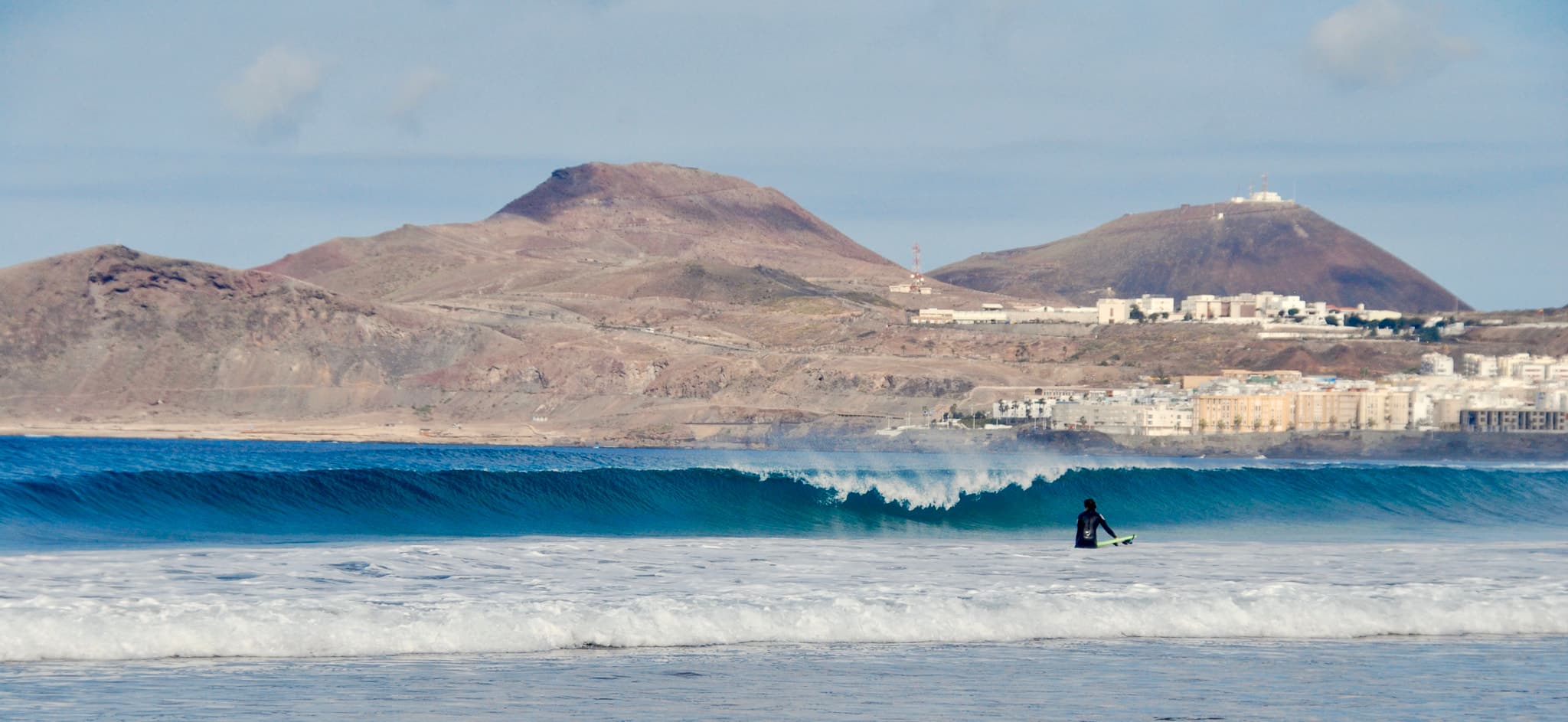
Arriving by ship in Las Palmas, you enter a broad working harbour backed by a lively Atlantic city and the dry volcanic landscapes of Gran Canaria. Nearby, visitors can head toward the long Las Canteras beach, the old quarter of Vegueta, and waterfront promenades that mix Canarian character with an easy, sunlit holiday atmosphere.
Climbing the rigging, untying ropes, setting sails – today is all about sailing. Time to lean back and relax in the deck chair and watch the passionate crew hoisting the sails by hand.
Many people consider La Gomera to be the most wildly romantic island in the Canaries. Rugged gorges, craggy hillsides, fertile valleys and evergreen cloud forests characterize the landscape. The Garajonay National Park, a UNESCO World Heritage Site, embraces the whole central mountain area and is an unusual little spot. Ancient bay trees, heather bushes as high as trees and tall ferns form a cloud forest where moss hangs from the trees and clings to gnarled branches – a truly mystical natural wonder that has existed for millions of years.
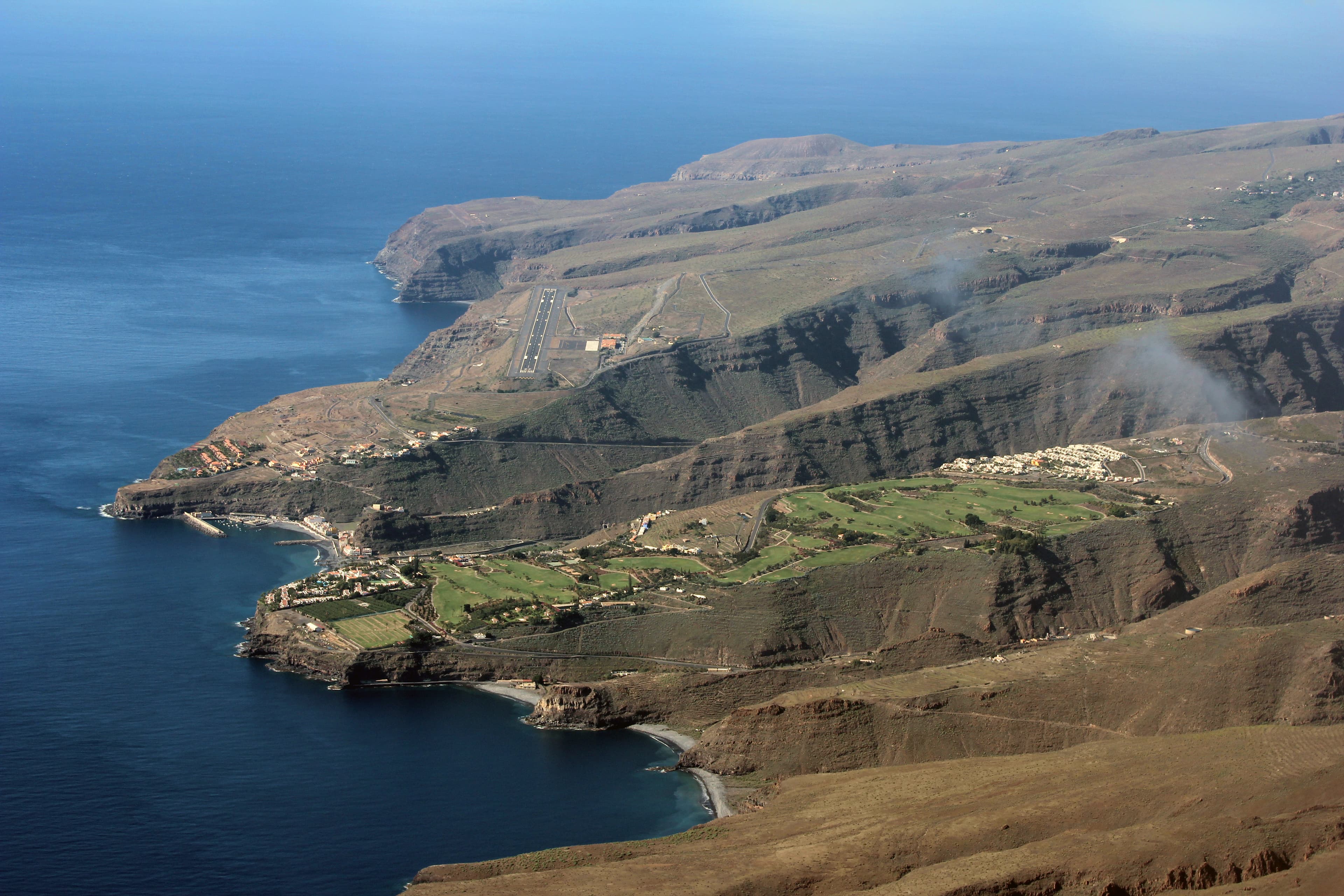
Approaching San Sebastián de La Gomera by sea, you are greeted by a compact harbour backed by steep, dry hills and the whitewashed town climbing gently above the waterfront. Nearby, visitors can enjoy a relaxed Canarian atmosphere, palm-lined squares, and broad views of the island’s rugged coast and the Atlantic.
The combination of small size and great height make the lush green volcanic island of La Palma one of the steepest islands on earth. The white houses in the island's capital shine from wooded mountain slopes and the old town center of Santa Cruz is covered by a preservation order – principally because of its Canarian houses with their artistically decorated wooden balconies. The Caldera de Taburiente towers above the north of the island. With a diameter of 5.6 miles and surrounded by crater walls more than 6,561 feet high, it is one of the world's largest volcanic craters. Behind the caldera is the cloud forest of Los Tilos. The Biosphere Reserve was extended by UNESCO to cover the whole island of La Palma.
Arriving in Santa Cruz de Tenerife, you come into a busy Atlantic harbour backed by dry volcanic hills and the spread of the island’s capital. Near the port you can head toward broad seafront avenues, city parks and modern waterfront architecture, with the dramatic slopes of Tenerife rising beyond the town.
Volcanic activity has created a wildly romantic and varied natural landscape. It's a land of black lava desert and strange rock formations with oddly shaped, wind-defying juniper trees in the south, orchards, vineyards, fig and almond groves in the north, lush green meadows and pastures in the high plateaus, and perhaps the most beautiful pine forests in the archipelago. El Hierro, the smallest and newest of the Canary Islands, is almost completely edged with steeply sloping, rugged cliffs and the spray from the surging ocean. UNESCO has designated it a Biosphere Reserve.
Puerto de la Estaca is El Hierro’s small ferry harbour, set below dark volcanic slopes and open Atlantic skies, with a quiet, remote feel as you come ashore. From the port, the island’s dramatic lava-formed coastline and steep roads climbing toward whitewashed villages are the main nearby sights, giving a strong sense of this rugged Canary Island.
Santa Cruz is the perfect starting point if you want to discover Tenerife's diverse mix of beach, nature, and avant-garde culture. The capital and port city in the northeast of the island is not only decked out with historic buildings but also features a lively art scene and spectacular modern architecture by Calatrava or Herzog, and De Meuron. Santa Cruz is also not far from other highlights in the north. For example, the lively colonial town of La Laguna, with its impressive mansions, or quaint Taganana in the Agana Landscape Park, which has retained the charm of an old mountain village.
Arriving in Santa Cruz de Tenerife, you come into a busy Atlantic harbour backed by dry volcanic hills and the spread of the island’s capital. Near the port you can head toward broad seafront avenues, city parks and modern waterfront architecture, with the dramatic slopes of Tenerife rising beyond the town.
Arriving in Santa Cruz de Tenerife, you come into a busy Atlantic harbour backed by dry volcanic hills and the spread of the island’s capital. Near the port you can head toward broad seafront avenues, city parks and modern waterfront architecture, with the dramatic slopes of Tenerife rising beyond the town.
Arriving by ship in Las Palmas, you enter a broad working harbour backed by a lively Atlantic city and the dry volcanic landscapes of Gran Canaria. Nearby, visitors can head toward the long Las Canteras beach, the old quarter of Vegueta, and waterfront promenades that mix Canarian character with an easy, sunlit holiday atmosphere.
Arriving by ship in Las Palmas, you enter a broad working harbour backed by a lively Atlantic city and the dry volcanic landscapes of Gran Canaria. Nearby, visitors can head toward the long Las Canteras beach, the old quarter of Vegueta, and waterfront promenades that mix Canarian character with an easy, sunlit holiday atmosphere.
Approaching San Sebastián de La Gomera by sea, you are greeted by a compact harbour backed by steep, dry hills and the whitewashed town climbing gently above the waterfront. Nearby, visitors can enjoy a relaxed Canarian atmosphere, palm-lined squares, and broad views of the island’s rugged coast and the Atlantic.
Arriving in Santa Cruz de Tenerife, you come into a busy Atlantic harbour backed by dry volcanic hills and the spread of the island’s capital. Near the port you can head toward broad seafront avenues, city parks and modern waterfront architecture, with the dramatic slopes of Tenerife rising beyond the town.
Puerto de la Estaca is El Hierro’s small ferry harbour, set below dark volcanic slopes and open Atlantic skies, with a quiet, remote feel as you come ashore. From the port, the island’s dramatic lava-formed coastline and steep roads climbing toward whitewashed villages are the main nearby sights, giving a strong sense of this rugged Canary Island.
 Holiday
Dubrovnik, Croatia
1 September 2026
Venice, Italy
8 September 2026
From €5,190 / person
 Holiday
Olbia, Sardinia
1 September 2026
Olbia, Sardinia
9 September 2026
From €6,190 / person
HolidayWillemstad, Curaçao
2 September 2026
Panama City,
17 February 2027
From €6,130 / person
 Training
Ipswich, UK
4 September 2026
Ipswich, UK
6 September 2026
From ~€321 / person