Authentic sailing experience
Feel the power of wind in the sails and take part in a real sea adventure – without commercial gimmicks and crowds of tourists.

Leaving the land of ice and fire, we set off into the Greenland Sund — the stretch of ocean that separates Iceland from Greenland. Often, a persistent band of fog marks the boundary between these two worlds. When it finally lifts, the first icebergs reveal themselves on the horizon, drifting silently like frozen cathedrals. Depending on the weather, we choose a sheltered spot for our first landfall.The East Coast of Greenland is wild and dramatic. It is largely uninhabited and, due to the storis (pack ice) carried south by the East Greenland Current, only accessible by boat during the short Arctic summer.The nutrient-rich waters surrounding Greenland draw sea mammals and countless seabirds. Various whale species travel here to feed on krill and plankton. Along the pack ice and shorelines roams the king of the Arctic—the polar bear—hunting seals and wandering far in search of prey.Greenland is home to the Inuit, traditionally a nomadic people who thrived by hunting seal on the ice and catching whales and birds from their elegant kayaks. In summer, families would set off to seasonal camps to hunt muskox and fish for Arctic char, making the most of the endless daylight.Along the Greenland Sund we will choose from one of many secluded anchorages tucked away in fjords and between steep coasts. The East Coast has few people; you may go days without seeing another soul. Nature, however, is abundant—vibrant, raw, and wonderfully untouched. Our next highlight is likely Ikerasassuaq, Prins Christian Sund, where mountains towering over 1500 meters rise from either side. This narrow fjord offers an inner waterway connecting East and West Greenland. If free of ice, it provides a spectacular inshore passage into Viking country on the West Coast.While the Thule Inuit began settling in the northwest, Norse explorers from Iceland colonized the southwest. Their brief presence in Greenland has puzzled historians for centuries. One early sighting of Greenland came by chance, when a ship commanded by Gunnbjörn Ulfsson was blown off course around AD 930 and glimpsed the skerries near modern-day Tasiilaq. It wasn’t until AD 982 that Erik the Red made a successful landing on Greenland’s southwest shore.Driven from Iceland after a blood feud, he sought a new home. Brattahlid (modern Qassiarsuk), at the head of a fjord, became the site of the first Viking longhouse. On returning to Iceland, Erik spoke of Greenland with such optimism that he succeeded in convincing new settlers to follow him—one of the greatest sales pitches of all time. Those who arrived soon discovered the land was less green than promised, yet farms soon dotted the fjords. This region became known as the Eastern Settlement; later settlers behind Nuuk formed the Western Settlement. The last contact with the Norse colonies came from an Icelander who attended a wedding at Hvalsey.
Leaving the land of ice and fire, we set off into the Greenland Sund — the stretch of ocean that separates Iceland from Greenland. Often, a persistent band of fog marks the boundary between these two worlds. When it finally lifts, the first icebergs reveal themselves on the horizon, drifting silently like frozen cathedrals. Depending on the weather, we choose a sheltered spot for our first landfall.The East Coast of Greenland is wild and dramatic. It is largely uninhabited and, due to the storis (pack ice) carried south by the East Greenland Current, only accessible by boat during the short Arctic summer.The nutrient-rich waters surrounding Greenland draw sea mammals and countless seabirds. Various whale species travel here to feed on krill and plankton. Along the pack ice and shorelines roams the king of the Arctic—the polar bear—hunting seals and wandering far in search of prey.Greenland is home to the Inuit, traditionally a nomadic people who thrived by hunting seal on the ice and catching whales and birds from their elegant kayaks. In summer, families would set off to seasonal camps to hunt muskox and fish for Arctic char, making the most of the endless daylight.Along the Greenland Sund we will choose from one of many secluded anchorages tucked away in fjords and between steep coasts. The East Coast has few people; you may go days without seeing another soul. Nature, however, is abundant—vibrant, raw, and wonderfully untouched. Our next highlight is likely Ikerasassuaq, Prins Christian Sund, where mountains towering over 1500 meters rise from either side. This narrow fjord offers an inner waterway connecting East and West Greenland. If free of ice, it provides a spectacular inshore passage into Viking country on the West Coast.While the Thule Inuit began settling in the northwest, Norse explorers from Iceland colonized the southwest. Their brief presence in Greenland has puzzled historians for centuries. One early sighting of Greenland came by chance, when a ship commanded by Gunnbjörn Ulfsson was blown off course around AD 930 and glimpsed the skerries near modern-day Tasiilaq. It wasn’t until AD 982 that Erik the Red made a successful landing on Greenland’s southwest shore.Driven from Iceland after a blood feud, he sought a new home. Brattahlid (modern Qassiarsuk), at the head of a fjord, became the site of the first Viking longhouse. On returning to Iceland, Erik spoke of Greenland with such optimism that he succeeded in convincing new settlers to follow him—one of the greatest sales pitches of all time. Those who arrived soon discovered the land was less green than promised, yet farms soon dotted the fjords. This region became known as the Eastern Settlement; later settlers behind Nuuk formed the Western Settlement. The last contact with the Norse colonies came from an Icelander who attended a wedding at Hvalsey.
Reykjavik - Nuuk
Why choose a Tall Ship cruise?
I want to set sail →Feel the power of wind in the sails and take part in a real sea adventure – without commercial gimmicks and crowds of tourists.
Immerse yourself in a world where time flows slower, and the only sound is the rush of waves and the crack of lines.
Whether you have sailing experience or are taking your first steps on deck – you'll find a cruise tailored to your expectations and abilities.
From short Baltic cruises to multi-week transatlantic voyages. Choose a cruise that fits your rhythm and dreams.
First evening will be spend with introductions, to the crew, the expedition members and to safety on board.
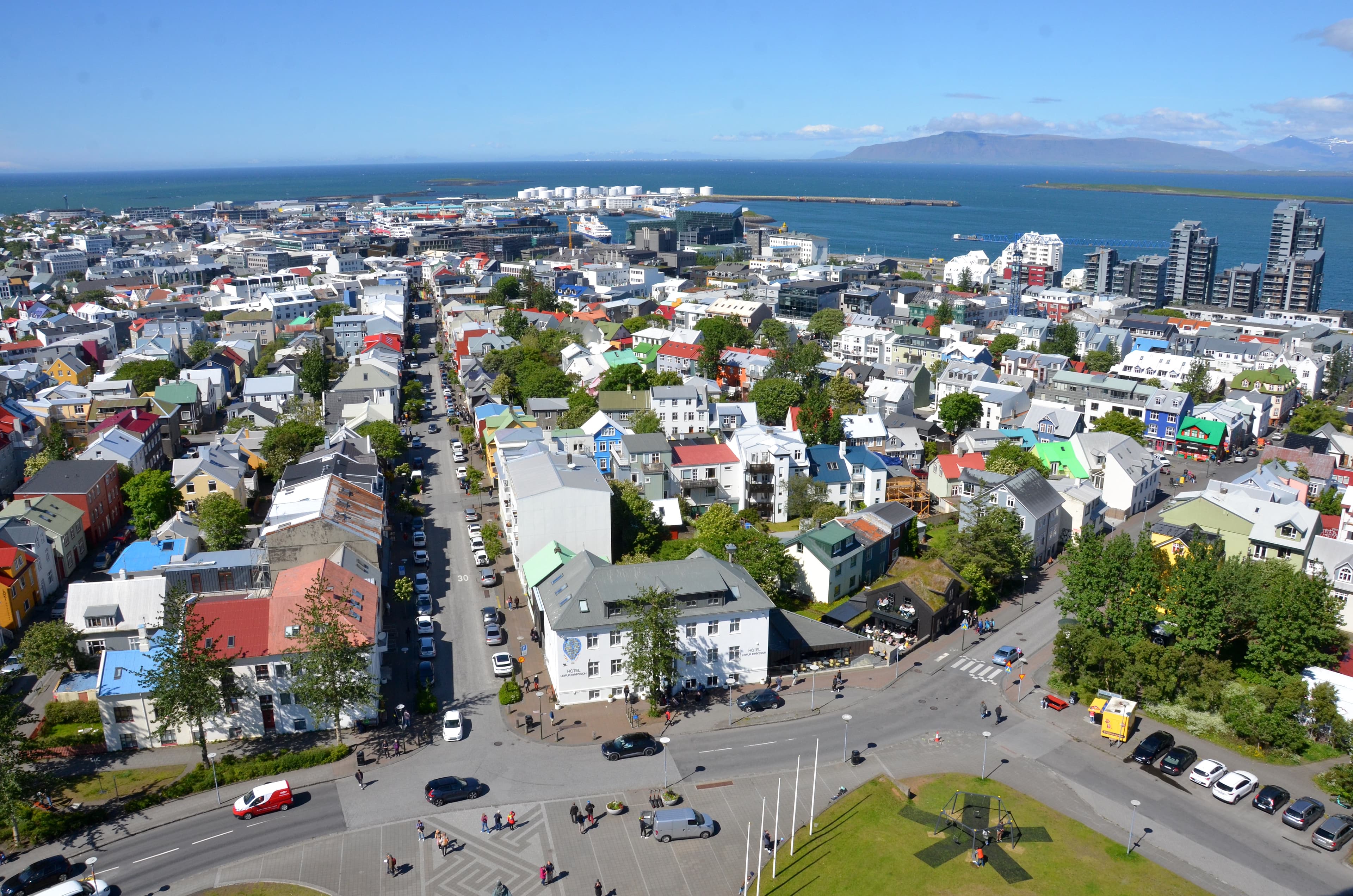
Approaching Reykjavik by sea, you are greeted by a wide bay framed by low mountains, working harbour quays and the stark, open light that gives the Icelandic coast its distinctive mood. From the port, the city lies nearby with colourful rooftops and modern landmarks to explore, while beyond it the volcanic landscape and North Atlantic horizon set a calm, windswept atmosphere.
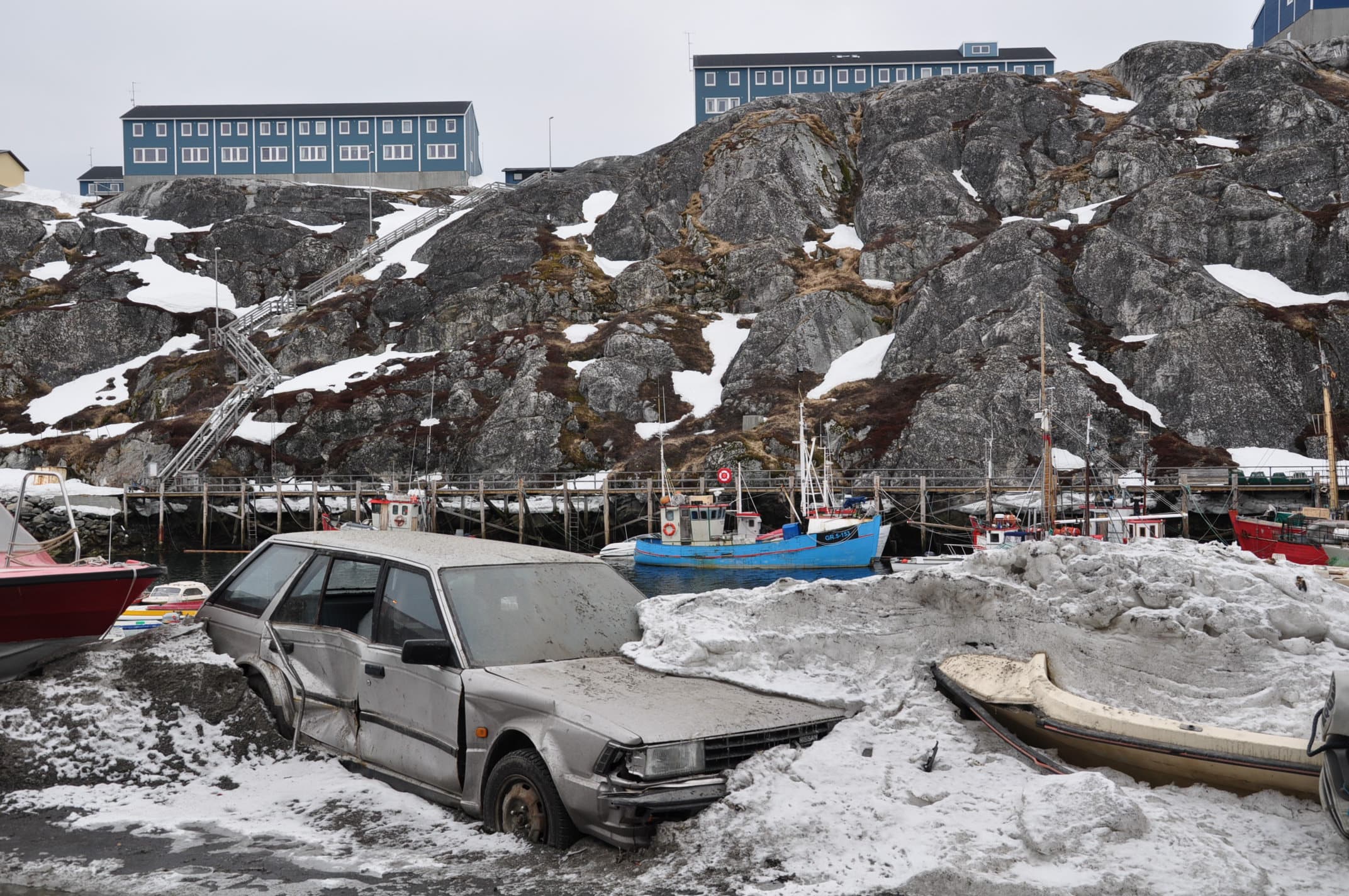
Arriving in Nuuk by sea, you are met by a dramatic Arctic setting of dark hills, scattered houses, and a harbour edged by cold, clear water. Nearby, visitors can look toward the town’s colorful neighbourhoods and the wide fjord landscape that gives Greenland’s capital its remote, windswept atmosphere.
Approaching Reykjavik by sea, you are greeted by a wide bay framed by low mountains, working harbour quays and the stark, open light that gives the Icelandic coast its distinctive mood. From the port, the city lies nearby with colourful rooftops and modern landmarks to explore, while beyond it the volcanic landscape and North Atlantic horizon set a calm, windswept atmosphere.
Arriving in Nuuk by sea, you are met by a dramatic Arctic setting of dark hills, scattered houses, and a harbour edged by cold, clear water. Nearby, visitors can look toward the town’s colorful neighbourhoods and the wide fjord landscape that gives Greenland’s capital its remote, windswept atmosphere.
 Holiday
Venice, Italy
30 August 2026
Dubrovnik, Croatia
9 June 2027
From €5,190 / person
Learn more about Venice – Dubrovnik · 30 August 2026 – 9 June 2027 Training
Kopenhaga,
30 August 2026
Puck,
–
From ~€346 / person
Learn more about Kopenhaga – Puck · 30 August 2026 Holiday
Civitavecchia,
31 August 2026
Civitavecchia,
5 September 2026
From ~€892 / person
Learn more about Round trip from Civitavecchia · 31 August – 5 September 2026 Training
Cork, Ireland
31 August 2026
Cork, Ireland
4 September 2026
From ~€350 / person
Learn more about Round trip from Cork · 31 August – 4 September 2026