Authentic sailing experience
Feel the power of wind in the sails and take part in a real sea adventure – without commercial gimmicks and crowds of tourists.

A southern ideaFor centuries, the far south existed mainly as an idea. A counterweight to the known world. Later it appeared on maps as Terra Australis—a coastline imagined long before it was seen. When the Antarctic continent was finally sighted in the early 19th century, it revealed little of itself. Ice, distance, and weather still define it.When we set sailThis voyage begins and ends in Port Stanley, Falkland Islands. Before turning south, we spend time along these exposed coasts. The islands hold a quiet abundance: penguins moving between shore and sea, albatross riding the wind without effort, seals resting in the kelp.It is a place to adjust—to the rhythm of the vessel and the scale of the landscape.From the Falklands, we sail into open water. The Drake Passage lies ahead—five to six days of crossing, shaped entirely by wind and sea.Life on board settles into a steady routine of watches, meals, and observation. Birds follow in widening arcs behind the stern. The air sharpens, the water darkens, and gradually the boundary of the Antarctic Convergence is crossed.First ice and going on shoreLandfall is made in the north of the Antarctic Peninsula or among the South Shetland Islands. From here, plans loosen.Ice charts, weather systems, and local conditions determine our movement. We work our way through channels and along coastlines—sometimes under sail, sometimes waiting, always adjusting.Where conditions allow, we go ashore. Landings are unhurried and small in scale—time to walk, to observe, to be still.Penguin colonies, glacier fronts, and remnants of earlier expeditions mark the landscape, but it is the space itself that defines the experience. Sound carries differently here. Distances are difficult to judge. The environment sets the terms.Setting sail North againAfter ten to twelve days in Antarctic waters, we begin the return passage north. The Drake is crossed again, as it is found.The rhythm of the ship resumes, familiar now.We arrive back in Port Stanley and secure the vessel. The expedition ends where it began.We operate in accordance with IAATO guidelines, with a focus on safe and low-impact travel in a remote environment. This remains a working expedition. Decisions are made on the water, and the voyage is shaped by what is encountered along the way.
A southern ideaFor centuries, the far south existed mainly as an idea. A counterweight to the known world. Later it appeared on maps as Terra Australis—a coastline imagined long before it was seen. When the Antarctic continent was finally sighted in the early 19th century, it revealed little of itself. Ice, distance, and weather still define it.When we set sailThis voyage begins and ends in Port Stanley, Falkland Islands. Before turning south, we spend time along these exposed coasts. The islands hold a quiet abundance: penguins moving between shore and sea, albatross riding the wind without effort, seals resting in the kelp.It is a place to adjust—to the rhythm of the vessel and the scale of the landscape.From the Falklands, we sail into open water. The Drake Passage lies ahead—five to six days of crossing, shaped entirely by wind and sea.Life on board settles into a steady routine of watches, meals, and observation. Birds follow in widening arcs behind the stern. The air sharpens, the water darkens, and gradually the boundary of the Antarctic Convergence is crossed.First ice and going on shoreLandfall is made in the north of the Antarctic Peninsula or among the South Shetland Islands. From here, plans loosen.Ice charts, weather systems, and local conditions determine our movement. We work our way through channels and along coastlines—sometimes under sail, sometimes waiting, always adjusting.Where conditions allow, we go ashore. Landings are unhurried and small in scale—time to walk, to observe, to be still.Penguin colonies, glacier fronts, and remnants of earlier expeditions mark the landscape, but it is the space itself that defines the experience. Sound carries differently here. Distances are difficult to judge. The environment sets the terms.Setting sail North againAfter ten to twelve days in Antarctic waters, we begin the return passage north. The Drake is crossed again, as it is found.The rhythm of the ship resumes, familiar now.We arrive back in Port Stanley and secure the vessel. The expedition ends where it began.We operate in accordance with IAATO guidelines, with a focus on safe and low-impact travel in a remote environment. This remains a working expedition. Decisions are made on the water, and the voyage is shaped by what is encountered along the way.
Falkland Islands - Antarctica- Falkland Islands
Why choose a Tall Ship cruise?
I want to set sail →Feel the power of wind in the sails and take part in a real sea adventure – without commercial gimmicks and crowds of tourists.
Immerse yourself in a world where time flows slower, and the only sound is the rush of waves and the crack of lines.
Whether you have sailing experience or are taking your first steps on deck – you'll find a cruise tailored to your expectations and abilities.
From short Baltic cruises to multi-week transatlantic voyages. Choose a cruise that fits your rhythm and dreams.
Depending on conditions, we may make a landing on one of the outer islands such as Saunders, Pebble, or Bleaker Island. Wildlife is abundant, with penguins, albatross, and marine mammals present throughout the area. These days allow the expedition to settle into the rhythm of the vessel before heading south.
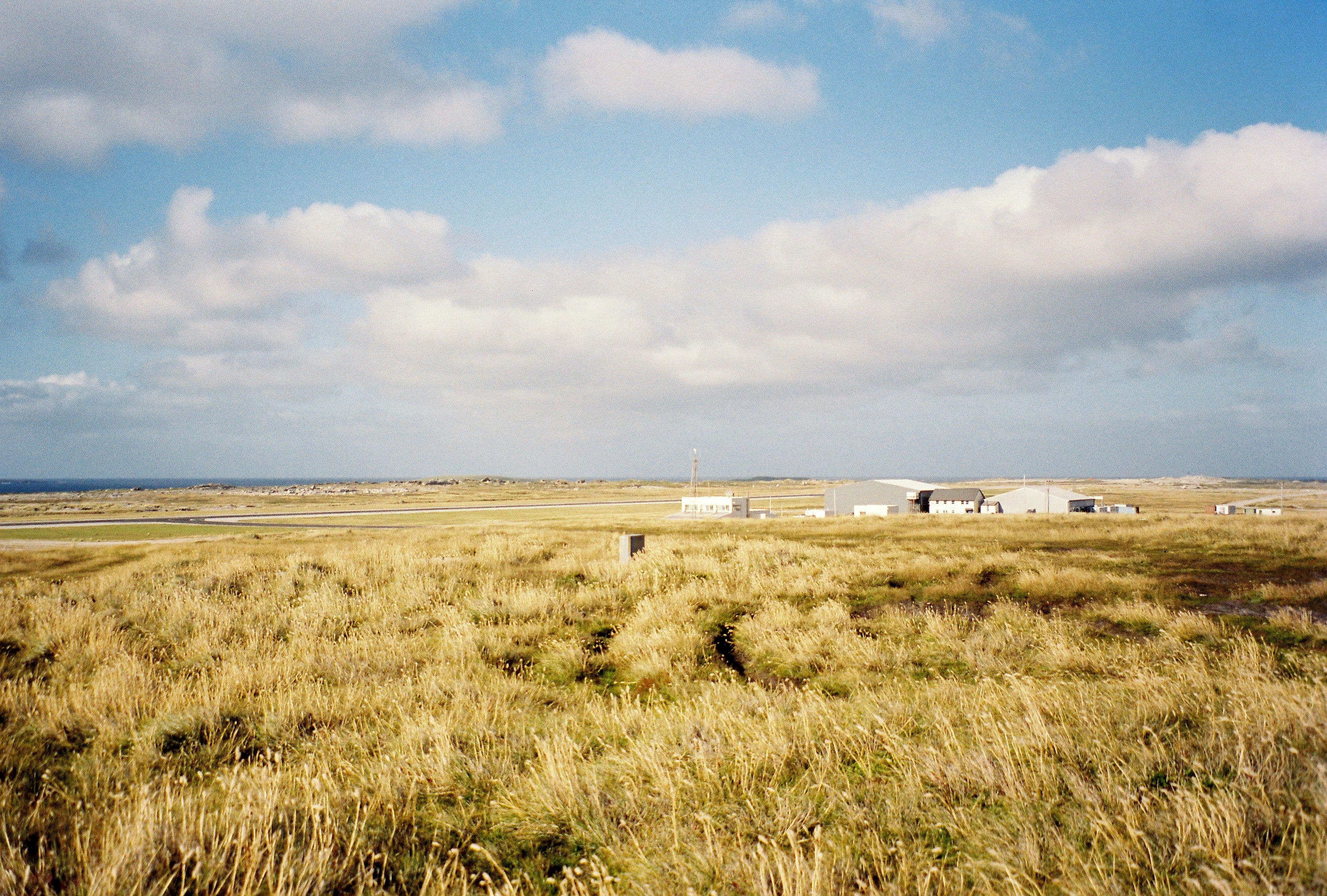
Arriving at Port Stanley, you are met by a small, sheltered harbour edged by low hills, colourful houses and the wide, windswept landscapes that give the Falklands their distinctive character. Nearby, the town offers a quiet, remote atmosphere with reminders of maritime life and easy views across the bay and open coast.
The crossing typically takes five to six days (but can be done in 4), shaped entirely by wind and sea conditions. Life on board falls into a steady routine of watchkeeping, sail handling, and observation. Seabirds accompany the vessel, and the Antarctic Convergence marks the transition into colder waters.
Conditions again determine timing and route, and additional days are reserved here to allow for weather systems that may delay progress. The rhythm on board is established, and the focus shifts back to sailing and the open ocean. We arrive in Port Stanley, where the vessel is secured and the expedition concludes. This remains a working expedition. Decisions are made on the water, and no fixed route can be guaranteed. The experience is shaped by wind, weather, and ice.
Arriving at Port Stanley, you are met by a small, sheltered harbour edged by low hills, colourful houses and the wide, windswept landscapes that give the Falklands their distinctive character. Nearby, the town offers a quiet, remote atmosphere with reminders of maritime life and easy views across the bay and open coast.
Arriving at Port Stanley, you are met by a small, sheltered harbour edged by low hills, colourful houses and the wide, windswept landscapes that give the Falklands their distinctive character. Nearby, the town offers a quiet, remote atmosphere with reminders of maritime life and easy views across the bay and open coast.
 Holiday
Venice, Italy
30 August 2026
Dubrovnik, Croatia
9 June 2027
From €5,190 / person
Learn more about Venice – Dubrovnik · 30 August 2026 – 9 June 2027 Training
Kopenhaga,
30 August 2026
Puck,
–
From ~€346 / person
Learn more about Kopenhaga – Puck · 30 August 2026 Holiday
Civitavecchia,
31 August 2026
Civitavecchia,
5 September 2026
From ~€892 / person
Learn more about Round trip from Civitavecchia · 31 August – 5 September 2026 Training
Cork, Ireland
31 August 2026
Cork, Ireland
4 September 2026
From ~€350 / person
Learn more about Round trip from Cork · 31 August – 4 September 2026