Authentic sailing experience
Feel the power of wind in the sails and take part in a real sea adventure – without commercial gimmicks and crowds of tourists.

Willemstad, Curaçao – San José (Puntarenas), Costa Rica
Why choose a Tall Ship cruise?
I want to set sail →Feel the power of wind in the sails and take part in a real sea adventure – without commercial gimmicks and crowds of tourists.
Immerse yourself in a world where time flows slower, and the only sound is the rush of waves and the crack of lines.
Whether you have sailing experience or are taking your first steps on deck – you'll find a cruise tailored to your expectations and abilities.
From short Baltic cruises to multi-week transatlantic voyages. Choose a cruise that fits your rhythm and dreams.
Curaçao, alphabetically the last of the ABC, is the largest in the Netherlands Antilles in terms of land area. The neat capital, Willemstad, a trading post for the Dutch West India Company in the 17th century, with its well preserved colonial architecture, is a UNESCO World Heritage Site. The picturesque location of the wide harbor canal, boulevards with beautifully restored facades and colorful, typically Dutch gabled houses make Willemstad a lively "Little Amsterdam". Take in the wonder of the bright Caribbean light, beneath palm trees, with azure bays and pearl-white beaches.
Arriving in Willemstad, you are greeted by a bright Caribbean harbour lined with colourful Dutch-colonial facades and a lively waterfront atmosphere. From the port, the historic districts and the entrance to St. Anna Bay are nearby highlights, with pastel streets, boats, and warm island light giving the city an easy, tropical charm.
Climbing the rigging, untying ropes, setting sails – today is all about sailing. Time to lean back and relax in the deck chair and watch the passionate crew hoisting the sails by hand.
Cartagena was once the richest city in the New World and a popular target for pirate attacks, since a large part of the Spanish treasure was stored there. Sir Francis Drake also instilled terror into the Spanish city. After Drake's invasion, the city was fortified with a 7 mile-long rampart and the immense San Felipe Fort. Today Cartagena is one of the most beautiful colonial cities on the American continent and is protected by UNESCO as a World Heritage Site.
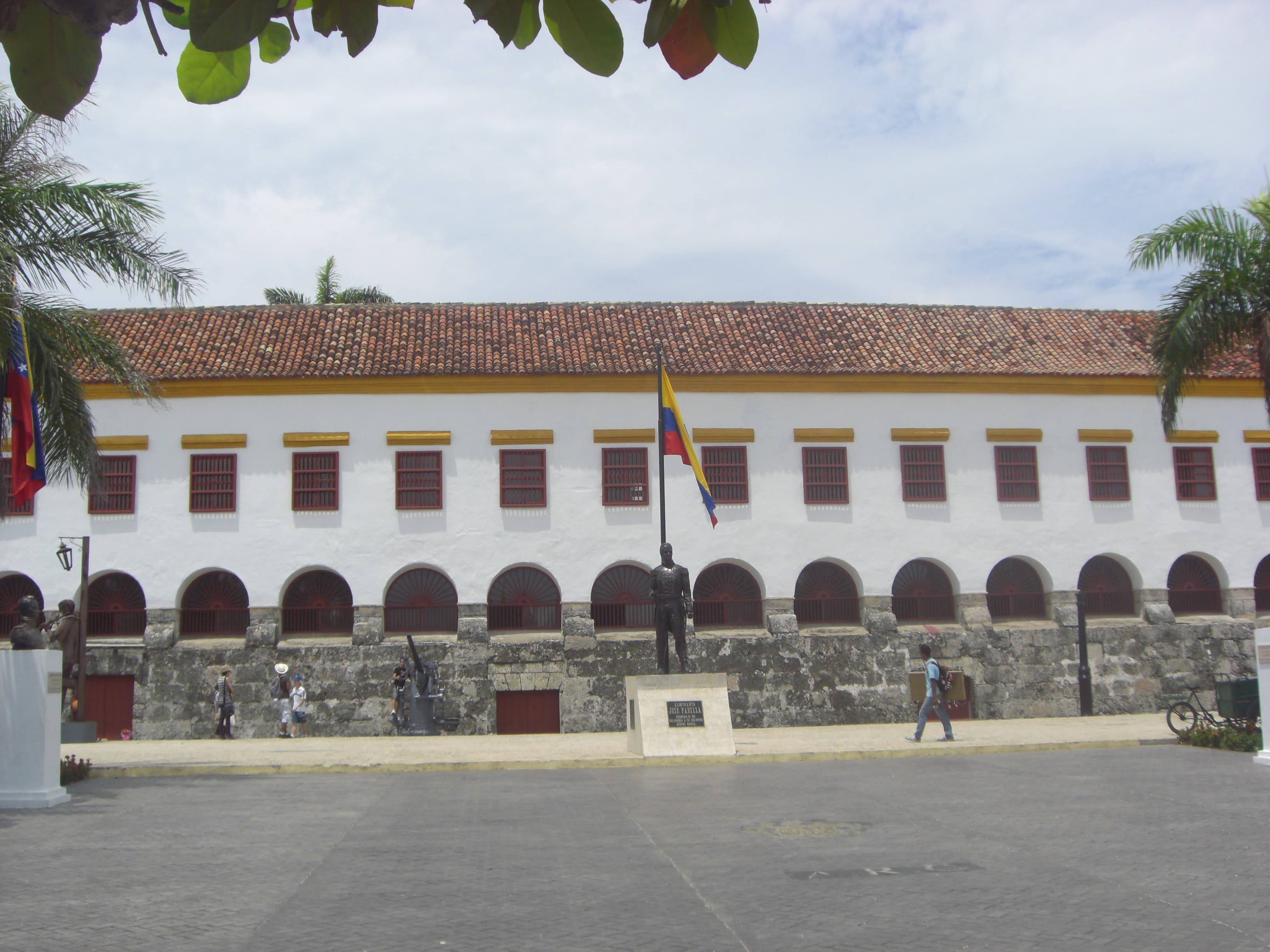
Arriving by sea, Cartagena greets you with a broad Caribbean bay, busy harbour traffic, and the warm, tropical feel of Colombia’s coast. From the port area, the historic walled city and colourful old neighbourhoods are the nearby highlights to explore, with sea views, colonial streets, and a lively atmosphere waiting beyond the docks.
Arriving by sea, Cartagena greets you with a broad Caribbean bay, busy harbour traffic, and the warm, tropical feel of Colombia’s coast. From the port area, the historic walled city and colourful old neighbourhoods are the nearby highlights to explore, with sea views, colonial streets, and a lively atmosphere waiting beyond the docks.
The idea of connecting the Atlantic and Pacific at the narrowest part of Central America had been around for many hundreds of years, but from a technical perspective this tremendous achievement only became possible much later. The French took on the project in 1881, after the successful opening of the Suez Canal in Egypt in 1869. But it would be more than 30 years before the canal was finally completed in 1914. This masterpiece of technology is just under 50 miles long, has 12 lock basins and negotiates a difference in altitude of 85 feet. The Panama Canal is one of the world's most important waterways and most spectacular ship canals.
A monument on the seafront commemorates the man who gave the city its name. In 1513, Spanish conquistador Vasco Núñez de Balboa arrived here, becoming the first European to reach the Pacific Ocean over land. Nowadays, the Puente de las Américas, an enormous arched bridge carrying the Panamericana road, spans the Pacific entrance to the Panama Canal in Balboa connecting North and South America. East of the canal, breathtaking skyscrapers tower above Panama City, whose glitzy boomtown ambiance contrasts starkly with the lovingly restored Casco Viejo. Balboa’s old town dates back to the colonial era, and the ruins of Panama Viejo are listed as a UNESCO World Heritage Site.
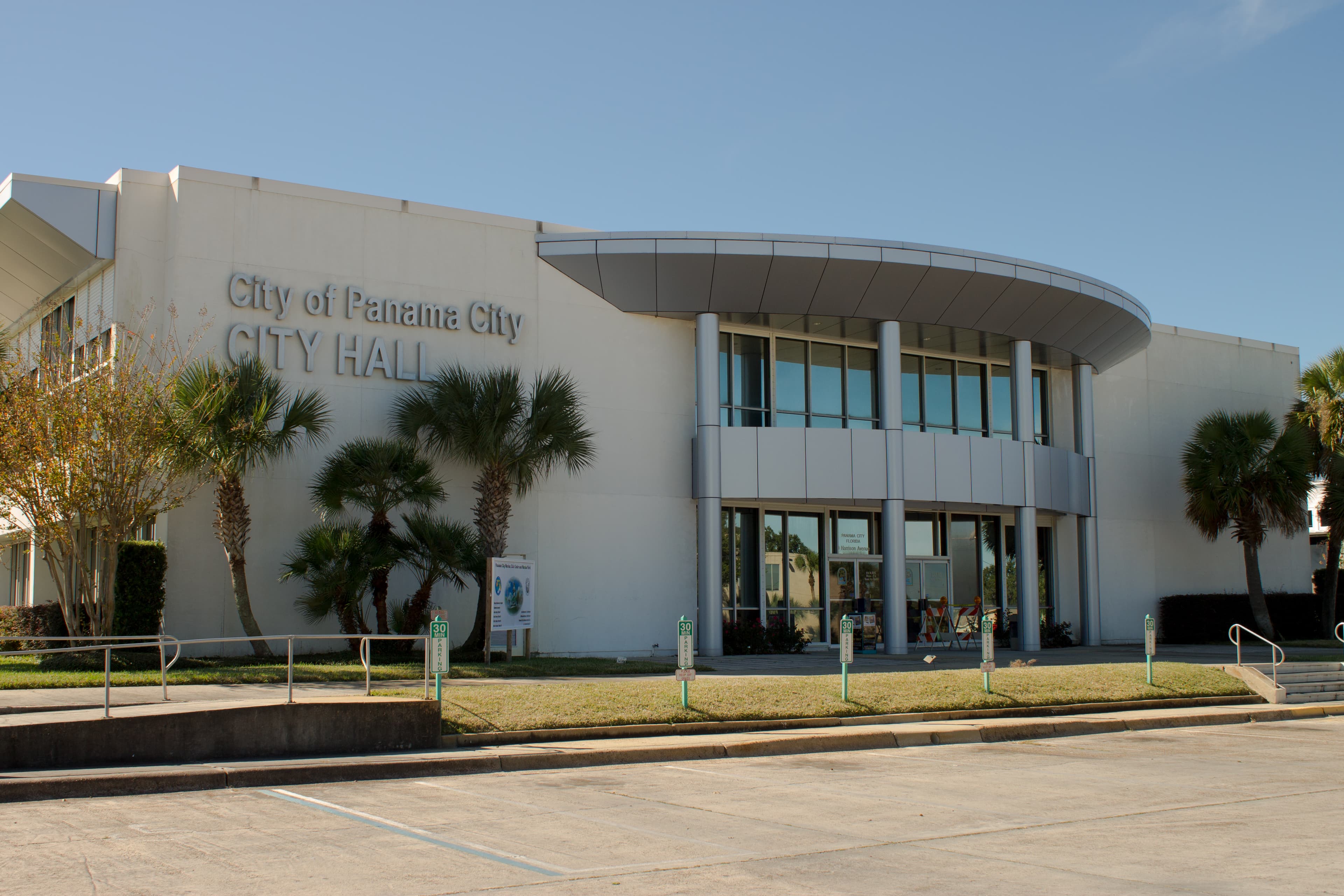
Arriving by ship, Panama City feels like a meeting point of working harbour, tropical coastline, and a modern skyline rising beyond the bay. Nearby, visitors can look out for views toward the Pacific entrance of the Panama Canal and, a little farther on, the city’s historic quarter and waterfront areas.
Arriving by ship, Panama City feels like a meeting point of working harbour, tropical coastline, and a modern skyline rising beyond the bay. Nearby, visitors can look out for views toward the Pacific entrance of the Panama Canal and, a little farther on, the city’s historic quarter and waterfront areas.
Arriving by ship, Panama City feels like a meeting point of working harbour, tropical coastline, and a modern skyline rising beyond the bay. Nearby, visitors can look out for views toward the Pacific entrance of the Panama Canal and, a little farther on, the city’s historic quarter and waterfront areas.
The name of this Pacific archipelago in the Gulf of Panama pre-dates the Spanish conquest to a time when its inhabitants were pearl fishermen and traded in beautiful oyster pearls. Where in previous centuries, pirates and buccaneers hid out and buried their loot, other treasures can now be found. Over 200 pearl islands, of which even the smallest are inhabited, form an almost undisturbed paradise with a diverse range of lakes and rivers, enchanting white coral beaches, golden sandy beaches and black volcanic beaches, rounded off with lush green tropical vegetation. The island of Contadora has special significance as the place where U.S. President Jimmy Carter signed the Panama Canal Treaty in 1977, ceding sovereign rights over the Panama Canal to the Republic of Panama.
Approaching the Pearl Islands by sea, you are greeted by a scattered archipelago of green, low-lying islands, bright water, and a relaxed tropical atmosphere far removed from the mainland. From the anchorage or small port area, the appeal lies in the nearby beaches, quiet coves, and the sense of remoteness that defines this Pacific corner of Panama.
Nestled comfortably in a sheltered bay, Golfito hides behind the Osa Peninsula from the open waters of the Pacific Ocean. Less than a hundred years ago, the town located near the border to Panama was a center of banana cultivation with one of the largest ports in southern Costa Rica. But after only two decades, the yellow business was over again – and so today, visitors to Golfito can devote themselves entirely to the natural beauty of the area. In the Piedras Blancas Jungle Park, the high humidity ensures lush greenery and provides a home for coatis, jaguars, and colorful tropical birds.
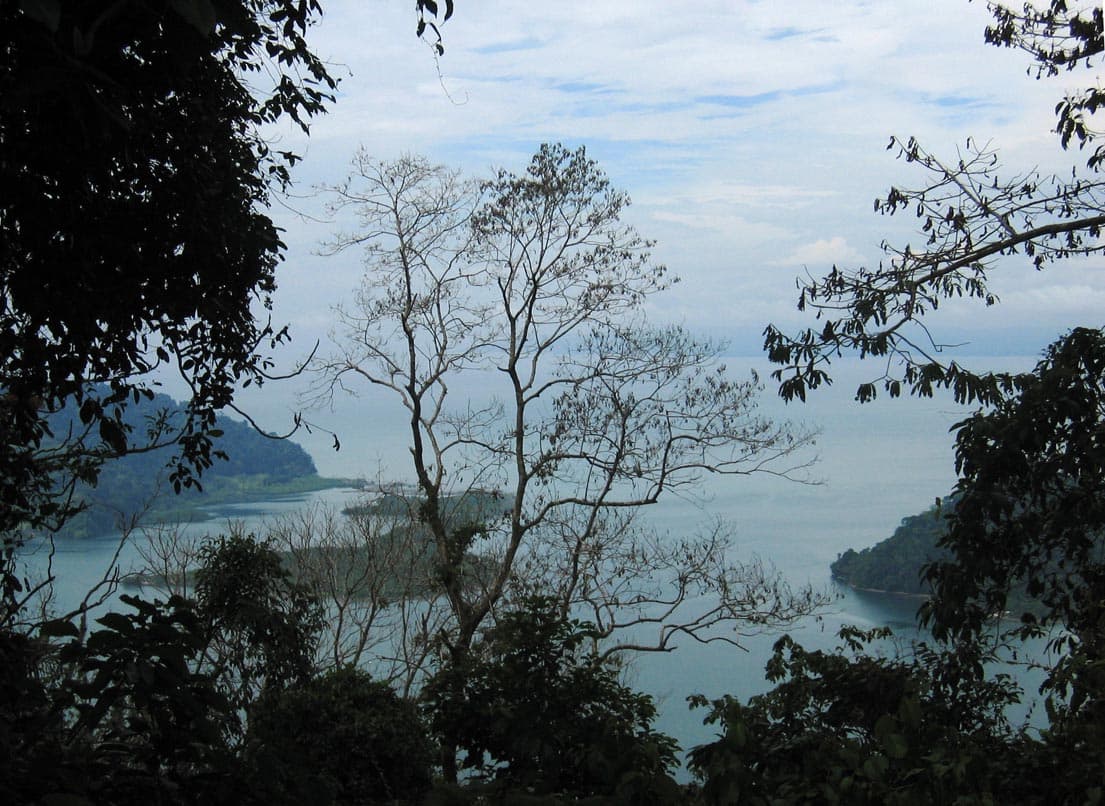
Set on the sheltered Golfo Dulce, Golfito feels quiet, green, and distinctly tropical, with forested hills rising close behind the harbour. From the port, the main impression is of calm water and rainforest-covered slopes; nearby, visitors can look toward the town’s waterfront and the lush southern Pacific coast of Costa Rica.
Deep in the Pacific South of Costa Rica lies the small town of Puerto Jiménez on the diverse Osa Peninsula. As the area is almost entirely covered by pristine rainforest, it's a dream destination for nature enthusiasts, and you won't find hordes of tourists here. Life in this 1,700-resident town is tranquil: in the mid-20th century, loggers and gold prospectors briefly brought a boom to Puerto Jiménez, but calm returned thereafter. Today, visitors can fully immerse themselves in the natural beauty of the surroundings. In the Piedras Blancas Rainforest Park, the high humidity creates lush greenery – providing a home for coatis, jaguars, and vibrant tropical birds.
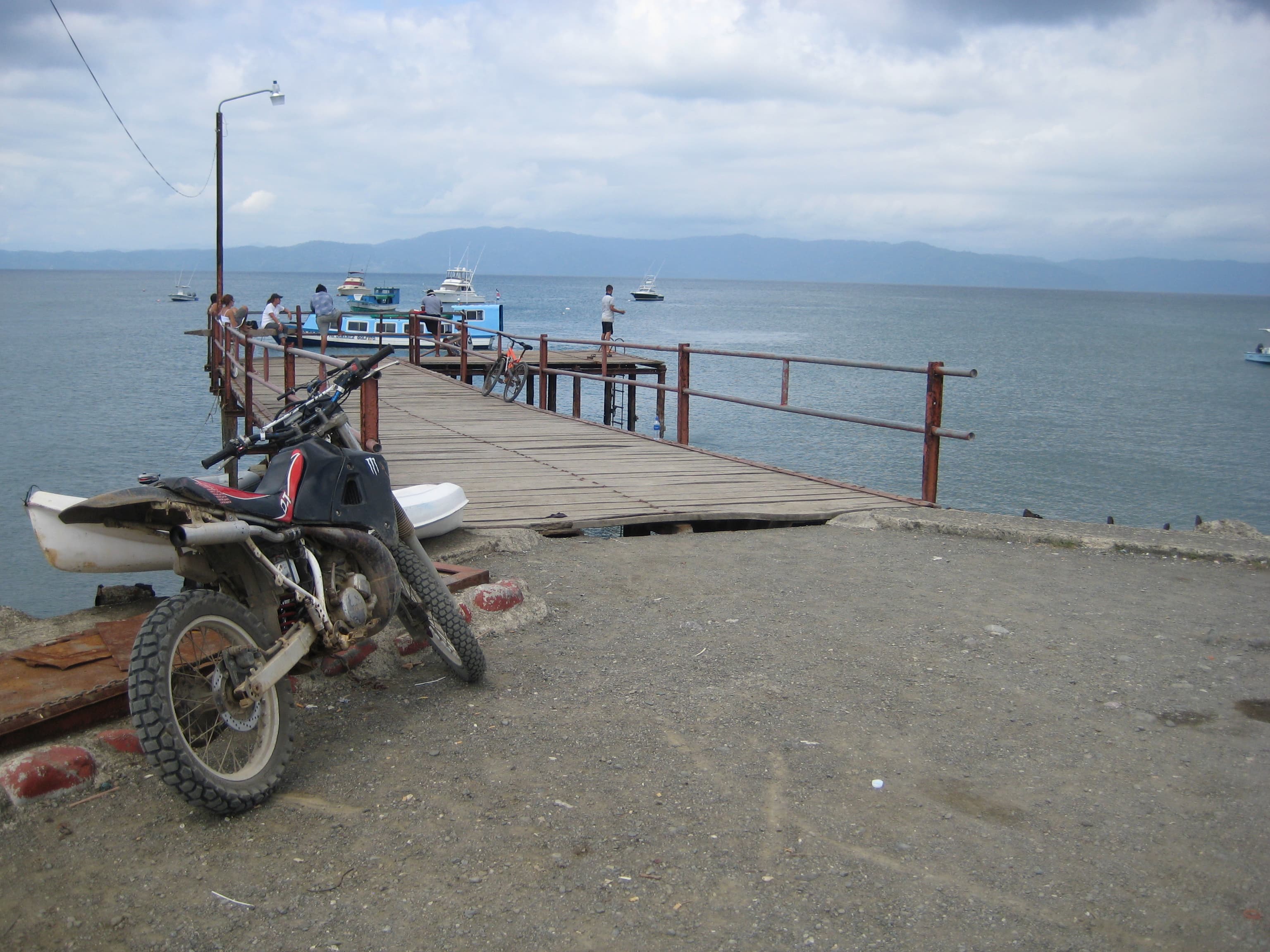
Puerto Jiménez feels like a relaxed gateway to Costa Rica’s remote southern Pacific, with a small-town waterfront, green hills, and a humid tropical atmosphere. From the port area, nearby you can look toward the sheltered waters of the Golfo Dulce and the lush rainforest landscapes that make this coast feel wild and adventurous.
Quepos was a lively little port at the time of booming banana exports. Today it is a gateway to the Manuel Antonio National Park, which lies to the south. The park covers an area of just 2 1/2 square miles and is one of the most diverse rainforests in Costa Rica. Paths lead you from the beautiful sandy beach straight to the heart of this untamed green kingdom. More than 1,000 varieties of plant and prolific wildlife, including whole herds of inquisitive apes, sloths, coatis, raccoons, iguanas, birds, and unique colorful butterflies have made this place their home.
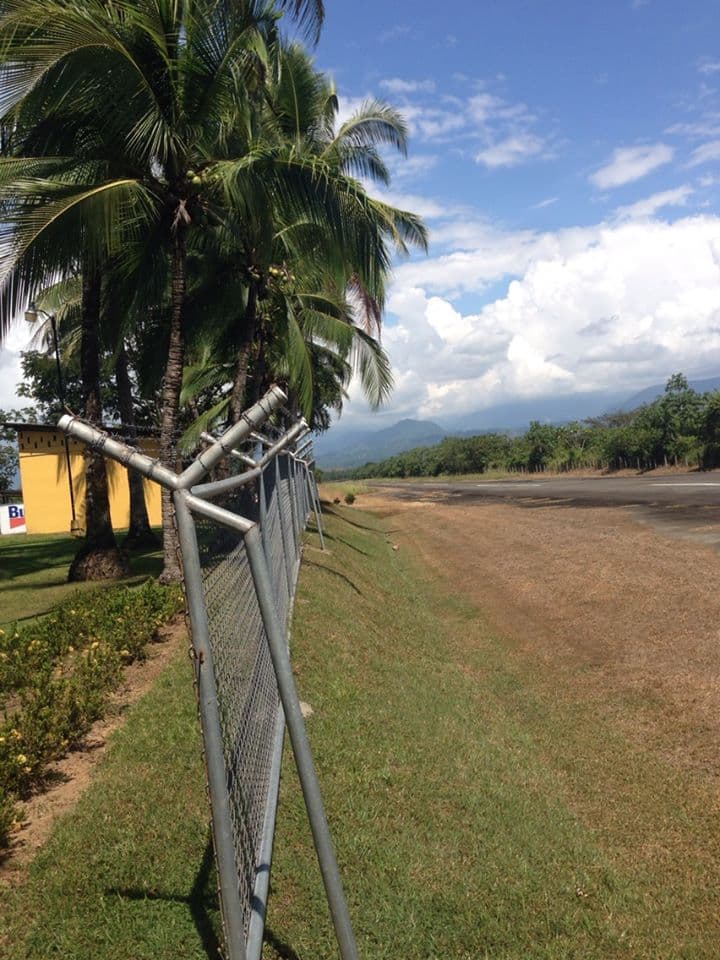
Quepos has the feel of a working Pacific harbour edged by green hills, fishing boats and humid tropical air. From the port, the town and nearby coast offer easy glimpses of Costa Rica’s lush shoreline, with beaches, forested slopes and a relaxed seaside atmosphere close at hand.
As still as a lake, the sea lies under the tropical sun: thanks to its sheltered location in a tree-lined bay, Playa Panama is considered the most relaxing and tranquil beach on the Guanacaste coast – the perfect place to unwind. The Palo Verde National Park stretches along one bank of the Rio Tempisque. It features the densest population of water fowl in the whole of Costa Rica and is one of the best areas for bird watching in Central America – almost 300 species of bird have been identified here. The best vantage point to see them is on a boat trip through the mangroves.
Arriving at Playa Panamá, you are greeted by a calm bay, pale sand, and the warm, dry landscape typical of Costa Rica’s Gulf of Papagayo. The mood is relaxed and resort-like, with quiet beaches and low green hills nearby rather than a busy urban waterfront.
Pura vida! Protected by the Nicoya Peninsula with its beautiful nature parks, Puntarenas is located on a narrow headland that extends into the Gulf of Nicoya. To the right and left of the pier long beaches line the coast, along which the promenade with hotels, bars and restaurants runs. Only about 71 miles separate the popular port city on the Pacific side of Costa Rica from the capital San José. Worth seeing are the gold and national museum as well as the beautiful buildings like the classical national theater and the elegant and playful post and telegraph office.
Arriving in Willemstad, you are greeted by a bright Caribbean harbour lined with colourful Dutch-colonial facades and a lively waterfront atmosphere. From the port, the historic districts and the entrance to St. Anna Bay are nearby highlights, with pastel streets, boats, and warm island light giving the city an easy, tropical charm.
Arriving by sea, Cartagena greets you with a broad Caribbean bay, busy harbour traffic, and the warm, tropical feel of Colombia’s coast. From the port area, the historic walled city and colourful old neighbourhoods are the nearby highlights to explore, with sea views, colonial streets, and a lively atmosphere waiting beyond the docks.
Arriving by ship, Panama City feels like a meeting point of working harbour, tropical coastline, and a modern skyline rising beyond the bay. Nearby, visitors can look out for views toward the Pacific entrance of the Panama Canal and, a little farther on, the city’s historic quarter and waterfront areas.
Approaching the Pearl Islands by sea, you are greeted by a scattered archipelago of green, low-lying islands, bright water, and a relaxed tropical atmosphere far removed from the mainland. From the anchorage or small port area, the appeal lies in the nearby beaches, quiet coves, and the sense of remoteness that defines this Pacific corner of Panama.
Set on the sheltered Golfo Dulce, Golfito feels quiet, green, and distinctly tropical, with forested hills rising close behind the harbour. From the port, the main impression is of calm water and rainforest-covered slopes; nearby, visitors can look toward the town’s waterfront and the lush southern Pacific coast of Costa Rica.
Puerto Jiménez feels like a relaxed gateway to Costa Rica’s remote southern Pacific, with a small-town waterfront, green hills, and a humid tropical atmosphere. From the port area, nearby you can look toward the sheltered waters of the Golfo Dulce and the lush rainforest landscapes that make this coast feel wild and adventurous.
Quepos has the feel of a working Pacific harbour edged by green hills, fishing boats and humid tropical air. From the port, the town and nearby coast offer easy glimpses of Costa Rica’s lush shoreline, with beaches, forested slopes and a relaxed seaside atmosphere close at hand.
Arriving at Playa Panamá, you are greeted by a calm bay, pale sand, and the warm, dry landscape typical of Costa Rica’s Gulf of Papagayo. The mood is relaxed and resort-like, with quiet beaches and low green hills nearby rather than a busy urban waterfront.
 Holiday
Venice, Italy
30 August 2026
Dubrovnik, Croatia
9 June 2027
From €5,190 / person
 Training
Kopenhaga,
30 August 2026
Puck,
–
From ~€346 / person
 Holiday
Civitavecchia,
31 August 2026
Civitavecchia,
5 September 2026
From ~€892 / person
 Training
Cork, Ireland
31 August 2026
Cork, Ireland
4 September 2026
From ~€350 / person