Authentic sailing experience
Feel the power of wind in the sails and take part in a real sea adventure – without commercial gimmicks and crowds of tourists.

Lisbon, Portugal – Honfleur (Paris), France
Why choose a Tall Ship cruise?
I want to set sail →Feel the power of wind in the sails and take part in a real sea adventure – without commercial gimmicks and crowds of tourists.
Immerse yourself in a world where time flows slower, and the only sound is the rush of waves and the crack of lines.
Whether you have sailing experience or are taking your first steps on deck – you'll find a cruise tailored to your expectations and abilities.
From short Baltic cruises to multi-week transatlantic voyages. Choose a cruise that fits your rhythm and dreams.
The most beautiful approach to the Portuguese capital is to travel up the River Tagus. One of the city's most famous landmarks has been greeting visitors right on the estuary since 1521 – the Torre de Belém. This is a UNESCO World Heritage Site and transports you back to the glory days when Portugal was a naval power. There are many landmarks, such as the facades of the houses decorated with azulejos tilework and the ancient trams that rattle through the city. But Lisbon has many different sides. Joie de vivre comes face to face with the melancholy of Fado music, winding lanes in the old city meet wide boulevards, while magnificent churches and austere monasteries show the two sides of former religious faith.
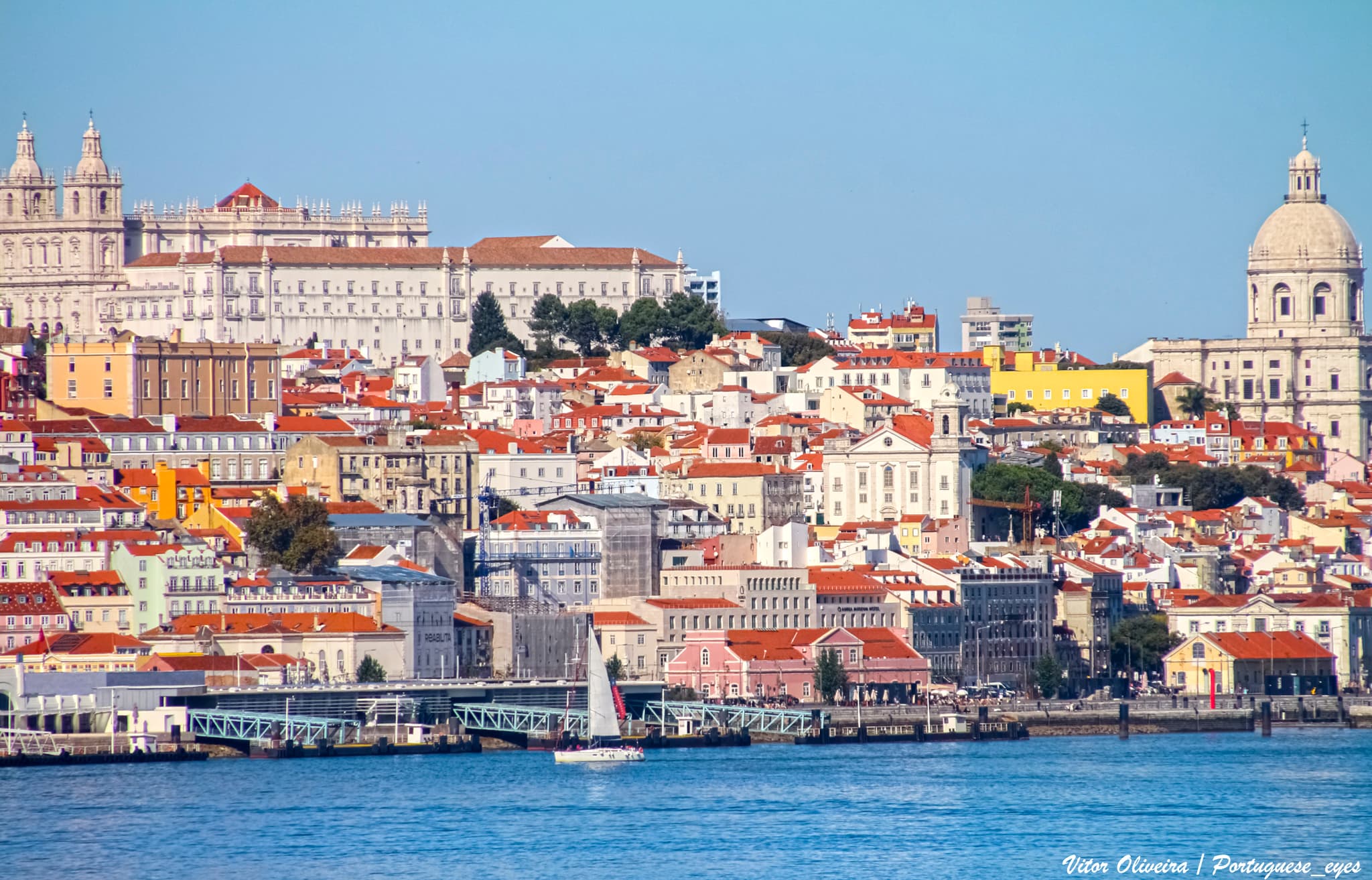
Approaching Lisbon by ship, you enter the wide Tagus estuary with city hills rising beyond the working waterfront, giving a first impression of light, space, and busy maritime life. Nearby, visitors can look out for the 25 de Abril Bridge, the Belém waterfront, and the pastel-colored districts that give the Portuguese capital its warm, slightly nostalgic character.
Approaching Lisbon by ship, you enter the wide Tagus estuary with city hills rising beyond the working waterfront, giving a first impression of light, space, and busy maritime life. Nearby, visitors can look out for the 25 de Abril Bridge, the Belém waterfront, and the pastel-colored districts that give the Portuguese capital its warm, slightly nostalgic character.
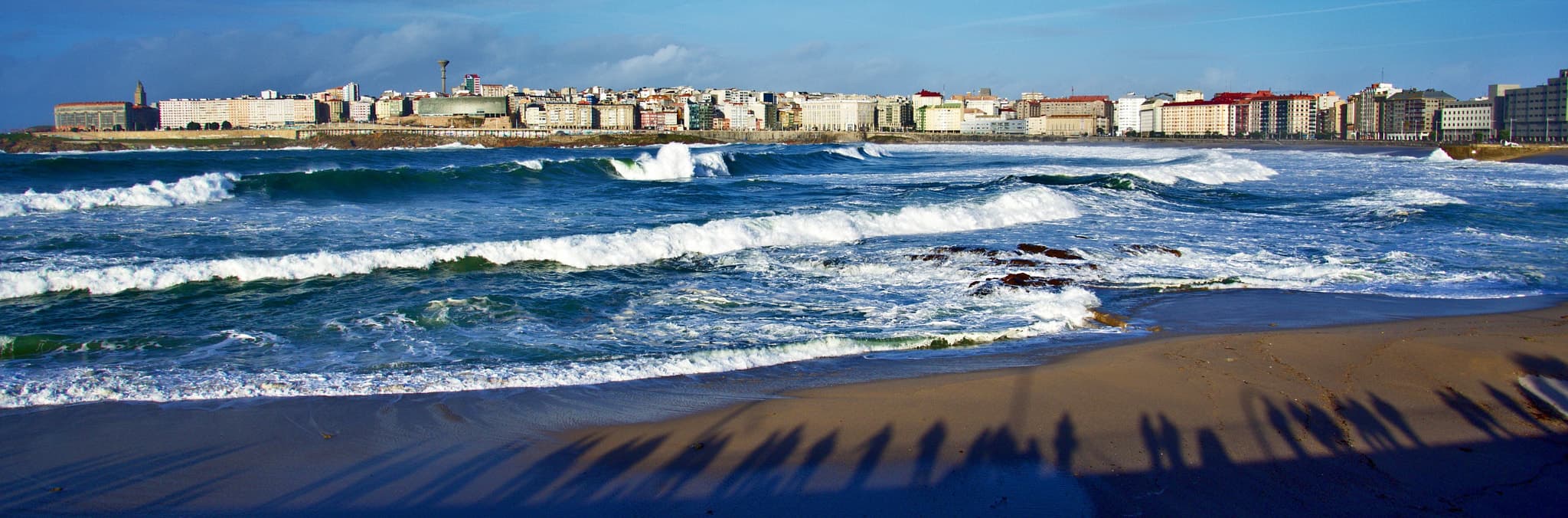
Approaching this stretch of coast by ship, you are met by a working harbour atmosphere, open water and the changing light of the Atlantic edge. Nearby, the shoreline and surrounding hills offer broad sea views, with the character of Galicia felt in the mix of maritime industry, breezy waterfronts and green landscapes beyond the port.
Porto considers itself the country's secret capital. The narrow lanes of the historic old town "Ribeira", a UNESCO World Heritage Site, extend in terraces up the slope overlooking the Douro. The former working class district has blossomed into a beautifully restored trendy neighbourhood. A student of Gustave Eiffel created the bold design for the bridge, which stretches over the river in a wide arc and links the Ribeira with Vila Nova da Geia and its 50 port wineries that lie on the other side. The best way to reach the incredible Douro Valley and the countryside of the Alto Douro wine region, also a UNESCO World Heritage Site, is by river.
Norman warriors, Turkish pirates and English privateers – for centuries, armies from all over the world attacked Vigo. For its protection, the city on the Atlantic built huge fortresses whose ruins still characterize the cityscape today. From the castle hill, there is a magnificent view over the red roofs of Vigo to the Cíes Islands National Park, large parts of which incorporate the sea and three uninhabited islands. Along beautiful hiking trails along imposing cliffs, dune landscapes and small forests, discover the diverse flora and fauna. Another well-kept secret is its stunning beaches: a British newspaper even called Playa de Rodas the most beautiful beach in the world.
Vigo sits on a broad Atlantic ria, where working docks, ferries and fishing activity give the waterfront an energetic, maritime feel. From the port you can look toward the steep city rising above the harbour, while nearby viewpoints, old streets and the bay toward the Cíes Islands hint at the wild Galician coast beyond.
Climbing the rigging, untying ropes, setting sails – today is all about sailing. Time to lean back and relax in the deck chair and watch the passionate crew hoisting the sails by hand.
As an old port metropolis and capital of the Costa Verde or Green Coast, Gijón looks back on a long seafaring tradition. Especially in the quaint fishing quarter of Cimadevilla, colorful, rambling houses exude the charm of times gone by. About 18 miles away, Oviedo was once the residence of the independent kingdom of Asturias. Today, the picturesque old town is a UNESCO World Heritage Site. The best starting point for a walk along the well-kept cobblestone streets (for instance, to the famous cider taverns) is Oviedo's cathedral with its Gothic spire of openwork stone.
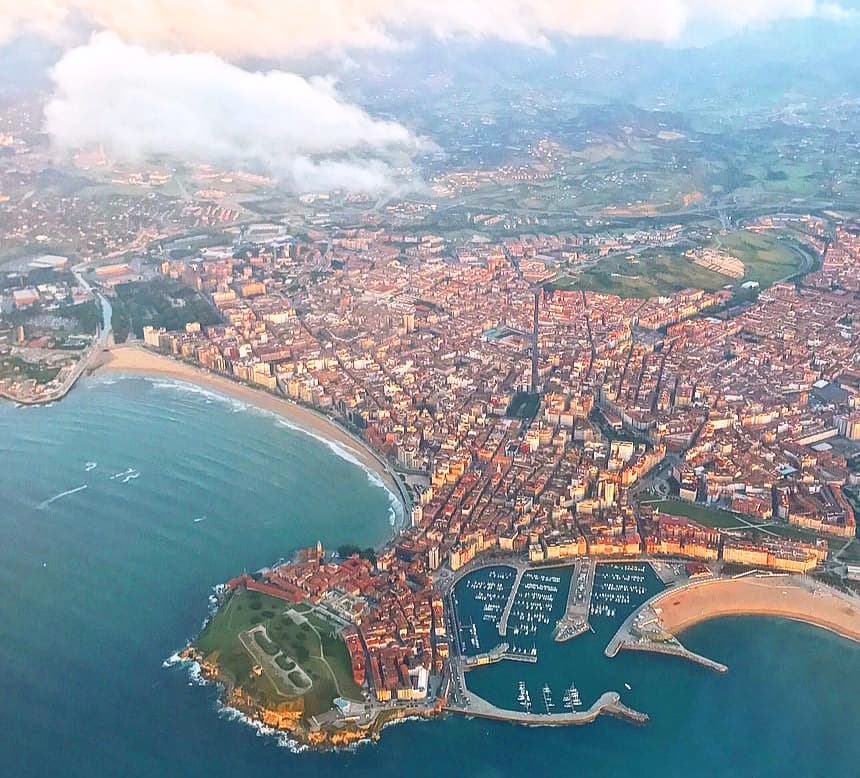
Arriving in Gijón, you come into a working Asturian port backed by green hills and the open Bay of Biscay. Nearby, the city offers a lively seafront atmosphere with beaches, a marina, and the old quarter rising above the water.
Bilbao has always been an important port and industrial city. In 1993, Bilbao was a pilgrimage destination for lovers of modern art and avant-garde architecture. The Guggenheim Museum, with its idiosyncratic and unique design by famous architect Frank O Gehry, showcases everything that is important within its 11,000 square meters (118,403 foot). Steel used to be manufactured in Bilbao and it now plays a major role here, since other renowned architects have also been inspired to give Bilbao an attractive, distinctive look. Cross the futuristic Calatrava Bridge to reach the old town, where you can take a delightful stroll round the lanes and enjoy the art of Basque cuisine.
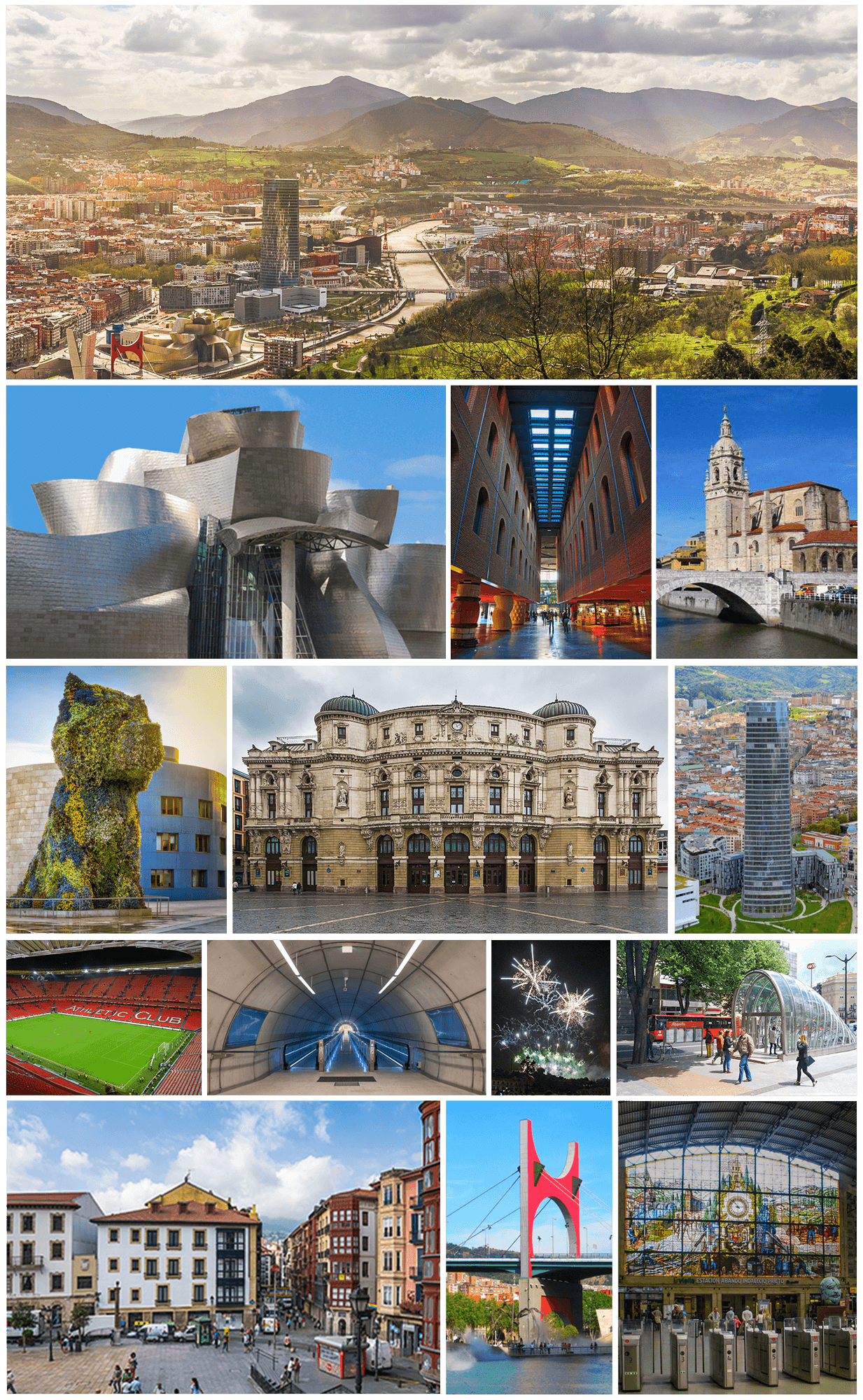
Approaching Bilbao by ship, you arrive through a busy estuary framed by green Basque hills, old docks and working waterfronts rather than a postcard quay. Nearby, the city offers striking modern architecture, riverside walks and a lively atmosphere shaped by maritime industry, culture and excellent food.
Approaching Bilbao by ship, you arrive through a busy estuary framed by green Basque hills, old docks and working waterfronts rather than a postcard quay. Nearby, the city offers striking modern architecture, riverside walks and a lively atmosphere shaped by maritime industry, culture and excellent food.
With its beautiful beach bay, the surrounding mountains and the extraordinary gastronomic offer, the seaside resort of San Sebastián (in Basque: Donostia) is one of the most popular towns on the Basque coast. Only a few kilometers to the east there is a more peaceful atmosphere – and this is exactly what makes Pasaias (Castilian Pasajes) so charming. In this traditional port city, small fishermen's houses are squeezed between the water and green hills on both sides of the river. The district Donibane is especially pretty: A small road leads past old stone houses with colorful wooden balconies – and to quaint bars and fish restaurants.
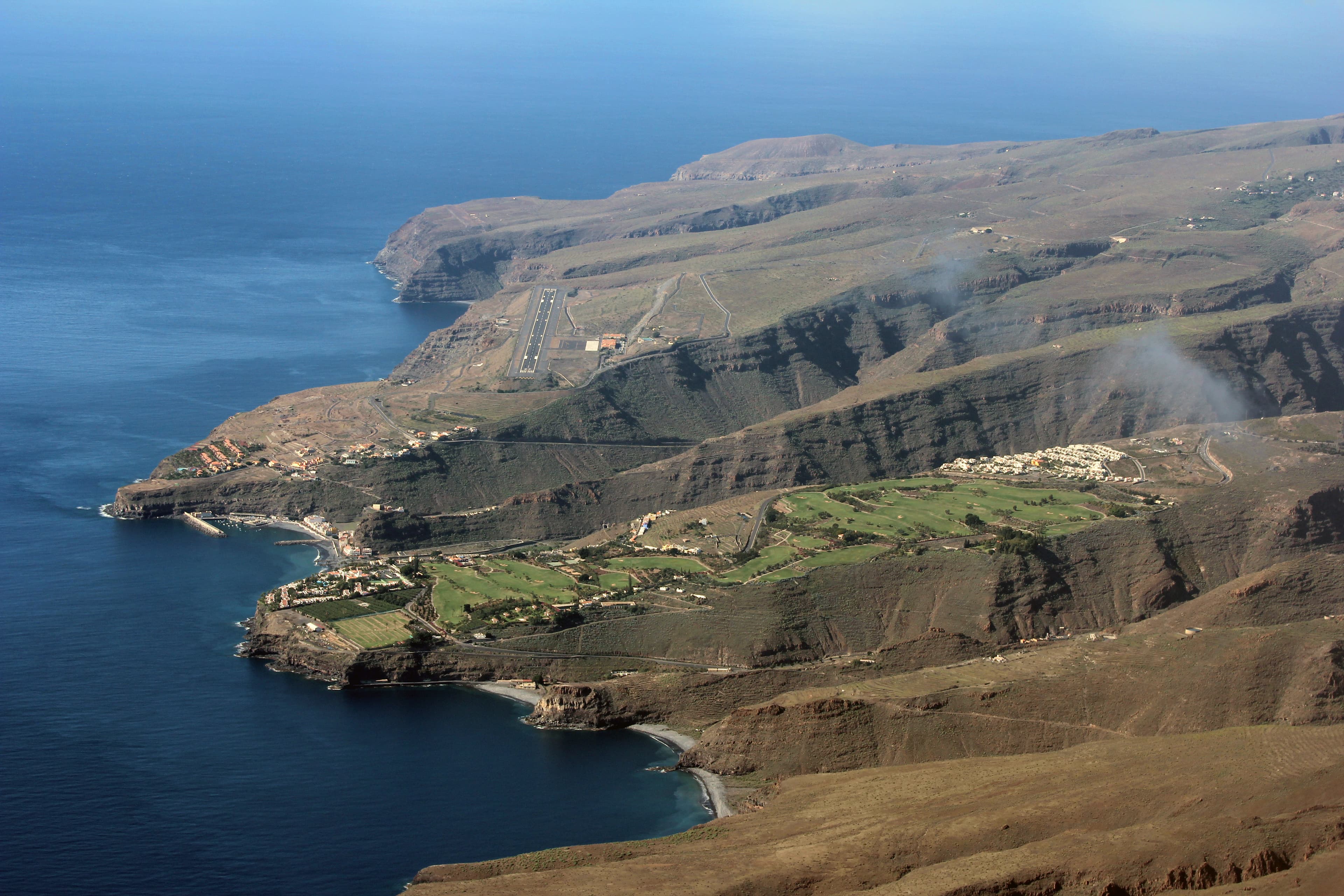
Approaching San Sebastián de La Gomera by sea, you are greeted by a compact harbour backed by steep, dry hills and the whitewashed town climbing gently above the waterfront. Nearby, visitors can enjoy a relaxed Canarian atmosphere, palm-lined squares, and broad views of the island’s rugged coast and the Atlantic.
The Vieux Port dock and the beautiful front, which teems with cafés, form the center of the picturesque old town. Two imposing towers once served as lookout posts for the harbor and town, and are now the symbol of La Rochelle. The medieval town walls, town hall, churches and shipowners' offices bear testament to its former glory. Today, the Les Minimes marina is one of the largest examples of its kind in Europe. A bridge spans the 3km gap between the mainland and the Ile-de-Ré. With its enchanting beaches and dunes, little villages, cottages with green shutters and alleyways lined with hollyhocks, the 'White Isle' is a paradise for cyclists.
Port Haliguen lies on the eastern side of the Quiberon Peninsula and is considered one of the most charming harbors in southern Brittany. Once a small fishing port, it flourished in the 19th century during the rise of the sardine fishing industry. Colorful boats, narrow lanes, and traditional houses still shape its character today. Around the modern marina, cafés and restaurants invite you to linger. Walks along the quays, fresh seafood, and views across the calm Bay of Quiberon give this lively harbor district its special appeal.
A piece of France fallen into the sea and grabbed up by the English' is how Victor Hugo described his place of exile in the Bay of St. Malo, which is closer to the northern coast of France than the south coast of England. Guernsey, the second largest British Channel Island, later inspired Auguste Renoir to produce a whole series of paintings. Narrow, meandering roads bordered by hedges and embankments wind through the interior of the island, which boasts luscious vegetation courtesy of the mild Gulf Stream climate, while in the south, green hills give way to rocky cliffs on the sea's edge. Here, spectacular crags, bays and sandy beaches have been shaped by the vast tidal range pummelling the rock. The pretty island capital of St. Peter Port overlooking the large sheltered harbor and castle boasts a fascinating mixture of styles in a tangle of terraces and stepped gardens.
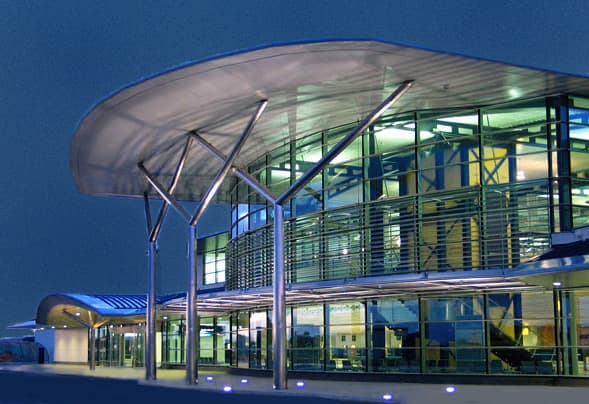
Arriving in Guernsey, you are met by a busy island harbour, stone sea walls and the compact outline of St Peter Port climbing the hillside nearby. Just beyond the quay, visitors can enjoy narrow streets, elegant old houses and wide sea views that give the island a relaxed but distinctly maritime atmosphere.
Many famous impressionists caught the quaint atmosphere of this town at the mouth of the Seine on canvas in the 19th century. This small town in Calvados is still one of the most charming places in Normandy. Tall and narrow slate-clad buildings crowd around the quayside, the exquisite Vieux Bassin and the old 17th century dock. Honfleur honours its famous sons, painter Eugène Boudin and composer Eric Satie, in a museum. East of Honfleur, the breathtaking Pont de Normandie spans the Seine estuary and links Honfleur with Le Havre, an engineering masterpiece and one of the longest bridges in Europe.
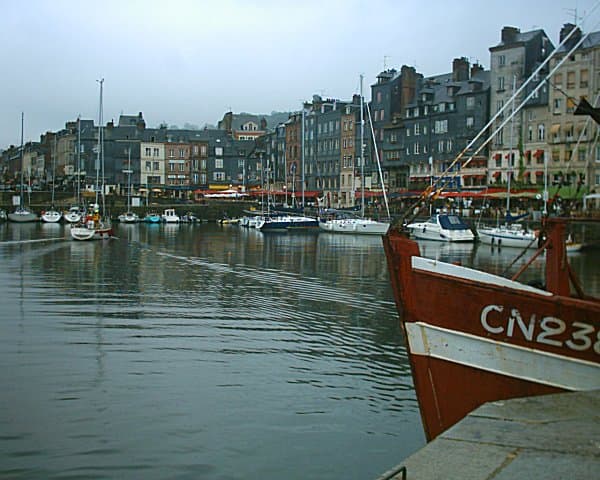
Arriving by ship near Honfleur, you reach the calm waters of the Seine estuary and a coast with a distinctly Norman character. Nearby, the old harbour, narrow streets and slate-roofed houses give the town a picturesque, intimate feel, with sea light and a relaxed maritime atmosphere.
Approaching Lisbon by ship, you enter the wide Tagus estuary with city hills rising beyond the working waterfront, giving a first impression of light, space, and busy maritime life. Nearby, visitors can look out for the 25 de Abril Bridge, the Belém waterfront, and the pastel-colored districts that give the Portuguese capital its warm, slightly nostalgic character.
Approaching this stretch of coast by ship, you are met by a working harbour atmosphere, open water and the changing light of the Atlantic edge. Nearby, the shoreline and surrounding hills offer broad sea views, with the character of Galicia felt in the mix of maritime industry, breezy waterfronts and green landscapes beyond the port.
Vigo sits on a broad Atlantic ria, where working docks, ferries and fishing activity give the waterfront an energetic, maritime feel. From the port you can look toward the steep city rising above the harbour, while nearby viewpoints, old streets and the bay toward the Cíes Islands hint at the wild Galician coast beyond.
Arriving in Gijón, you come into a working Asturian port backed by green hills and the open Bay of Biscay. Nearby, the city offers a lively seafront atmosphere with beaches, a marina, and the old quarter rising above the water.
Approaching Bilbao by ship, you arrive through a busy estuary framed by green Basque hills, old docks and working waterfronts rather than a postcard quay. Nearby, the city offers striking modern architecture, riverside walks and a lively atmosphere shaped by maritime industry, culture and excellent food.
Approaching San Sebastián de La Gomera by sea, you are greeted by a compact harbour backed by steep, dry hills and the whitewashed town climbing gently above the waterfront. Nearby, visitors can enjoy a relaxed Canarian atmosphere, palm-lined squares, and broad views of the island’s rugged coast and the Atlantic.
Arriving in Guernsey, you are met by a busy island harbour, stone sea walls and the compact outline of St Peter Port climbing the hillside nearby. Just beyond the quay, visitors can enjoy narrow streets, elegant old houses and wide sea views that give the island a relaxed but distinctly maritime atmosphere.
Arriving by ship near Honfleur, you reach the calm waters of the Seine estuary and a coast with a distinctly Norman character. Nearby, the old harbour, narrow streets and slate-roofed houses give the town a picturesque, intimate feel, with sea light and a relaxed maritime atmosphere.
 Holiday
Piraeus,
19 September 2026
Piraeus,
26 September 2026
From ~€1,247 / person
 Training
Portimao,
19 September 2026
Malaga,
26 September 2026
From ~€883 / person
 Holiday
Nice, France
19 September 2026
Nice, France
26 September 2026
From ~€1,276 / person
 Holiday
Civitavecchia,
19 September 2026
Piraeus,
30 September 2026
From ~€1,905 / person