Authentic sailing experience
Feel the power of wind in the sails and take part in a real sea adventure – without commercial gimmicks and crowds of tourists.

Lisbon, Portugal – Tarragona, Spain
Why choose a Tall Ship cruise?
I want to set sail →Feel the power of wind in the sails and take part in a real sea adventure – without commercial gimmicks and crowds of tourists.
Immerse yourself in a world where time flows slower, and the only sound is the rush of waves and the crack of lines.
Whether you have sailing experience or are taking your first steps on deck – you'll find a cruise tailored to your expectations and abilities.
From short Baltic cruises to multi-week transatlantic voyages. Choose a cruise that fits your rhythm and dreams.
The most beautiful approach to the Portuguese capital is to travel up the River Tagus. One of the city's most famous landmarks has been greeting visitors right on the estuary since 1521 – the Torre de Belém. This is a UNESCO World Heritage Site and transports you back to the glory days when Portugal was a naval power. There are many landmarks, such as the facades of the houses decorated with azulejos tilework and the ancient trams that rattle through the city. But Lisbon has many different sides. Joie de vivre comes face to face with the melancholy of Fado music, winding lanes in the old city meet wide boulevards, while magnificent churches and austere monasteries show the two sides of former religious faith.
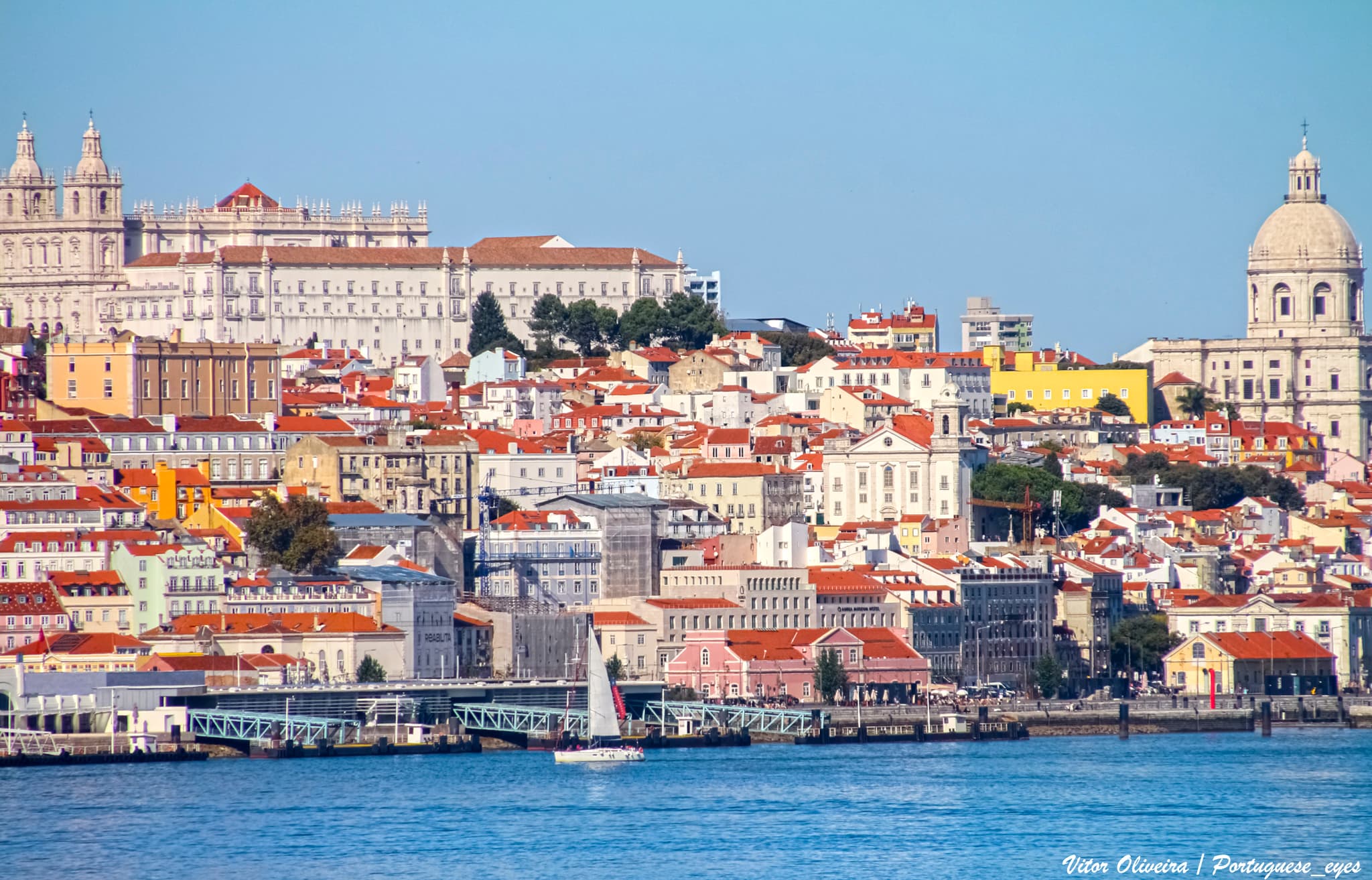
Approaching Lisbon by ship, you enter the wide Tagus estuary with city hills rising beyond the working waterfront, giving a first impression of light, space, and busy maritime life. Nearby, visitors can look out for the 25 de Abril Bridge, the Belém waterfront, and the pastel-colored districts that give the Portuguese capital its warm, slightly nostalgic character.
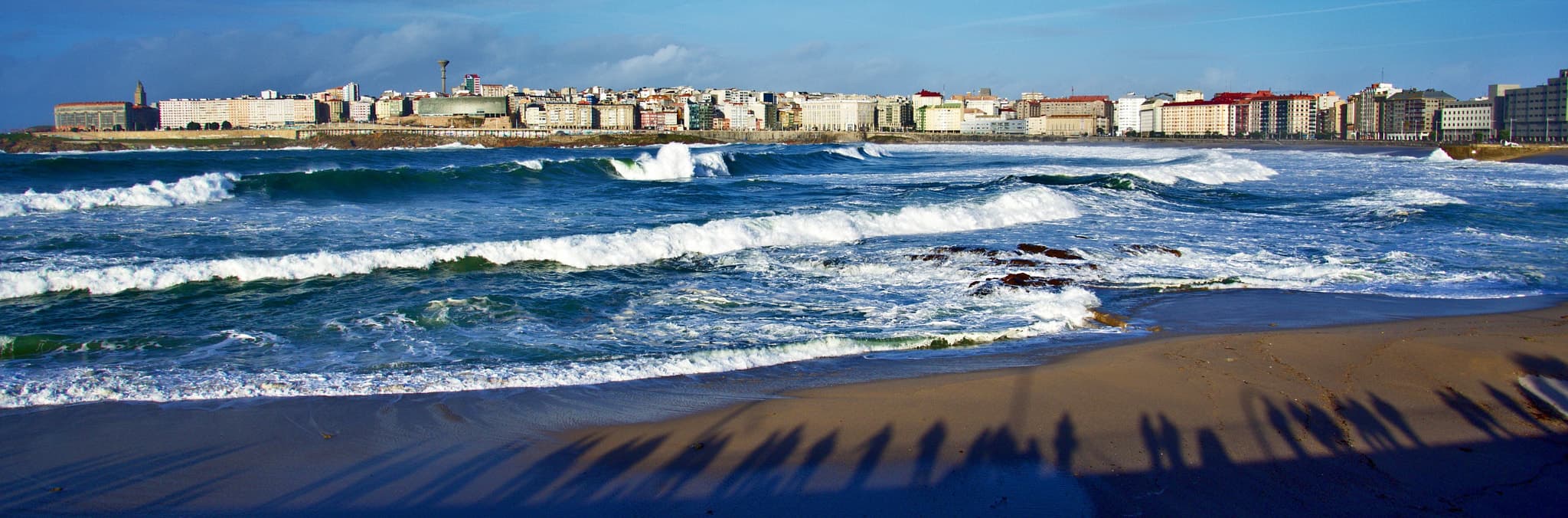
Approaching this stretch of coast by ship, you are met by a working harbour atmosphere, open water and the changing light of the Atlantic edge. Nearby, the shoreline and surrounding hills offer broad sea views, with the character of Galicia felt in the mix of maritime industry, breezy waterfronts and green landscapes beyond the port.
Climbing the rigging, untying ropes, setting sails – today is all about sailing. Time to lean back and relax in the deck chair and watch the passionate crew hoisting the sails by hand.
The old city of Cádiz, around 3,000 years old, has a picturesque location on a narrow headland, right by the Playa de la Caleta with its elegant beachside promenade. Visit the Andalusian capital of Seville and you will be transported back to the heyday of Moorish splendour and rule, but also the age of discovery. This town sits on the Guadalquivir River was a center of Spanish maritime trade with the New World. Many buildings in the old town are registered as UNESCO World Heritage Sites, including the splendid Moorish Alcazar fortress and the huge Gothic Cathedral of Santa Maria de la Sede. Seville is a fun-loving city that is still at the center of Andalusian culture and is considered the proud birthplace of Flamenco.
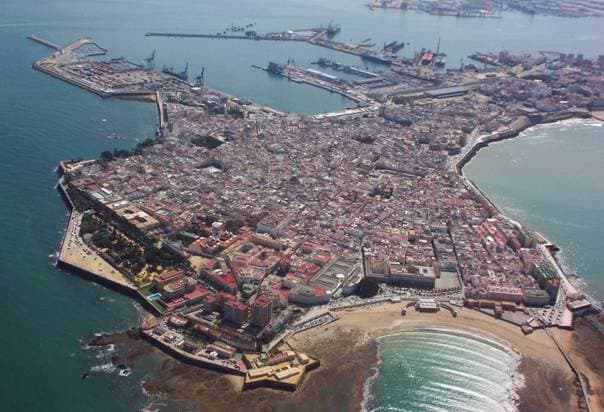
Arriving in Cadiz by sea, you approach one of Spain’s most atmospheric Atlantic ports, with busy docks giving way nearby to a compact old city set on a narrow peninsula. A short trip from the quay brings you to bright plazas, palm-lined seafront promenades, historic streets and wide ocean views that give the city its relaxed, sunlit character.
With a population of around one million, Tangier is constantly on the move: The port city west of the Strait of Gibraltar, whose cosmopolitan charm has attracted many writers, has been experiencing an economic and cultural boom for years. Those who yearn for more traditional oriental magic will find what they are looking for nearby: Tetouan, the „white dove of the Mediterranean“ with its gleaming whitewashed houses, is not far away. The lively, authentic medina is hidden behind its thick city wall. Or would you prefer even more color? Then let’s go to Chefchaouen – the facades of this charming city shine in an extremely photogenic azure blue.
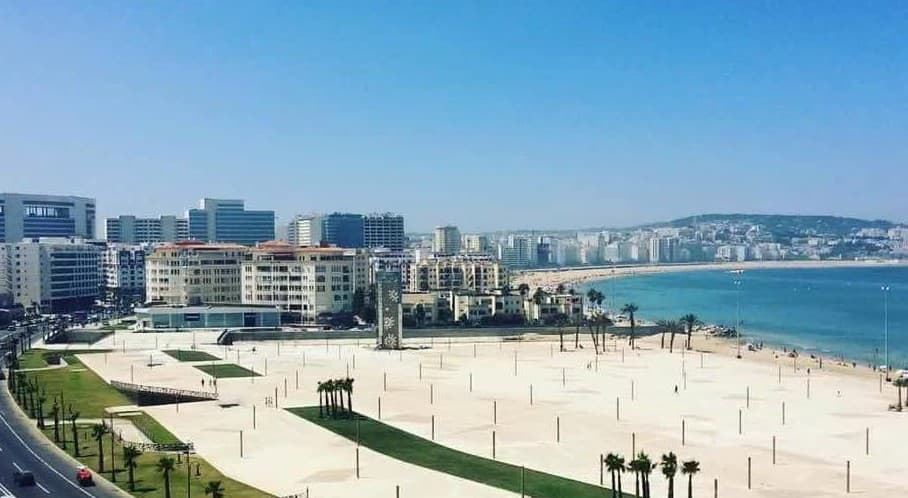
Arriving in Tangier, you meet a busy strait port where the Atlantic and Mediterranean worlds seem to overlap, with ferries, cargo traffic, and hills rising beyond the harbour. Nearby, the old city and waterfront offer white facades, layered streets, and wide views toward the sea, giving the place an energetic, slightly windswept atmosphere.
Málaga has spruced itself up. In 2003, the Museo Picasso opened in a 16th century Renaissance palace and is dedicated to the artist's extensive life's work. This historic old city invites you to take a stroll and its buildings gleam like new. And above everything towers the Alcazaba, a mighty walled fortress. The port was completely redesigned when the city was opened to the sea and you can now take a lovely stroll along the promenade. In Malaga's hinterland you can see the most beautiful aspects of traditional Andalusia. From a distance the typical Andalusian villages look like white dabs of paint shining out from the brown of the barren mountain landscape.
Arriving by ship, you are met by a wide harbour backed by dry hills and the bright Atlantic light of the Canary Islands. Nearby, this port offers a relaxed small-town atmosphere, black volcanic shores, banana plantations and dramatic mountain scenery rising above the coast.
On one corner its centuries old and around the next totally modern – Valencia is everything all at once. Today the beautiful old town and the old silk market "La Lonja de la Seda", which is a UNESCO World Heritage Site, still bear witness to the city's wealth in the Middle Ages. A brand new part of the city is situated in a drained river bed and has avant-garde buildings including a futuristic opera house, the largest aquarium in Europe, a botanical garden and a public park. Valencia is one of the few cities that has a heritage of over 2,000 years and is also so intriguingly combined with the future. And no other city in Europe can proudly make the claim that the America’s Cup has already taken place twice right on its front door.
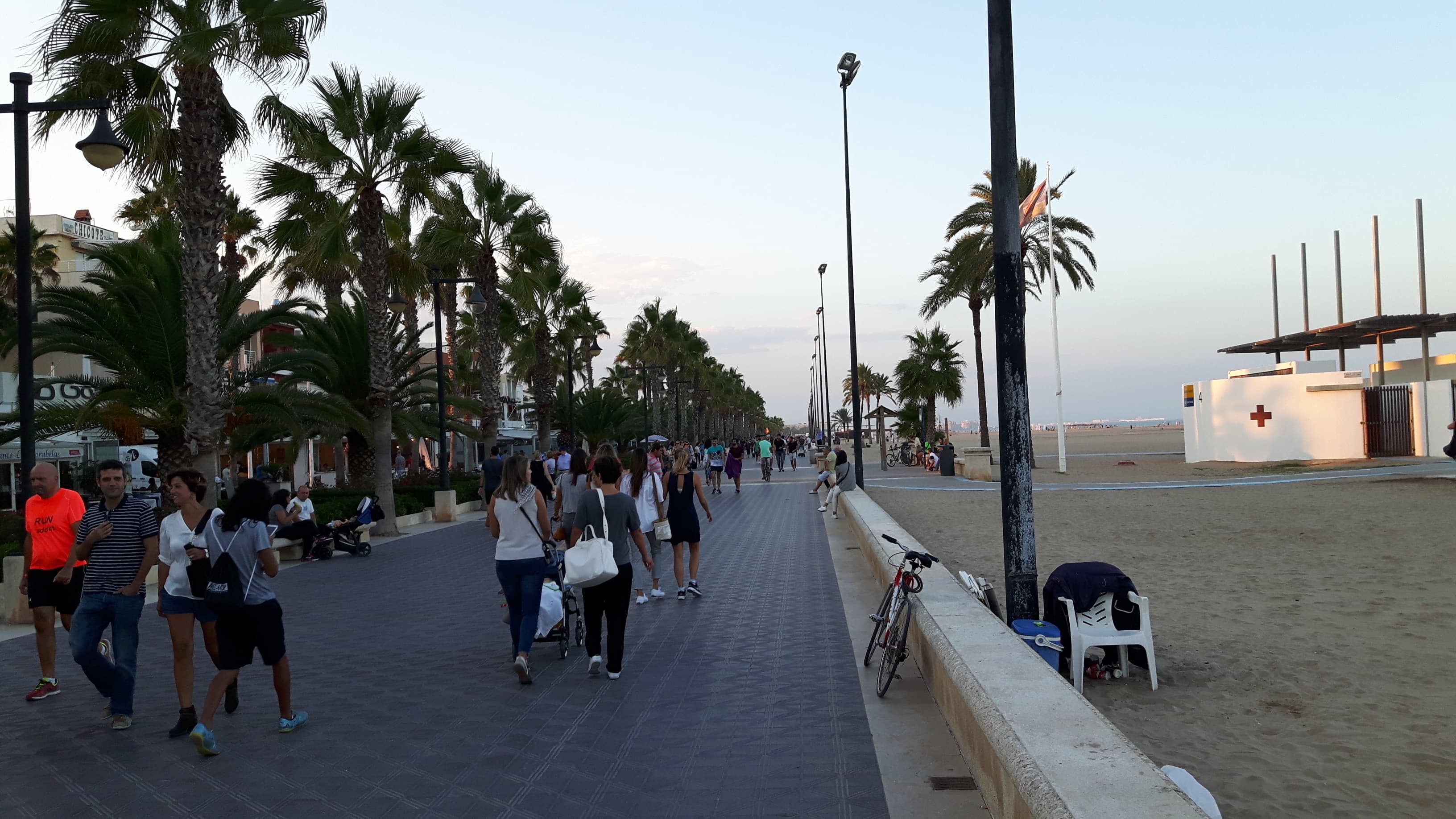
Arriving in Valencia by ship, you meet a broad working harbour backed by the flat Mediterranean coast, with the city’s beaches, marinas, and modern waterfront areas lying nearby rather than right at the quay. Beyond the port, Valencia combines a sunny seaside atmosphere with grand avenues, palm-lined spaces, and a lively urban energy that feels both relaxed and vibrant.
Majorca's beautiful capital is an elegant city and its picturesque old town and architectural mix of Arab, Catalan and Art Nouveau elements are part of its success story. In the center you will be lured by shops behind splendid facades, and cafés and bars set on beautiful squares invite you to stay a while. Not far from the sophisticated marina you will find the dignified cathedral, affectionately known as "La Seu" for short. With pure Gothic beginnings, none other than Antonio Gaudi created part of its interior at the start of the 20th century.
Arriving in Palma, you are welcomed by a wide Mediterranean bay, busy marina life, and the pale stone skyline of the city rising beyond the harbour. Nearby, the old town’s lanes and the great waterfront cathedral give the place an elegant yet relaxed island atmosphere.
Arriving in Palma, you are welcomed by a wide Mediterranean bay, busy marina life, and the pale stone skyline of the city rising beyond the harbour. Nearby, the old town’s lanes and the great waterfront cathedral give the place an elegant yet relaxed island atmosphere.
Welcome to ancient times! Roman history comes alive in the Catalan port city of Tarragona. It all began in 218 B.C.: that was when the Romans conquered the city, gave it the name Tarraco and began to build monuments that are now part of the UNESCO World Heritage. If you walk along the old city wall and visit the amphitheatre, the triumphal arch and the forum, you will feel as if you have been transported back thousands of years into the past. A little younger, but equally worth seeing is the Cathedral de Santa Maria: its construction lasted from 1171 to 1331, which is why it combines Romanesque and Gothic style elements.
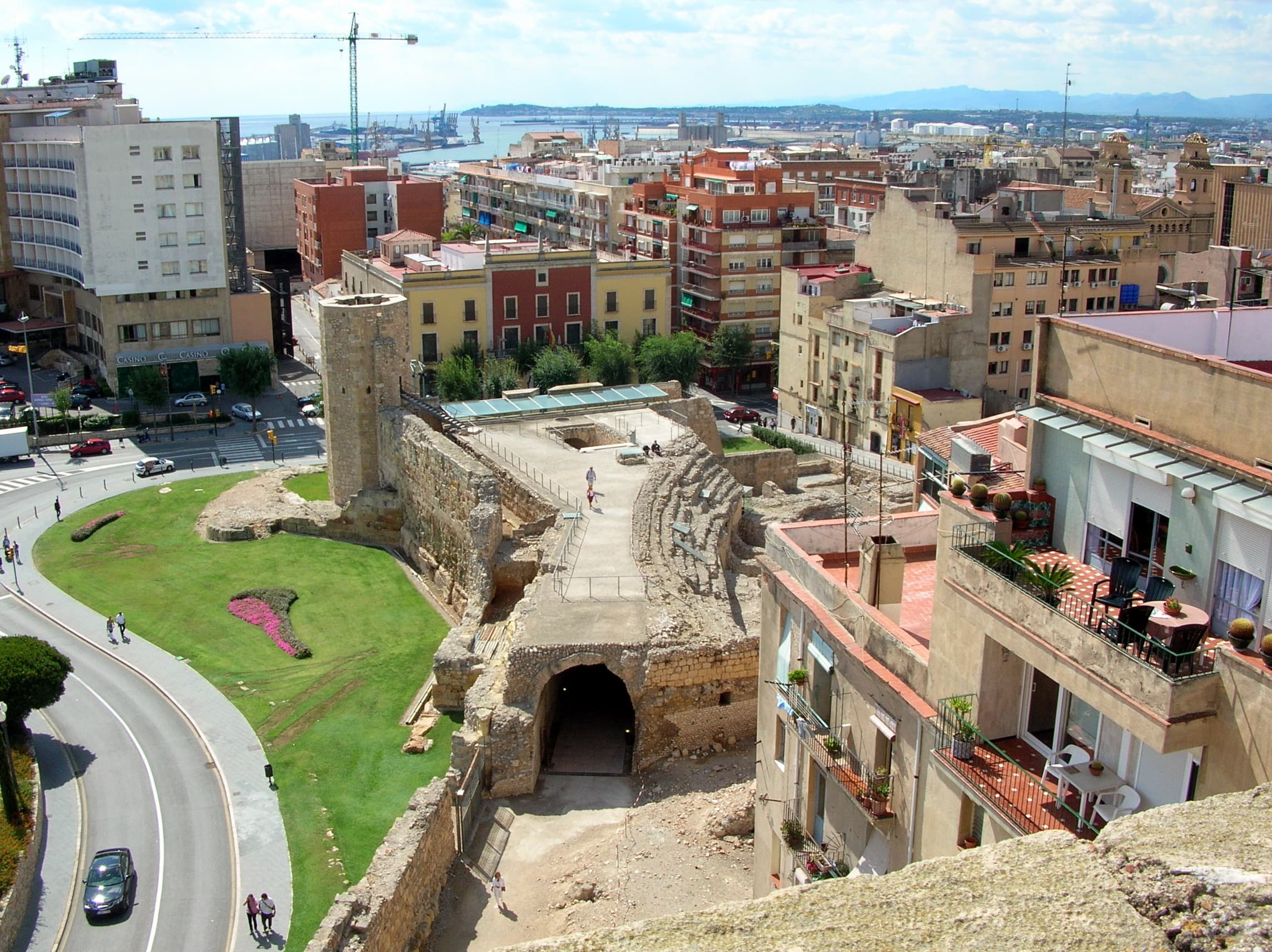
Arriving in Tarragona, you come into a busy Mediterranean harbour backed by low hills and the warm, sunlit coast of Catalonia. From the port, the historic city rises nearby, where Roman remains, old streets and sea views give the place a relaxed yet distinctly historic atmosphere.
Approaching Lisbon by ship, you enter the wide Tagus estuary with city hills rising beyond the working waterfront, giving a first impression of light, space, and busy maritime life. Nearby, visitors can look out for the 25 de Abril Bridge, the Belém waterfront, and the pastel-colored districts that give the Portuguese capital its warm, slightly nostalgic character.
Approaching this stretch of coast by ship, you are met by a working harbour atmosphere, open water and the changing light of the Atlantic edge. Nearby, the shoreline and surrounding hills offer broad sea views, with the character of Galicia felt in the mix of maritime industry, breezy waterfronts and green landscapes beyond the port.
Arriving in Cadiz by sea, you approach one of Spain’s most atmospheric Atlantic ports, with busy docks giving way nearby to a compact old city set on a narrow peninsula. A short trip from the quay brings you to bright plazas, palm-lined seafront promenades, historic streets and wide ocean views that give the city its relaxed, sunlit character.
Arriving in Tangier, you meet a busy strait port where the Atlantic and Mediterranean worlds seem to overlap, with ferries, cargo traffic, and hills rising beyond the harbour. Nearby, the old city and waterfront offer white facades, layered streets, and wide views toward the sea, giving the place an energetic, slightly windswept atmosphere.
Arriving by ship, you are met by a wide harbour backed by dry hills and the bright Atlantic light of the Canary Islands. Nearby, this port offers a relaxed small-town atmosphere, black volcanic shores, banana plantations and dramatic mountain scenery rising above the coast.
Arriving in Valencia by ship, you meet a broad working harbour backed by the flat Mediterranean coast, with the city’s beaches, marinas, and modern waterfront areas lying nearby rather than right at the quay. Beyond the port, Valencia combines a sunny seaside atmosphere with grand avenues, palm-lined spaces, and a lively urban energy that feels both relaxed and vibrant.
Arriving in Palma, you are welcomed by a wide Mediterranean bay, busy marina life, and the pale stone skyline of the city rising beyond the harbour. Nearby, the old town’s lanes and the great waterfront cathedral give the place an elegant yet relaxed island atmosphere.
Arriving in Tarragona, you come into a busy Mediterranean harbour backed by low hills and the warm, sunlit coast of Catalonia. From the port, the historic city rises nearby, where Roman remains, old streets and sea views give the place a relaxed yet distinctly historic atmosphere.
 Holiday
Lisbon, Portugal
16 October 2026
Bridgetown, Barbados
31 October 2026
From ~€1,469 / person
 Holiday
Valletta, Malta
17 October 2026
Palma de Mallorca, Spain
25 October 2026
From €6,590 / person

Puck,
22 October 2026
Puck,
25 October 2026
From ~€160 / person
 Training
Lizbona,
24 October 2026
Setubal,
29 November 2026
From ~€2,801 / person