Authentic sailing experience
Feel the power of wind in the sails and take part in a real sea adventure – without commercial gimmicks and crowds of tourists.

Bridgetown, Barbados – Santo Domingo, Dom. Republic
Why choose a Tall Ship cruise?
I want to set sail →Feel the power of wind in the sails and take part in a real sea adventure – without commercial gimmicks and crowds of tourists.
Immerse yourself in a world where time flows slower, and the only sound is the rush of waves and the crack of lines.
Whether you have sailing experience or are taking your first steps on deck – you'll find a cruise tailored to your expectations and abilities.
From short Baltic cruises to multi-week transatlantic voyages. Choose a cruise that fits your rhythm and dreams.
More than 300 years of British rule have left their mark. The whole of Bridgetown, Barbados' historic center, with its colonial architecture surrounding Trafalgar Square, is a UNESCO World Heritage Site. A green hilly countryside and endless fields of sugar cane characterize the island's landscape. Old colonial houses are reminders of the high life of the plantation owners, while innumerable colorful chattel houses are evidence of their workers' moveable properties. The sweeping coastline is a picture postcard of fine sandy beaches and turquoise sea surrounded by vibrant coral reefs.
Arriving in Bridgetown, you come into a busy Caribbean harbour backed by low-rise city streets, palms, and the bright light of Barbados’ west coast. Nearby, visitors can explore the historic centre and waterfront areas, while the island’s easygoing, sun-washed atmosphere is never far from the quay.
If you are looking for a sunny, dreamy Caribbean bay, the options are nearly endless in the northeast of Tobago. As soon as the windjammer enters Man-o-War Bay, smaller hidden bays are revealed. A real island paradise: From Hermitage Bay to Pirate's Bay, the tropical forest grows up to the golden sand beach, while under water colorful reef inhabitants cavort below the surface. Tobago is a pioneer in environmental protection: As early as 1764, the Main Ridge Rainforest was declared a nature reserve here, enabling it to preserve its impressive biodiversity.
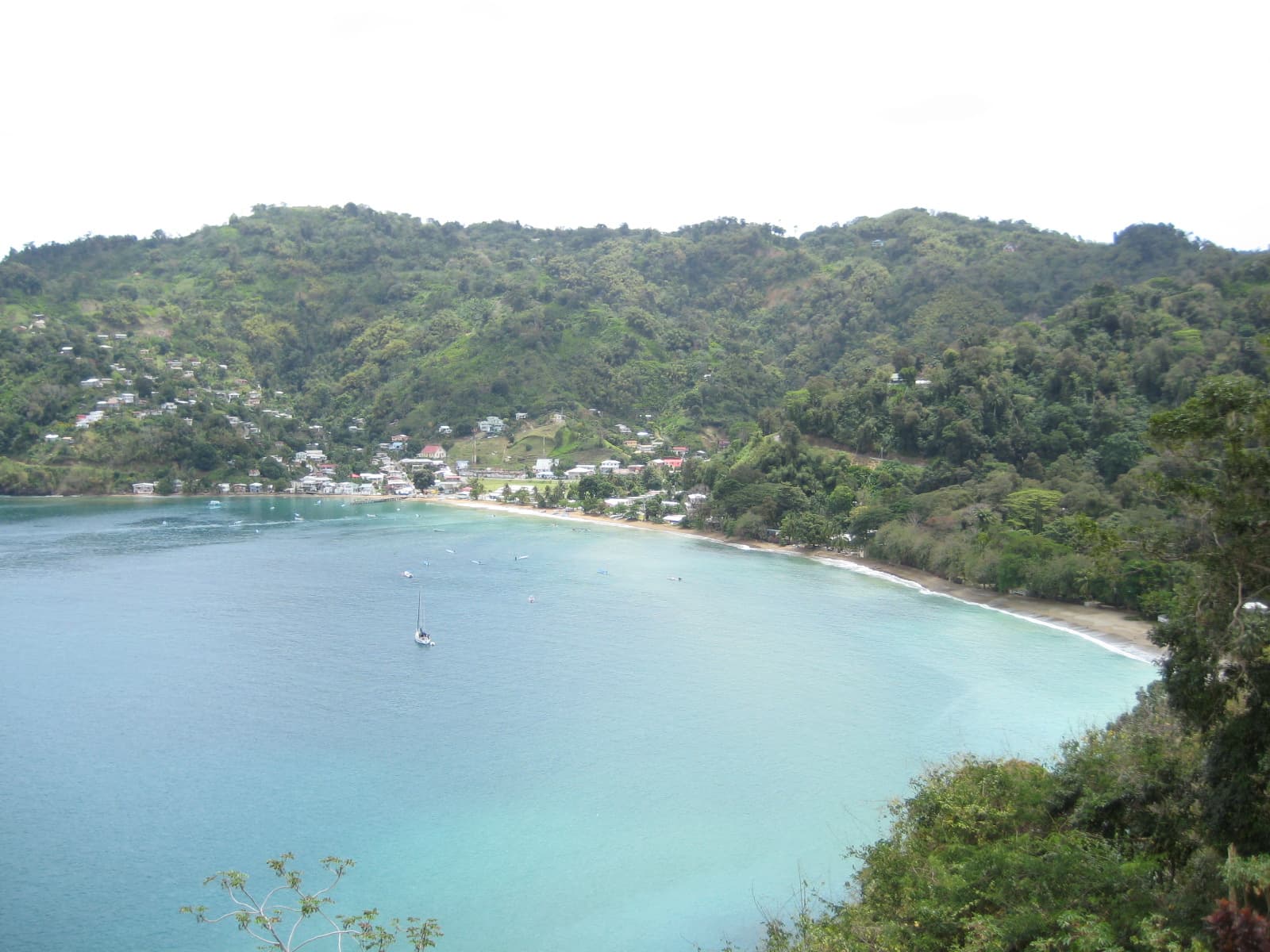
Man-O-War Bay offers a calm, intimate anchorage framed by green hills, palms, and the brightly painted waterfront of Charlotteville nearby. Arriving by ship, you get a classic north Tobago scene of clear water, fishing boats, and a relaxed Caribbean atmosphere, with beaches and coastal viewpoints close at hand.
Man-O-War Bay offers a calm, intimate anchorage framed by green hills, palms, and the brightly painted waterfront of Charlotteville nearby. Arriving by ship, you get a classic north Tobago scene of clear water, fishing boats, and a relaxed Caribbean atmosphere, with beaches and coastal viewpoints close at hand.
Beautiful beaches, aromatic spice plantations, dense rainforests, waterfalls, and a volcano that has long been extinct define this stunning island. For many people, Grenada is the incarnation of a tropical paradise and St. George's the most beautiful little port in the Grenadines. All around the horseshoe-shaped bay there are numerous houses reminiscent of colonial times. There is good reason why nutmeg is immortalized on the national flag. Alongside cloves, cinnamon and ginger, it is one of the island's biggest exports.
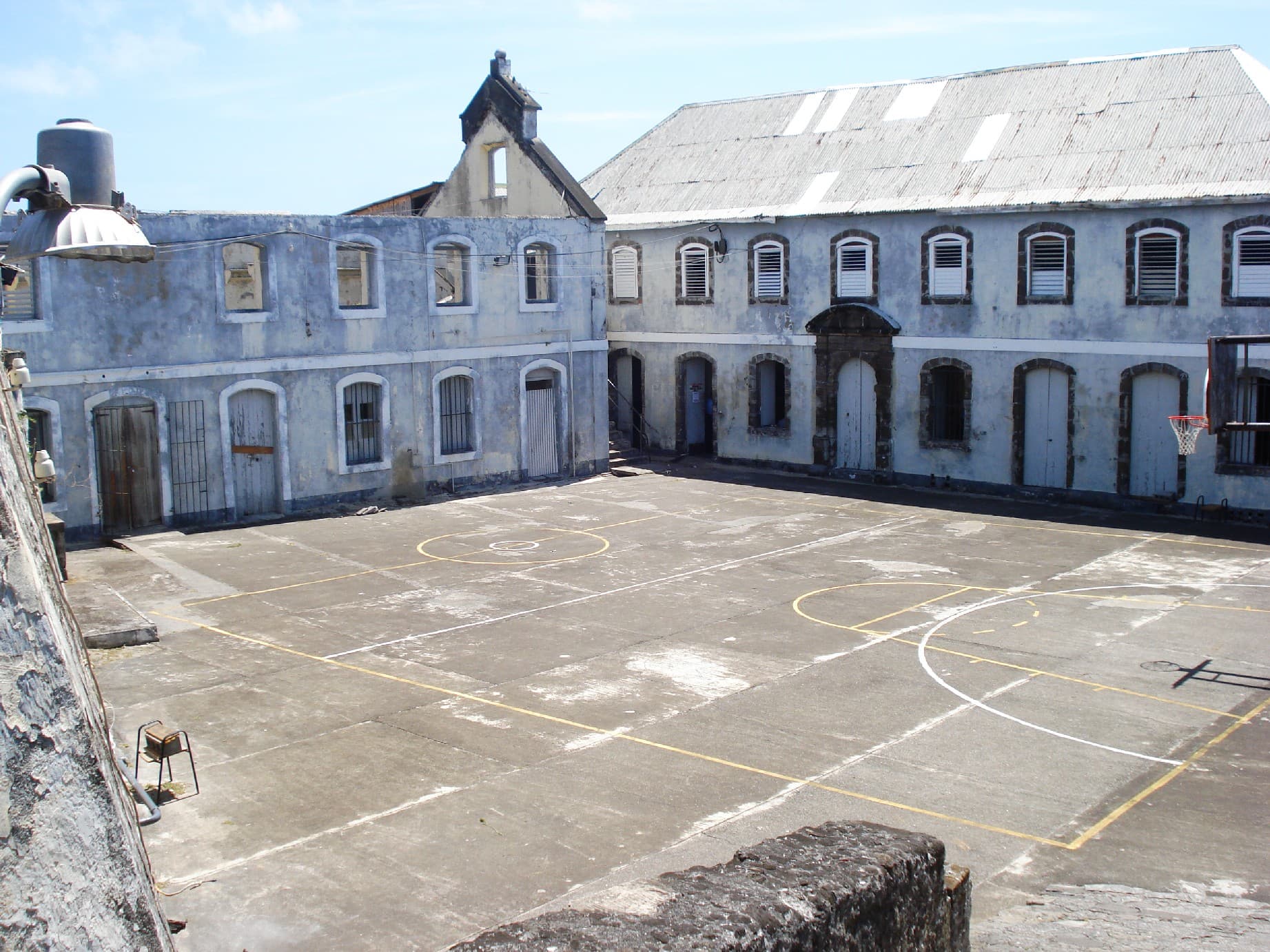
Arriving by ship, St. George’s unfolds around a deep, horseshoe-shaped harbour, with colorful hillside houses, church towers, and the green slopes beyond giving the waterfront a vivid Caribbean backdrop. Nearby, visitors can look out over the bay, wander into the compact historic streets, and enjoy the relaxed yet lively atmosphere of Grenada’s capital.
Right in the south of the Grenadines are the Tobago Cays – four small uninhabited islands, surrounded by a protective horseshoe-shaped coral reef. The Horseshoe Reef holds the Atlantic swell at bay and its unique animal and plant life make it an ideal place for snorkelling. The lagoon between the islets shimmers in all shades from turquoise through to emerald green and invites you to take a dip at the fantastic beaches.
Tobago Cays welcomes arriving ships with a dazzling lagoon of clear turquoise water, tiny islets, and bright coral shallows. The mood is peaceful and castaway-like, with nearby reefs, sandy beaches, and green cays creating one of the most idyllic seascapes in the Grenadines.
Bequia is actually the largest island in the Grenadines, but still small and tranquil at just 87 square miles. Elegant sailing yachts sway in the natural shelter of Admiralty Bay, while in lovely Port Elizabeth, with its attractive beach bars, you are right in the heart of a lifestyle that likes to take things easy. You can find Princess Margaret Beach just nearby, named because it was once visited by the British royal. And on the eastern coast, you can find the Old Hegg Turtle Sanctuary focuses on rearing and caring for endangered turtles.
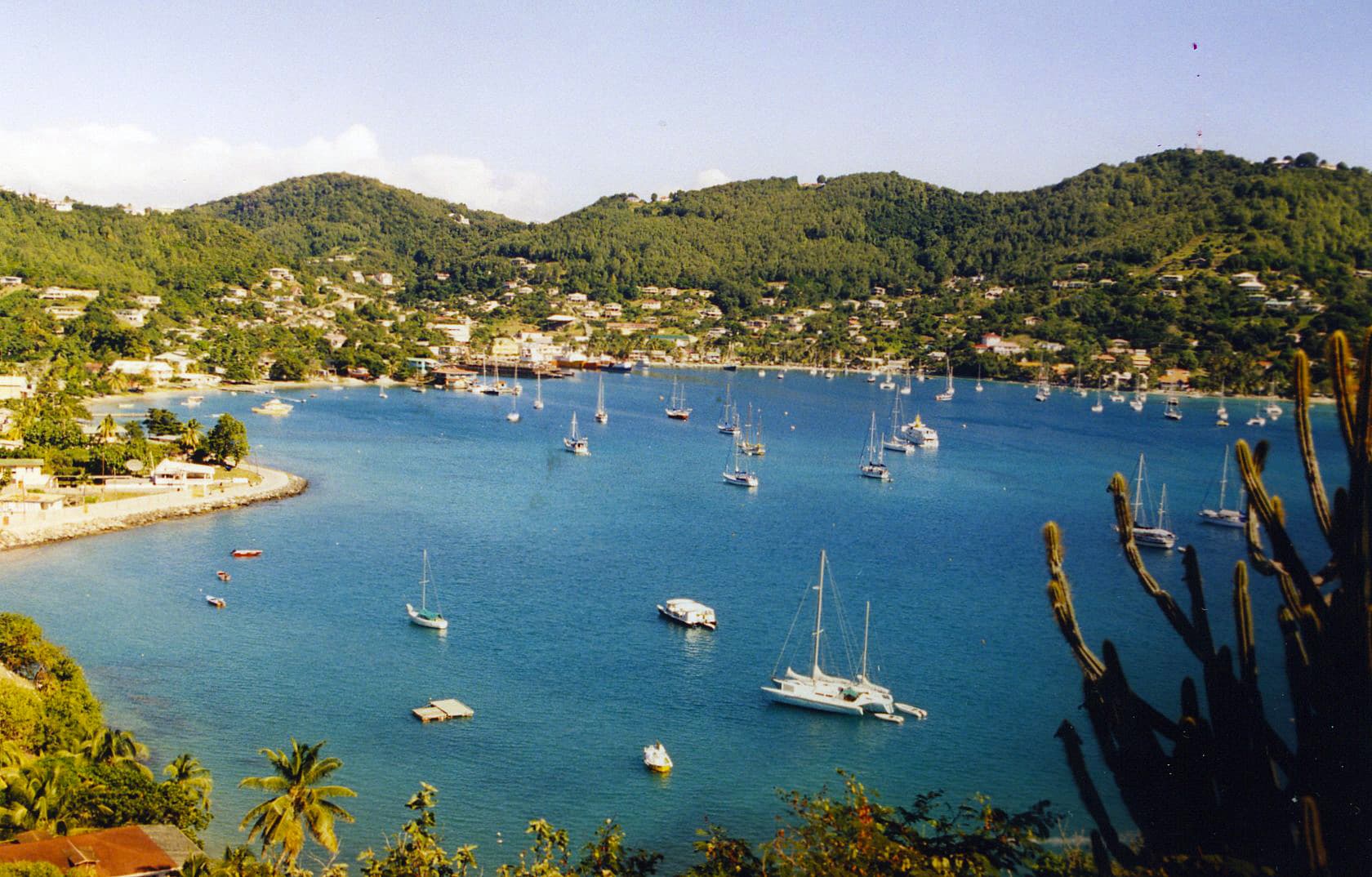
Port Elizabeth opens onto a calm, yacht-filled bay backed by green hills and a waterfront lined with low, colorful Caribbean buildings. Arriving by ship, you get an easy sense of Bequia’s relaxed island rhythm, with beaches, small waterfront streets, and broad harbour views waiting nearby.
Dominica, nicknamed the Nature Isle of the Caribbean, is one of the most untouched of the Windward Islands. It boasts some of the highest mountains in the Lesser Antilles, as well as many beautiful national parks. Its interior is characterized by thick forest, where rivers plunge into the depths and tiny streams wind through the jungle. Two extinct volcanoes are at the center of the Cabrits National Park and, recaptured by nature, the former strategically important Fort Stanley appears like a picturesque backdrop in the heart of the lush woodlands.
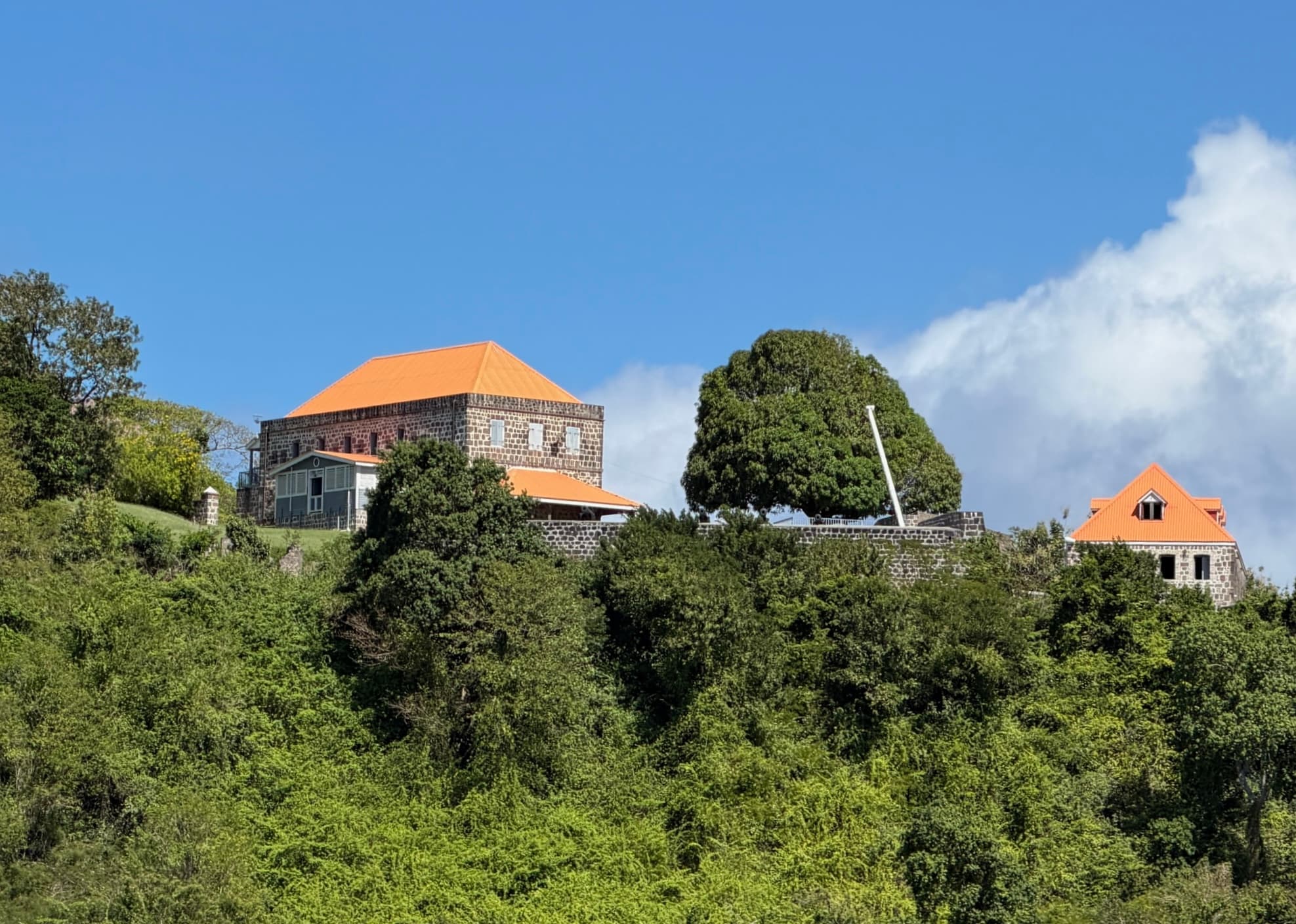
Arriving at Cabrits, you are greeted by a lush, volcanic coastline, calm bay waters and a quieter, more remote corner of Dominica than the island’s larger ports. Nearby, the Cabrits peninsula and the old hilltop fort offer striking views over Prince Rupert Bay, with dense tropical greenery all around.
With a population around 15,000, Pointe-à-Pitre is the largest city in the French overseas region of Guadeloupe – and euros are common currency. If you want to splash out, visit one of its picturesque markets. The traditional Marché La Darse takes place around the harbor on weekdays, where local traders sell mainly vegetables, fruit, and fresh fish. The best place to find exotic jams and spices is around the Saint-Antoine Market in the market hall. The name Pointe-à-Pitre goes back to a Dutch fisherman named Peter, who settled there in the 17th century.
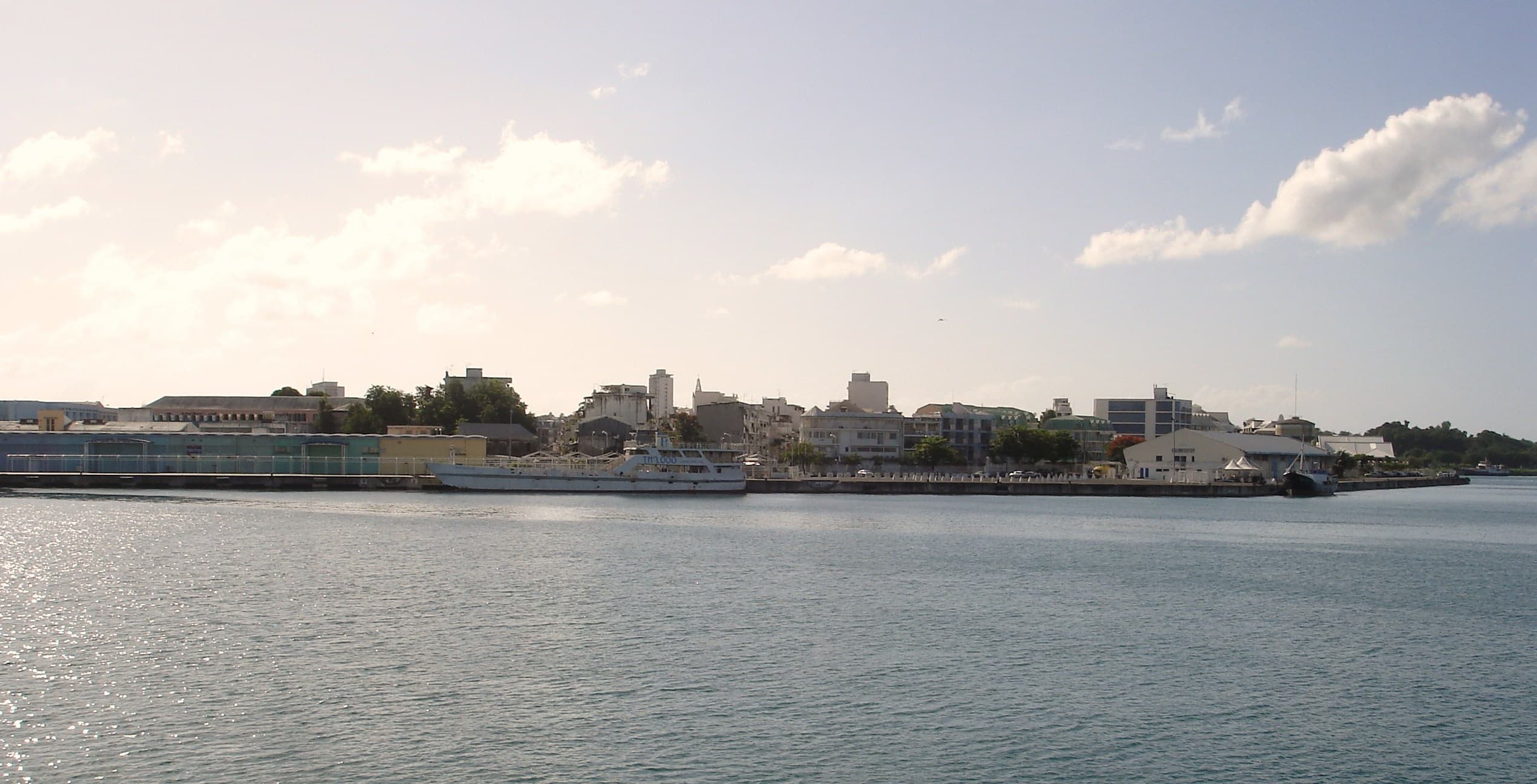
Arriving in Pointe-à-Pitre, you enter a busy Caribbean harbour framed by low shores, marinas and the warm, humid energy of Guadeloupe’s main urban area. Nearby, the waterfront and town streets offer colourful markets, Creole architecture and views across the bay, with green hills and tropical coastline never far away.
Arriving in Pointe-à-Pitre, you enter a busy Caribbean harbour framed by low shores, marinas and the warm, humid energy of Guadeloupe’s main urban area. Nearby, the waterfront and town streets offer colourful markets, Creole architecture and views across the bay, with green hills and tropical coastline never far away.
Two famous volcanic cones are indisputably the emblem of St. Lucia and have been designated as UNESCO World Heritage Sites. Gros and Petit Piton tower over the southern, windward side of the island and, in Soufrière, seem close enough to touch. The volcanoes have in fact long been extinct, but the sulphur springs demonstrate the power of the earth's core and still bubble up. In the Botanical Gardens, natural abundance is combined with artistic arrangements to create a colorful tropical paradise. Some people claim that Josephine, who later became Napoleon's wife, used to bathe in the little pool in the garden.
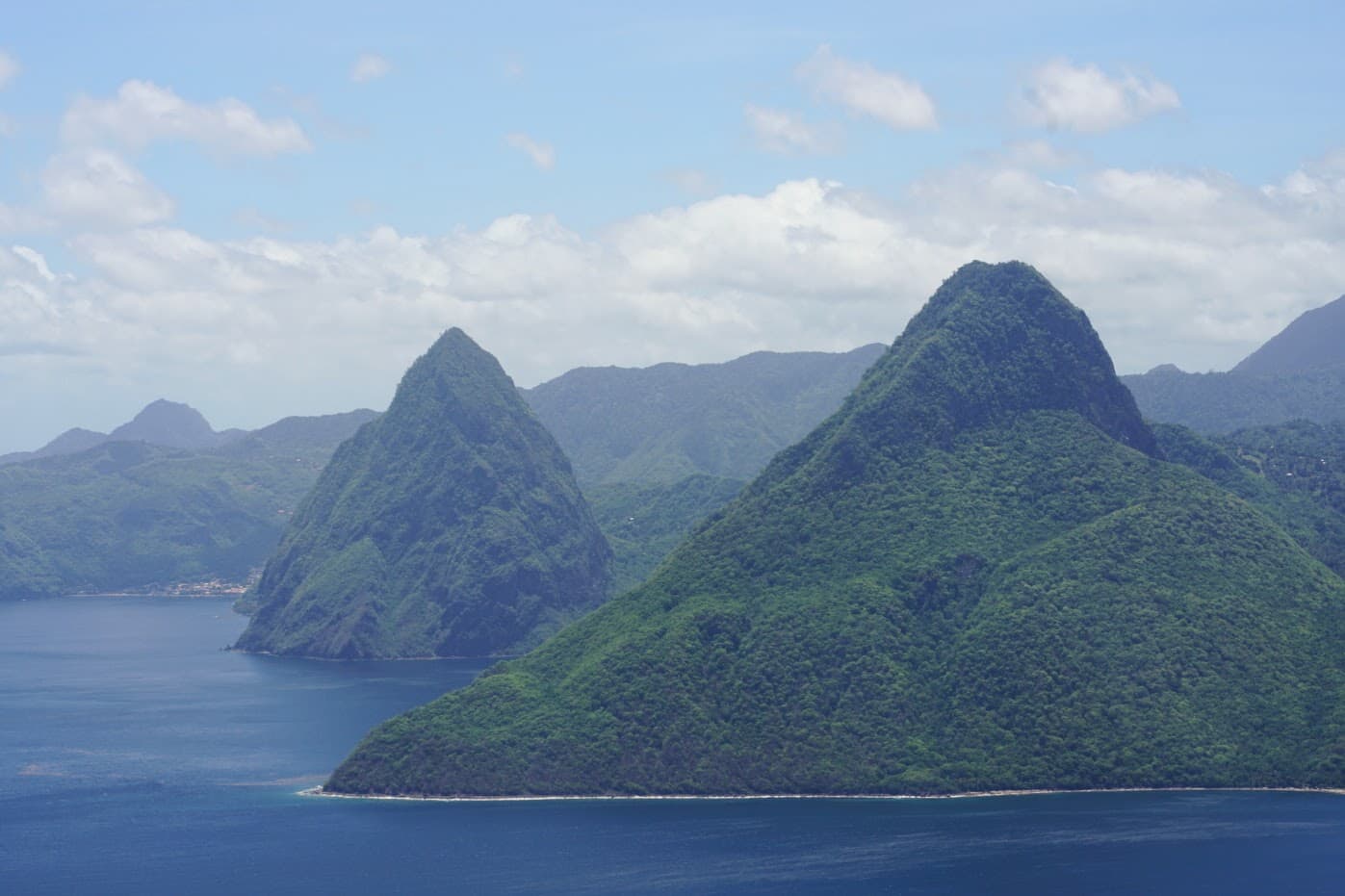
Arriving off Soufrière, you are greeted by a dramatic green coastline where steep hills tumble toward a sheltered bay, giving this part of St. Lucia a lush, volcanic feel. Nearby, the famous Pitons rise over the coast, and the town itself has a relaxed Caribbean atmosphere with colorful buildings backed by dense tropical slopes.
The 'Paris of the Islands,' the 'Pearl of the Antilles,' or the 'Venice of the Tropics' – Saint-Pierre in the northwest of the French dream island Martinique has always inspired romantic comparisons. Founded in 1635, the city at the foot of the volcanic mountain Pelée flourished due to sugar and slave trade, becoming the economic and cultural center of the island. Prosperity continued until 1902 when Pelée erupted, destroying Saint-Pierre and burying 30,000 people under lava, embers, and ash. Today, the coastal town is officially classified as a 'City of Art and History': In addition to the ruins of the theater and the old church, the intricate buildings of the Chamber of Commerce and the cathedral are worth a visit.
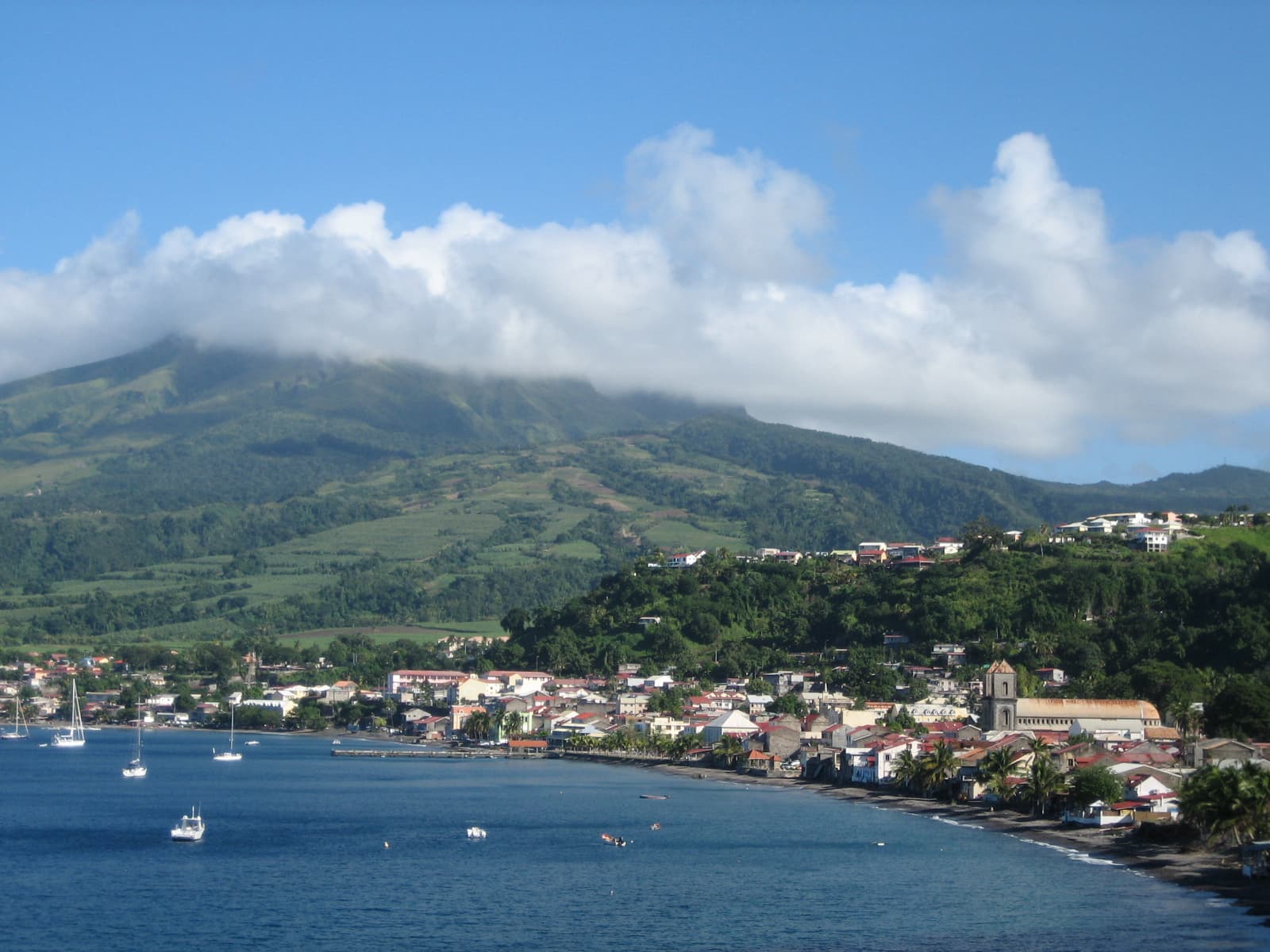
Arriving at Saint-Pierre, you come ashore on a dramatic stretch of Martinique’s Caribbean coast, with green volcanic slopes rising behind the bay and a relaxed tropical atmosphere all around. Nearby, visitors can explore the historic streets and waterfront of this small town, where the sea, mountain backdrop, and traces of the island’s past give the place a distinctive character.
Climbing the rigging, untying ropes, setting sails – today is all about sailing. Time to lean back and relax in the deck chair and watch the passionate crew hoisting the sails by hand.
With an area of 100 square miles and a population of only around 53,000, the Federation of St. Kitts and Nevis is one of the twelve smallest recognized states in the world. Located to the southeast, Nevis is the smaller and quieter of the two leeward islands – and a true Caribbean dream. Lush green rainforests stretch along the slopes of its extinct volcano, flowing into long sandy beaches that shimmer seductively in various shades of yellow, black and red toward the ocean. Charlestown itself is quite manageable, and offers two museums as cultural alternatives to splashing around in the warm Caribbean waters.
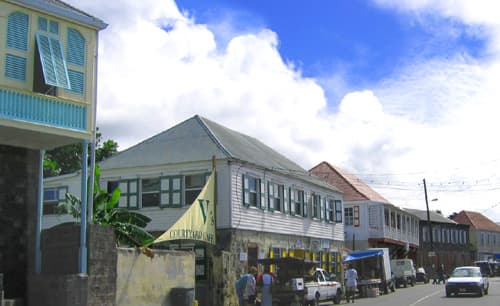
Arriving by ship at Charlestown, you are welcomed by a low, sunlit waterfront backed by green hills and the broad silhouette of Nevis Peak rising inland. Nearby, the town has a calm Caribbean feel, with Georgian-era buildings, quiet streets, and beaches and old plantation landscapes within easy reach.
Explorers once used to cross swords in the Sir Francis Drake Channel. Nowadays the sea around the British Virgin Islands is one of the world's best sailing areas. Heavenly bays, gorgeous beaches, idyllic anchoring spots, smart yacht clubs and charming little beach bars make the island a popular haunt for sailors. On Virgin Gorda, once called "The Fat Virgin" by Columbus due to its shape, you can find "The Baths", one of nature's most beautiful oddities, in the National Park. Ground to a sphere and polished to a shine, the huge granite formations on the beach and in the water create a multi-branched labyrinth of giant boulders.
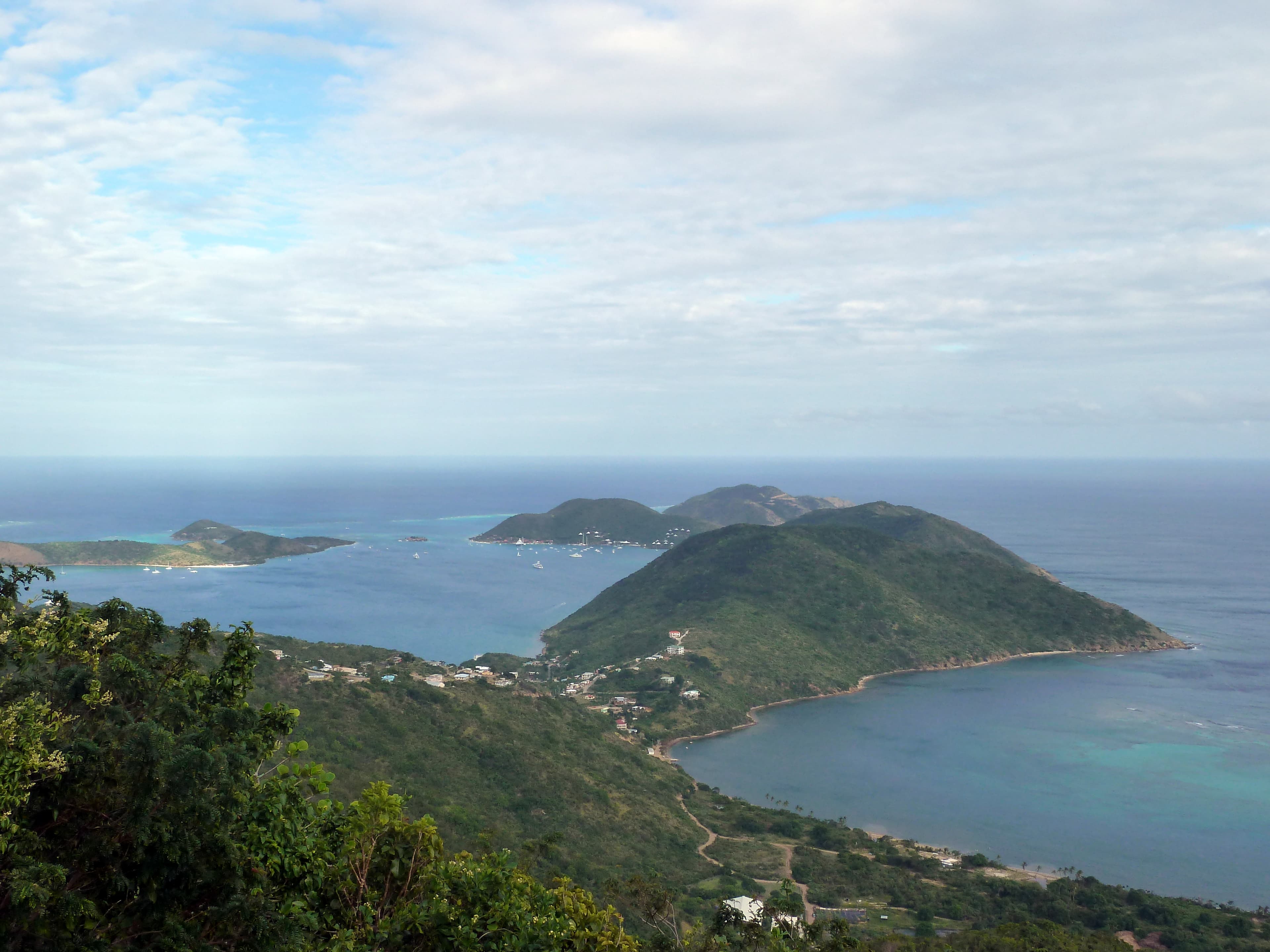
North Sound welcomes ships with calm, bright-blue water, low green hills, and a scattered coastline of marinas, beaches, and small islands. From the anchorage, the atmosphere feels relaxed and upscale, with nearby shores offering easy views of Virgin Gorda’s sheltered bays and elegant Caribbean seascapes.
The Sir Francis Drake Channel, where swords once crossed, is now one of the most beautiful sailing spots. Jost van Dyke, the smallest of the main islands in the British Virgin Islands, is a mountainous volcanic object of beauty with fewer than 300 inhabitants. One of them, Foxy, has been mixing his cocktails since 1968 and the bar of the same name enjoys a legendary reputation as perhaps the most famous beach bar in the Lesser Antilles. The island's past is less reputable – it was named by a Dutch pirate. The island gives its most beautiful treasures to all who visit – fine sand, green palm trees, colorful beach bars and the luminous blue of the sea.
White Bay welcomes ships with a brilliant curve of white sand, clear turquoise water, and low green hills that give this corner of Jost van Dyke its relaxed Caribbean feel. From the anchorage, the shoreline looks idyllic and unhurried, with beaches and coastal views nearby rather than a busy port scene.
On this island, which is part of Hispaniola, Columbus founded the first Spanish colony in America. Santo Domingo, the present capital of the Dominican Republic, is the first and oldest European-founded city in the New World. Old in the New World still means relatively young – it corresponds to Renaissance visions of the ideal and was the model for many cities in Latin America. A visit to the historic old city is like a journey through time. The splendid stone buildings are testament to the era of the colonial conquests and have been smartened up as World Heritage Sites under the protection of UNESCO.
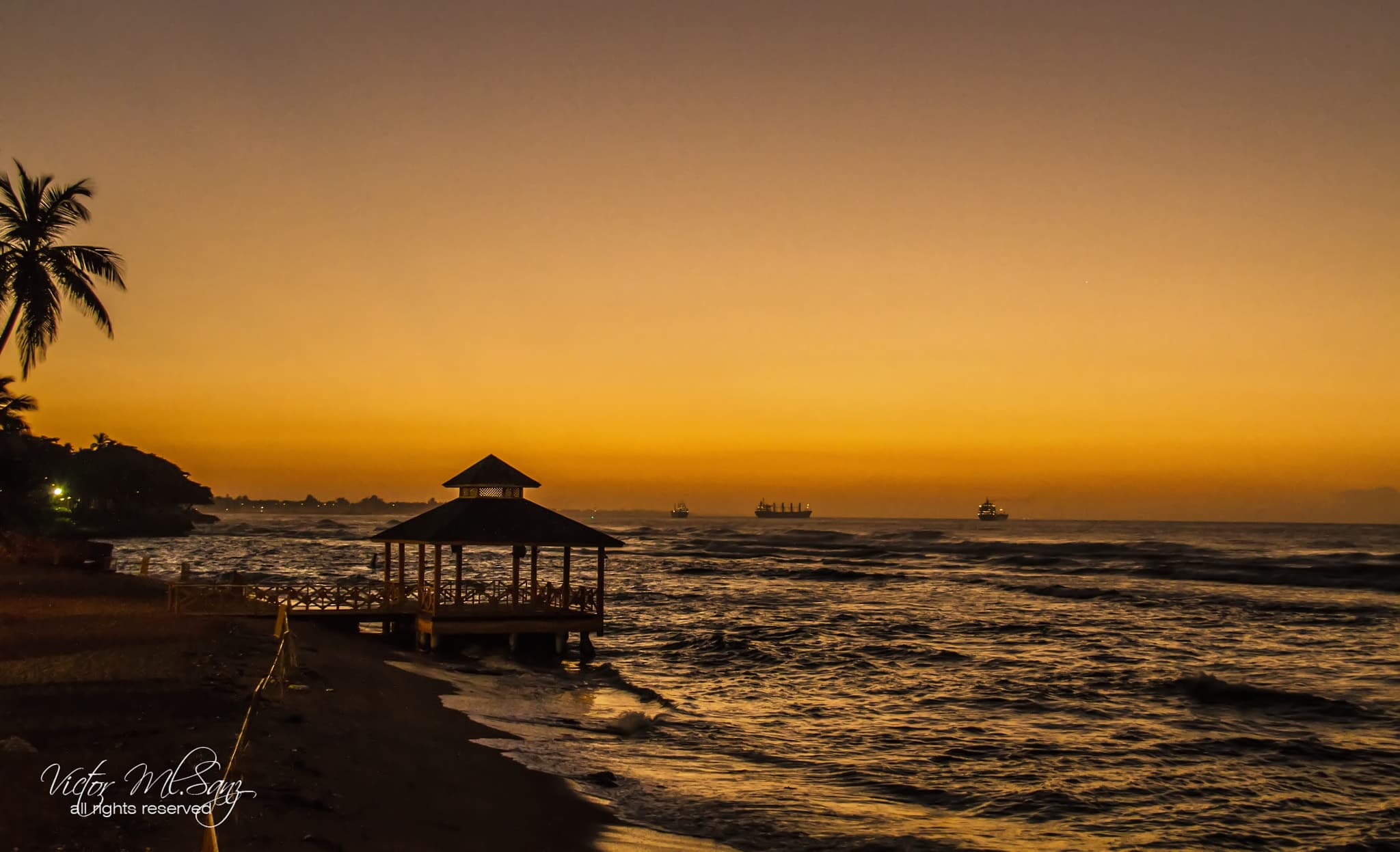
Arriving in Santo Domingo, you come to a busy Caribbean port backed by the broad city waterfront and the mouth of the Ozama River. Nearby, the historic Zona Colonial offers old stone streets, churches and plazas, while the seafront has an energetic urban feel with sea breezes, traffic and the pulse of the Dominican capital.
Arriving in Bridgetown, you come into a busy Caribbean harbour backed by low-rise city streets, palms, and the bright light of Barbados’ west coast. Nearby, visitors can explore the historic centre and waterfront areas, while the island’s easygoing, sun-washed atmosphere is never far from the quay.
Man-O-War Bay offers a calm, intimate anchorage framed by green hills, palms, and the brightly painted waterfront of Charlotteville nearby. Arriving by ship, you get a classic north Tobago scene of clear water, fishing boats, and a relaxed Caribbean atmosphere, with beaches and coastal viewpoints close at hand.
Arriving by ship, St. George’s unfolds around a deep, horseshoe-shaped harbour, with colorful hillside houses, church towers, and the green slopes beyond giving the waterfront a vivid Caribbean backdrop. Nearby, visitors can look out over the bay, wander into the compact historic streets, and enjoy the relaxed yet lively atmosphere of Grenada’s capital.
Tobago Cays welcomes arriving ships with a dazzling lagoon of clear turquoise water, tiny islets, and bright coral shallows. The mood is peaceful and castaway-like, with nearby reefs, sandy beaches, and green cays creating one of the most idyllic seascapes in the Grenadines.
Port Elizabeth opens onto a calm, yacht-filled bay backed by green hills and a waterfront lined with low, colorful Caribbean buildings. Arriving by ship, you get an easy sense of Bequia’s relaxed island rhythm, with beaches, small waterfront streets, and broad harbour views waiting nearby.
Arriving at Cabrits, you are greeted by a lush, volcanic coastline, calm bay waters and a quieter, more remote corner of Dominica than the island’s larger ports. Nearby, the Cabrits peninsula and the old hilltop fort offer striking views over Prince Rupert Bay, with dense tropical greenery all around.
Arriving in Pointe-à-Pitre, you enter a busy Caribbean harbour framed by low shores, marinas and the warm, humid energy of Guadeloupe’s main urban area. Nearby, the waterfront and town streets offer colourful markets, Creole architecture and views across the bay, with green hills and tropical coastline never far away.
Arriving off Soufrière, you are greeted by a dramatic green coastline where steep hills tumble toward a sheltered bay, giving this part of St. Lucia a lush, volcanic feel. Nearby, the famous Pitons rise over the coast, and the town itself has a relaxed Caribbean atmosphere with colorful buildings backed by dense tropical slopes.
Arriving at Saint-Pierre, you come ashore on a dramatic stretch of Martinique’s Caribbean coast, with green volcanic slopes rising behind the bay and a relaxed tropical atmosphere all around. Nearby, visitors can explore the historic streets and waterfront of this small town, where the sea, mountain backdrop, and traces of the island’s past give the place a distinctive character.
Arriving by ship at Charlestown, you are welcomed by a low, sunlit waterfront backed by green hills and the broad silhouette of Nevis Peak rising inland. Nearby, the town has a calm Caribbean feel, with Georgian-era buildings, quiet streets, and beaches and old plantation landscapes within easy reach.
North Sound welcomes ships with calm, bright-blue water, low green hills, and a scattered coastline of marinas, beaches, and small islands. From the anchorage, the atmosphere feels relaxed and upscale, with nearby shores offering easy views of Virgin Gorda’s sheltered bays and elegant Caribbean seascapes.
White Bay welcomes ships with a brilliant curve of white sand, clear turquoise water, and low green hills that give this corner of Jost van Dyke its relaxed Caribbean feel. From the anchorage, the shoreline looks idyllic and unhurried, with beaches and coastal views nearby rather than a busy port scene.
Arriving in Santo Domingo, you come to a busy Caribbean port backed by the broad city waterfront and the mouth of the Ozama River. Nearby, the historic Zona Colonial offers old stone streets, churches and plazas, while the seafront has an energetic urban feel with sea breezes, traffic and the pulse of the Dominican capital.

Puck,
15 October 2026
Puck,
18 October 2026
From ~€160 / person
 Holiday
Lisbon, Portugal
16 October 2026
Bridgetown, Barbados
31 October 2026
From ~€1,469 / person
 Holiday
Valletta, Malta
17 October 2026
Palma de Mallorca, Spain
25 October 2026
From €6,590 / person
Puck,
22 October 2026
Puck,
25 October 2026
From ~€160 / person