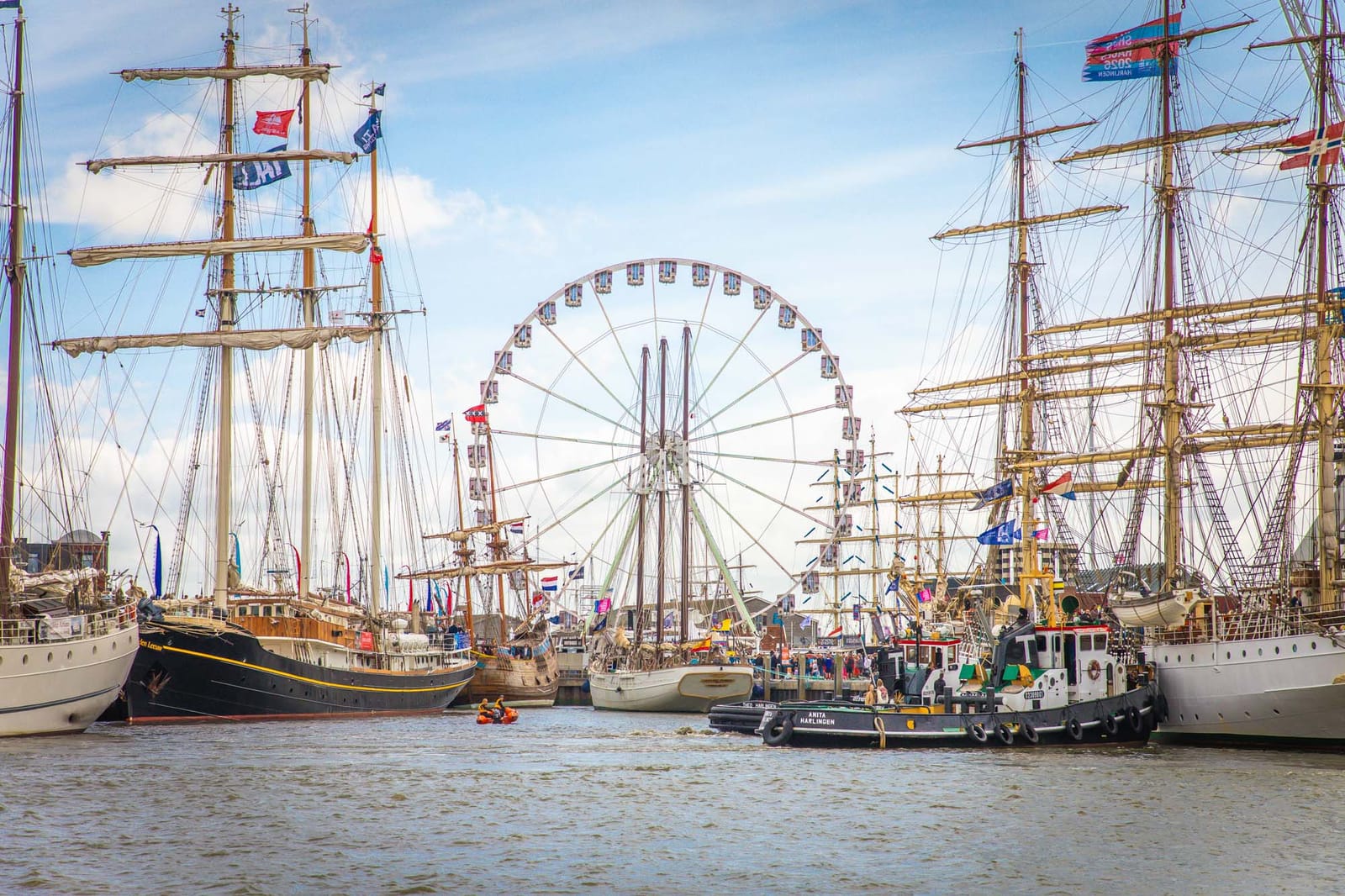
Another edition of the world's biggest sail training race series has wrapped up, and what a summer it's been. Five host ports, four countries, a fleet of some of the most beautiful ships afloat, and a lot of very tired (very happy) trainees. Here's everything that happened at the Tall Ship Races 2026, port by port, race by race, and podium by podium.
What Are the Tall Ship Races?
If you're new here: the Tall Ship Races are the largest annual event organised by Sail Training International (STI), and honestly, one of the coolest things happening on the water each summer. It's part regatta, part floating youth-development programme, and part travelling street festival - all rolled into one.
Every year, a fleet of tall ships traditional square-riggers, schooners, barques, brigantines, you name it - races between a series of host ports, competing across four classes (A, B, C and D) based on size and rig type. On board, most of the crew aren't professional sailors at all. They're trainees aged roughly 15 to 25, many of them stepping onto a ship for the very first time, learning seamanship, teamwork and a bit of grit along the way.
But it's not just a race for the crews. Each host port throws open its doors for a multi-day festival - free, family-friendly, and genuinely massive - where the public can walk the docks, board the ships, and watch the fleet arrive and depart in full sail. It's Europe's largest free maritime festival, and it's been running for 70 years now, which the Tall Ship Races proudly celebrated this season.
The Route: 2026's North Sea Circuit
This year, the fleet took on the North Sea, tracing a loop through four countries:
- Aarhus, Denmark (24–27 June) - the opening Parade of Sail and starting line
- Harlingen, Netherlands (3–6 July) - finish of Race 1
- Antwerp, Belgium (11–14 July) - departure point after a relaxed Cruise in Company
- Stavanger, Norway (22–25 July) - finish of Race 2
- Aalborg, Denmark (30 July–2 August) - the grand finale, finish of Race 3
That's three proper offshore races, plus a Cruise in Company between Harlingen and Antwerp - a slower, no-pressure leg where trainees get to enjoy sailing without the clock running.
Race 1: Aarhus → Harlingen
The series kicked off with the fleet departing Aarhus and racing across to Harlingen, where the results were revealed at a Prize Giving on the Blauwe Kop main stage.
Class A: 1st Kapitan Glowacki (Poland), 2nd Eendracht (Netherlands), 3rd Fryderyk Chopin (Poland)
Class B: 1st Rupel (Belgium), 2nd Ryvingen (Norway), 3rd Brabander (Lithuania) Class C: 1st Esprit (Germany), 2nd Belfer (Poland), 3rd Cykas (Poland) Class D: 1st Dar Szczecina (Poland), 2nd Tara (Denmark)
Kapitan Glowacki also picked up the Best Seamanship award for Race 1 — a strong sign of things to come for the Polish barquentine.
Race 2: Antwerp → Stavanger
After the Cruise in Company brought the fleet down to Antwerp, it was back to racing for the leg across to Stavanger. This time around, only Class A vessels competed in the race itself - the B, C and D fleets instead sailed the leg as a Cruise in Company and were celebrated with a set of specially created alternative award categories (more on that below).
Class A: 1st Kapitan Glowacki (Poland), 2nd Fryderyk Chopin (Poland), 3rd Eendracht (Netherlands) Line Honours: Kapitan Glowacki (Poland)
Race 3: Stavanger → Aalborg
The final leg - and the one that decided the overall series champions. The fleet raced from Stavanger to the finish line in Aalborg for one last showdown before the season closed out.
Class A: 1st Statsraad Lehmkuhl (Norway), 2nd Sorlandet (Norway), 3rd Kapitan Glowacki (Poland)
Class B: 1st Atlantica (Sweden), 2nd Marieto (Norway)
Class C: 1st Mohawk II (Norway), 2nd Wielkopolska (Poland)
Class D: 1st Dar Szczecina (Poland), 2nd Tara (Denmark), 3rd Orsa Maggiore (Italy) Line Honours: Orsa Maggiore (Italy)
When the Sea Had Other Plans
Not every leg of this year's series was smooth sailing - literally. The final race, from Stavanger to Aalborg, threw some genuinely tough North Sea weather at the fleet, and it took its toll. Shetland's own sail training vessel, Swan, was one of the crews forced to retire from Race 3 after the conditions turned properly challenging. Her young trainees took it in stride - by all accounts, the rest of their voyage was still full of highlights - but it was a reminder that these races are never just a pleasant cruise. Squally weather, big swells and long night watches are all part of the deal, and sometimes the safest call for a crew is to pull out and regroup rather than push on.
It's worth sitting with that for a second, because it's actually part of what makes the Tall Ship Races special. This isn't a scripted experience - it's real offshore sailing, with real conditions, real decisions, and real consequences. The crews who did cross the finish line in Aalborg earned it.
Class Winners and Overall Series Champions
Zooming out across the whole series, three ships stood out above the rest:
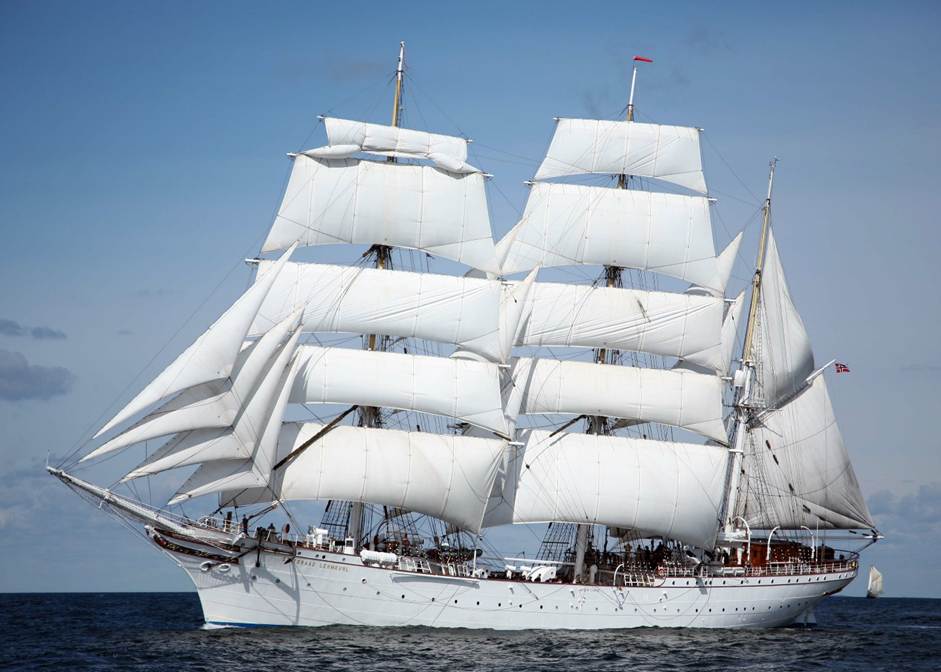
- 🏆 Overall Elapsed Time (whole series): Statsraad Lehmkuhl (Norway)
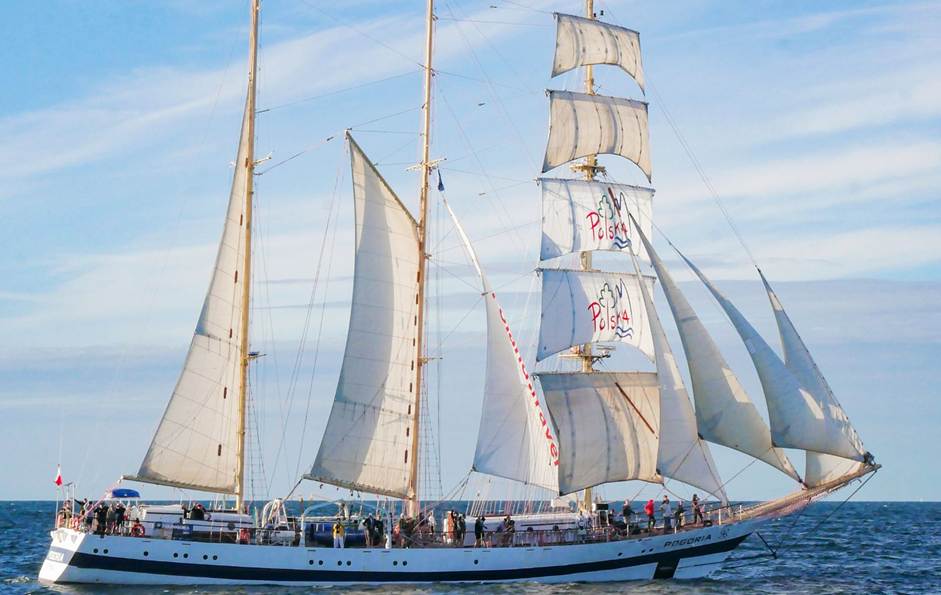
- 🏆 Overall Class A: Kapitan Glowacki (Poland)
- 🏆 Overall Class D: Dar Szczecina (Poland)
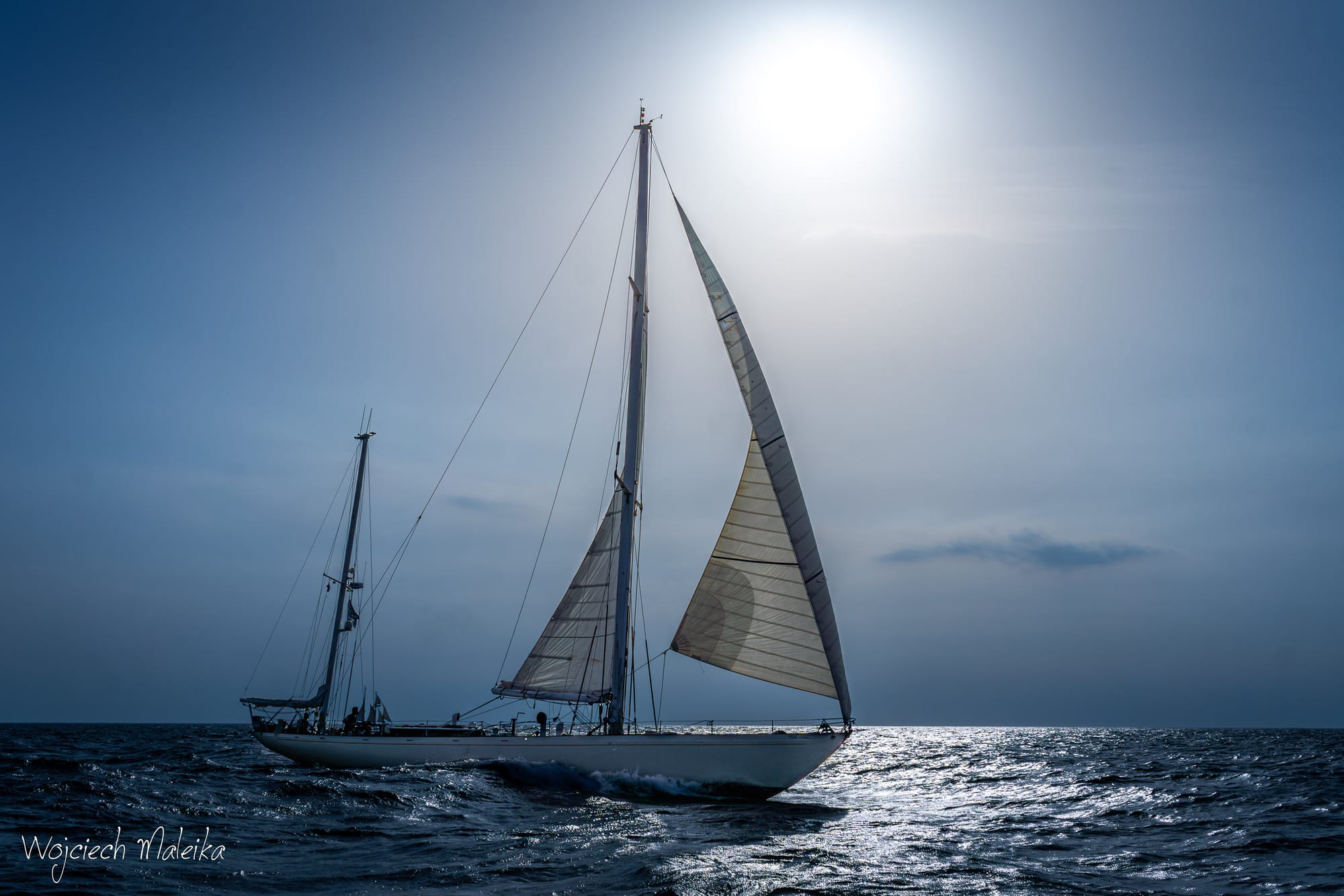
Kapitan Glowacki was the story of the series in Class A - podium finishes in all three legs, including two wins, made her the ship to beat all summer. Dar Szczecina was similarly dominant in Class D, taking first place in both races she competed in.
A few extra trophies were also handed out at the close of the series:
- Nordkapp Trophy (13th overall in the series) — Rupel (Belgium)
- Torbay Cup — Bartosz Boguszewski (Pogoria)
- Friendship Trophy 2026 — Jens Krogh (Denmark)
The Friendship Trophy is a special one - chosen by the trainees themselves, it's widely considered the award that best captures what these races are really about.
The Crew Parades: A Chapter of Their Own
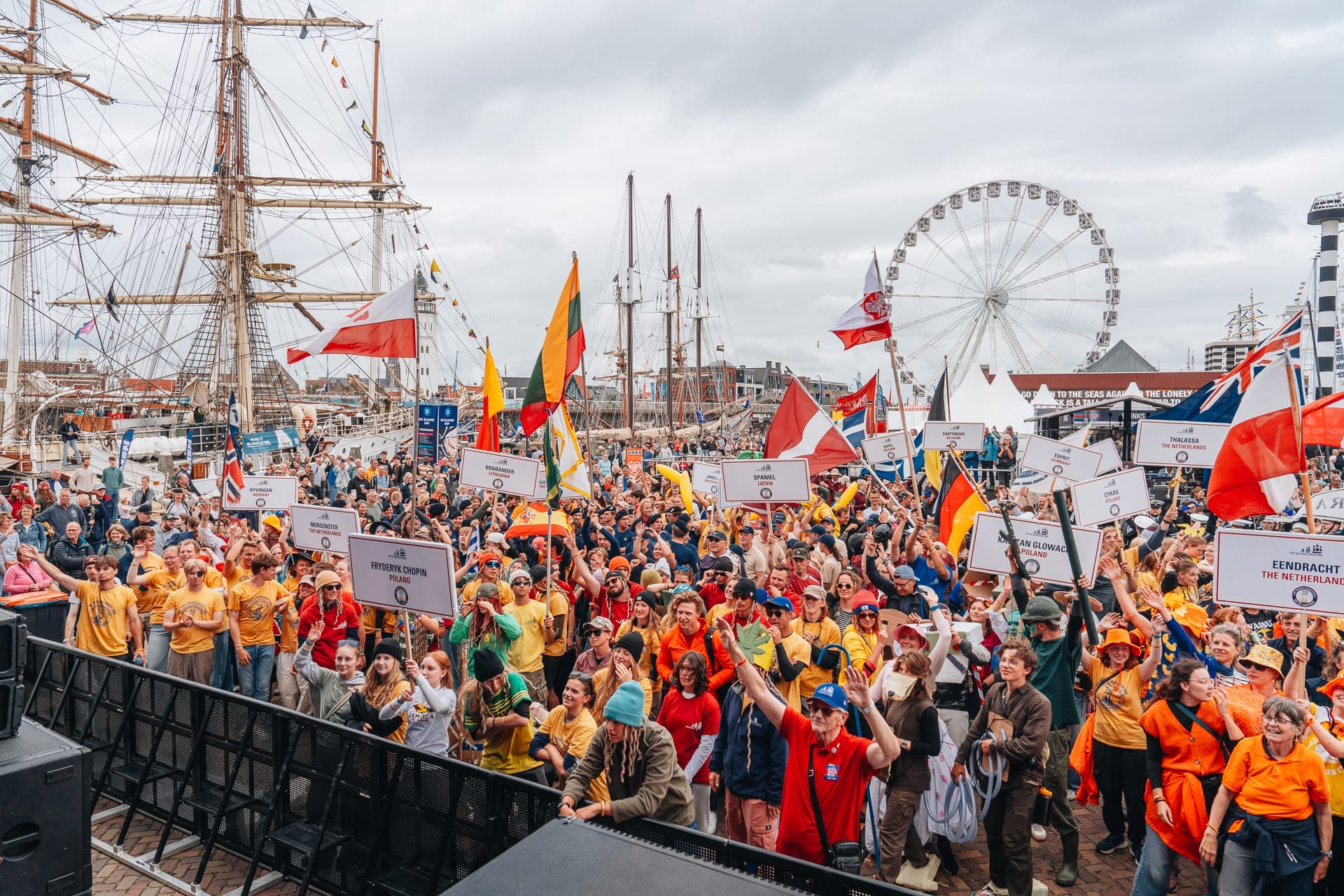
If the racing is the sport, the Crew Parade is the soul of every host port stop. At each city, trainees and crew from every ship on the fleet march together through the streets - flags flying, national costumes out, music blasting - before gathering for the Prize Giving ceremony. It's genuinely one of the best free spectacles in European sailing, and it draws enormous crowds at every stop.
Harlingen kept it playful with a "Tobbedansen" (barrel dancing) competition alongside the parade - won by Fryderyk Chopin, whose crew also claimed the youngest average age in the fleet at just 18.57 years. Thalassa (Netherlands) took Best in Crew Parade, with Kapitan Glowacki as runner-up. Statsraad Lehmkuhl picked up both the Sustainability Award and Most International Crew, with 21 nationalities aboard.
Stavanger brought a twist: since only Class A raced that leg, STI created a whole new set of alternative award categories for the B, C and D fleets - Boldness (Class B), Creative (Class C) and Dance (Class D) awards, celebrating everything from a genuinely impressive drone pizza delivery to a crew sending their comms updates entirely in the form of poems. Pogoria took Best in Crew Parade, with Aglaia as runner-up.
Aalborg, as the grand finale, hosted the biggest party of the summer. The parade wound through the city with a marching band leading the way, drawing thousands of locals and visitors alongside the crews. Fryderyk Chopin took Best in Crew Parade honours here too, with Sorlandet as runner-up, closing out the series on the highest possible note.
Source: https://harlingensail.com
Already Missing It? So Are We
That's a wrap on the Tall Ship Races 2026 - three races, five unforgettable host ports, and a season that will be talked about in fleet WhatsApp groups for years to come.
If watching this recap has you wanting to be on deck for the next one, that's exactly what we built Cruise Tall Ship for. Browse our Holiday, Training, Expedition and Maritime Event listings - including upcoming Tall Ship Races voyages — and find your own seat on the fleet.
Fair winds, and see you at the next start line.