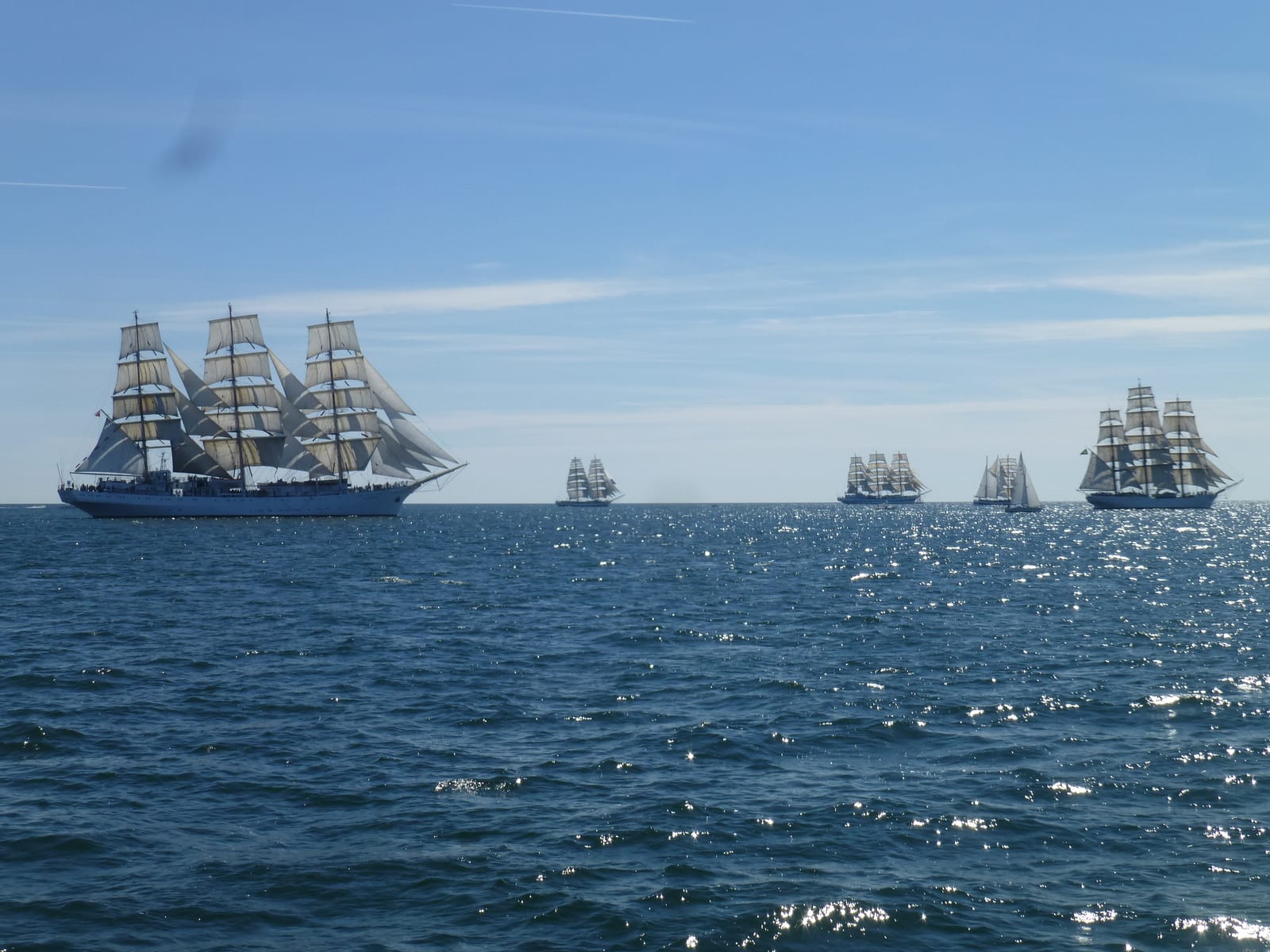
Better late than never - with small delay on our end - welcome to the first post on our Blog!
The Tall Ships Races 2026 return to one of the most spectacular basins in European sail training history: the North Sea. Four countries, five host ports, three demanding races and one relaxed Cruise in Company will bring together dozens of square-riggers, brigantines, schooners and barquentines for what promises to be the biggest tall ship event of the decade. Whether you're planning to watch the fleet from the quay or book a berth on board one of the tall ships taking part, this guide covers everything you need to know about the Tall Ships Races 2026 route, the participating vessels, and how to plan your own tall ship cruise around the event.
Tall Ships Races 2026: Dates and Host Ports
Organized by Sail Training International (STI), the Tall Ships Races 2026 will run from late June to early August, linking five Host Ports across four countries around the North Sea:
- Aarhus, Denmark - 24–27 June 2026
- Harlingen, the Netherlands - 3–6 July 2026
- Antwerp, Belgium - 11–14 July 2026
- Stavanger, Norway - 22–25 July 2026
- Aalborg, Denmark - 30 July–2 August 2026
Each Host Port turns into a free, family-friendly maritime festival for several days, with crew parades, open ship visits, live music and cultural exchange between crews from across the world. Aarhus, Denmark's second-largest city, has deep Viking-era maritime roots and previously hosted the fleet in 2019. Aalborg closes the series, with ships sailing up the Limfjord and past the Limfjord Bridge to a reception that has drawn crowds of over 700,000 spectators in past editions.
The Tall Ships Races 2026 Route: Races Explained
The 2026 edition is built around three competitive race legs plus one non-competitive Cruise in Company:
- Race 1: Aarhus (Denmark) → Harlingen (the Netherlands) — the opening leg of the series, taking the fleet from Denmark across the North Sea to the Dutch Wadden coast.
- Race 2: Antwerp (Belgium) → Stavanger (Norway) — a longer offshore leg (roughly 13–24 July) that tests crews across open North Sea waters, with the exact course set close to departure based on wind and weather conditions.
- Race 3: Stavanger (Norway) → Aalborg (Denmark) — the closing leg of the series, bringing the fleet back to Denmark for the grand finale in Aalborg.
- Cruise in Company — a more relaxed, non-competitive passage between selected ports, allowing trainees to rotate through different roles on board, stop in smaller harbors, and enjoy spontaneous anchorages without the pressure of racing.
Because the Harlingen–Antwerp connection isn't run as an official race, many operators offer it as a Cruise in Company leg - a great low-pressure entry point if you're joining a tall ship crew for the first time – this time you might have been late for it, but next year for such stages offers will be available in our search engine!
Tall Ship Classes: A, B, C and D Explained
One of the most useful things to understand before following (or joining) the Tall Ships Races 2026 is the STI classification system, which groups vessels by rig and size rather than nationality:
- Class A - traditionally rigged sailing vessels (square-riggers, barques, barquentines, brigs and large schooners) over 40 metres length overall, or smaller vessels carrying square sails. These are the iconic, photogenic giants of the fleet.
- Class B - traditionally rigged vessels under 40 metres LOA without square sails, generally smaller gaff-rigged schooners and ketches.
- Class C - modern, sail-training vessels over roughly 9.14 metres waterline length that don't carry spinnaker-type sails.
- Class D - modern sail-training vessels of similar size that do carry spinnaker-type sails.
This classification is what determines which ships race against each other, and it's the quickest way to tell a centuries-old Braque apart from a modern racing yacht in the fleet list.
Notable Tall Ships Taking Part in the 2026 Races
The full entry list is confirmed and updated by Sail Training International in the run-up to the event, but the fleet already includes some of the best-known names on the tall ship circuit:
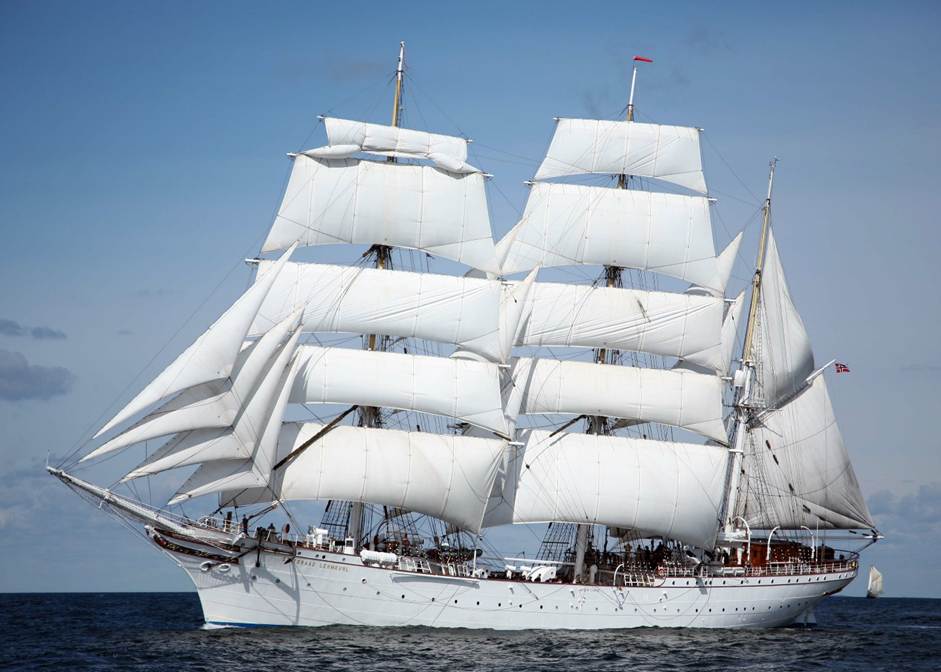
- Statsraad Lehmkuhl (Norway) - a Class A barque nearly 100 metres long and 40 metres high, one of the largest and most recognisable traditional sailing ships in the world, able to carry around 140 trainees.
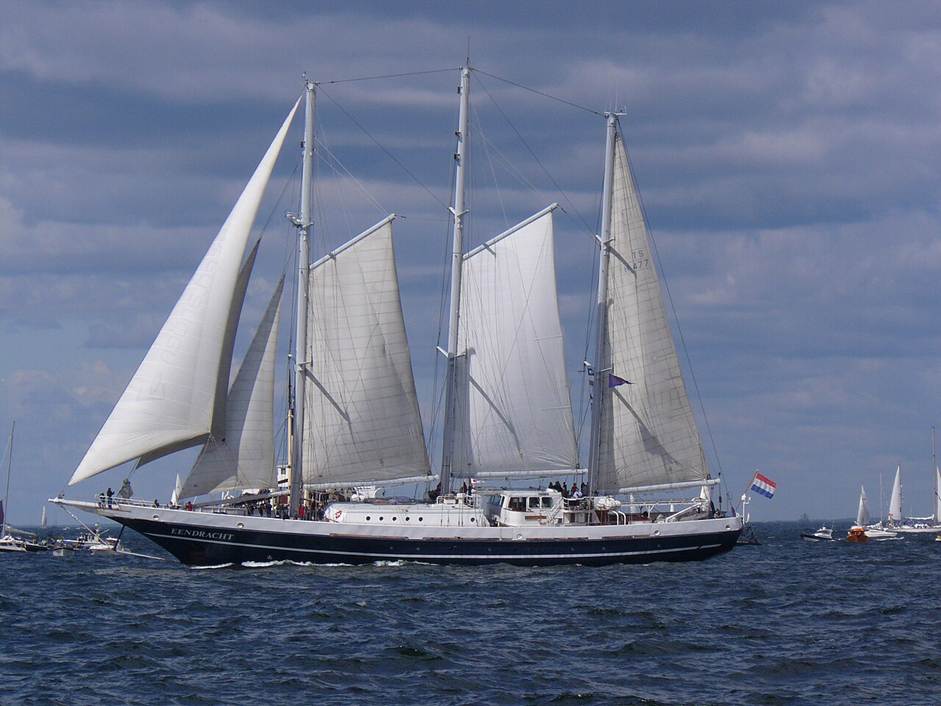
- Eendracht (the Netherlands) - a 63.5-metre Class A schooner built in 1989 and a regular fixture of the Tall Ships Races.
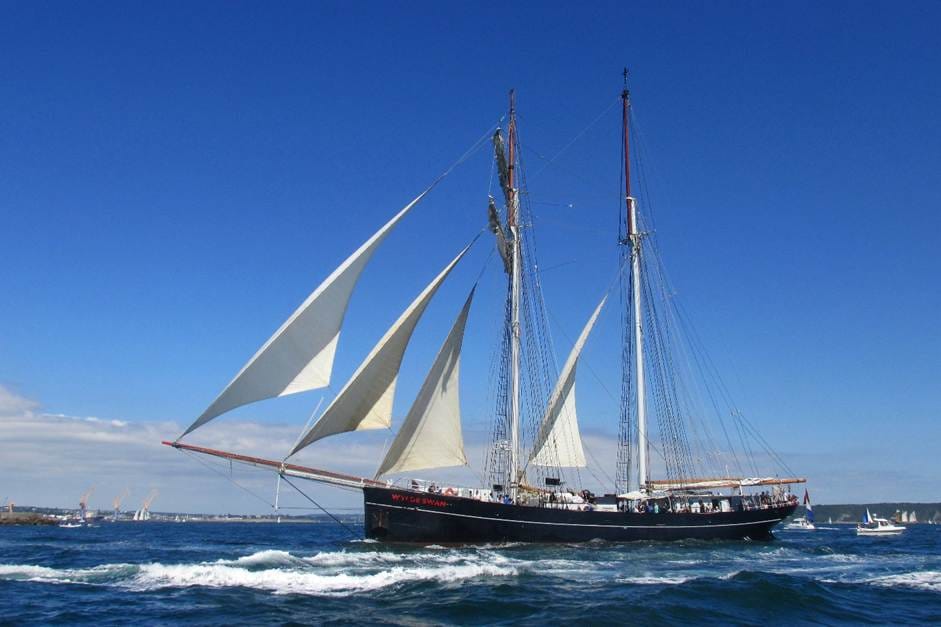
- Wylde Swan (the Netherlands) - the largest two-masted topsail schooner in the world, over 56 metres long and 30 metres high, prized for both speed and long ocean passages.
- Gulden Leeuw (the Netherlands) - a nearly 70-metre, three-masted Class A schooner built in 1937, one of the largest of her type still sailing.
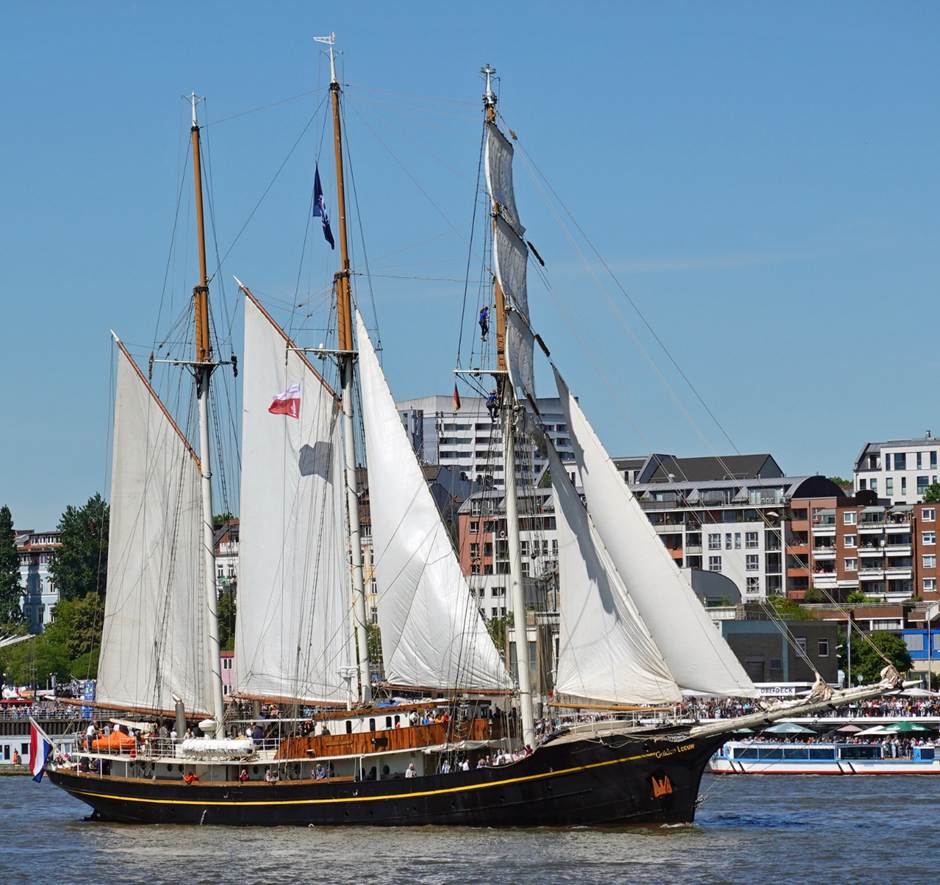
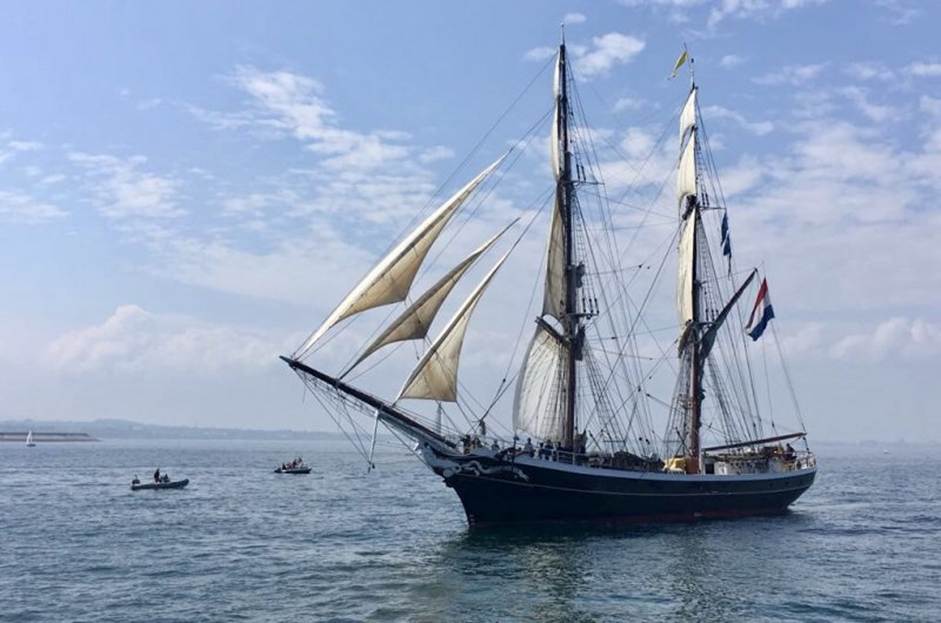
- Morgenster (the Netherlands) - an A-class brig dating back to 1919, 48 metres long, with a working history spanning fishing and sail training.
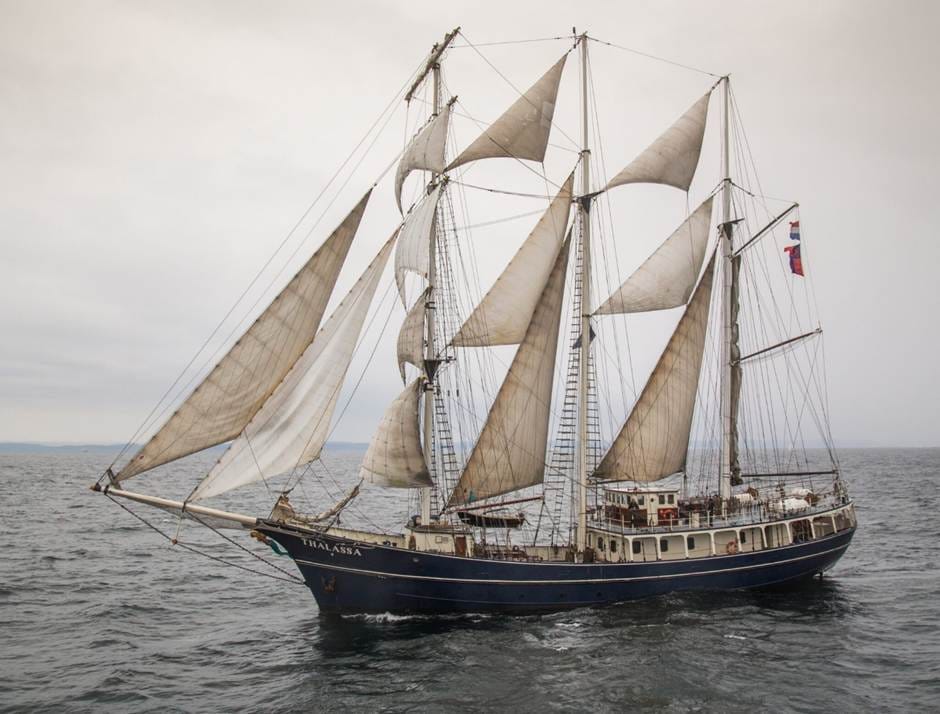
- Thalassa (the Netherlands) - a 45-metre Class A barquentine that sank in 1985 and was fully rebuilt before relaunching in 1995.
- TS Royalist (United Kingdom) - a Class A brig and flagship of the Sea Cadets, 36.5 metres long and one of the youngest ships in the fleet.
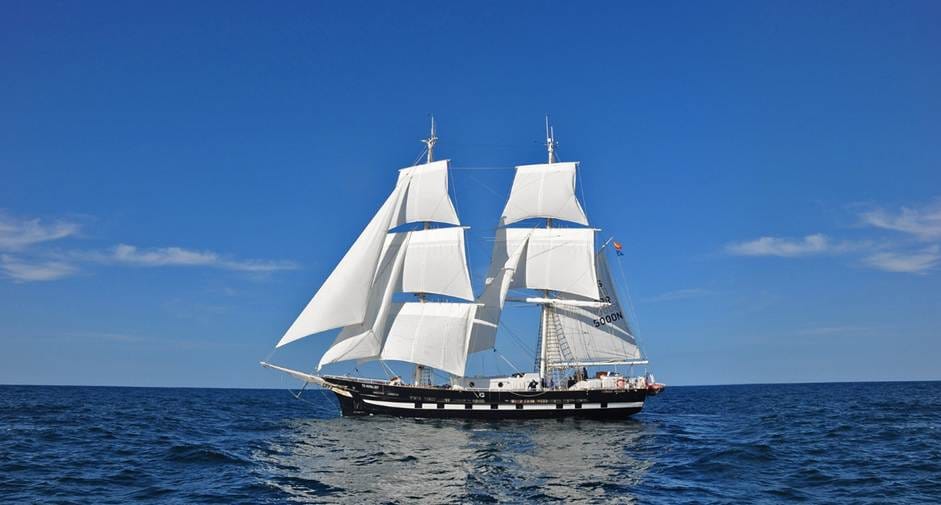
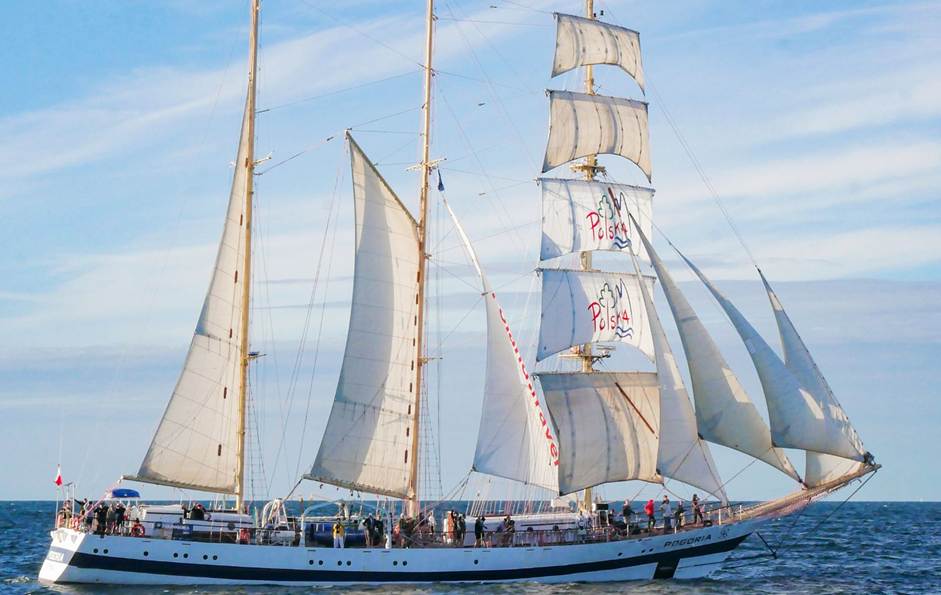
- Pogoria (Poland) - a 49.5-metre Class A, three-masted training ship and a long-time favourite among Polish sail training vessels.
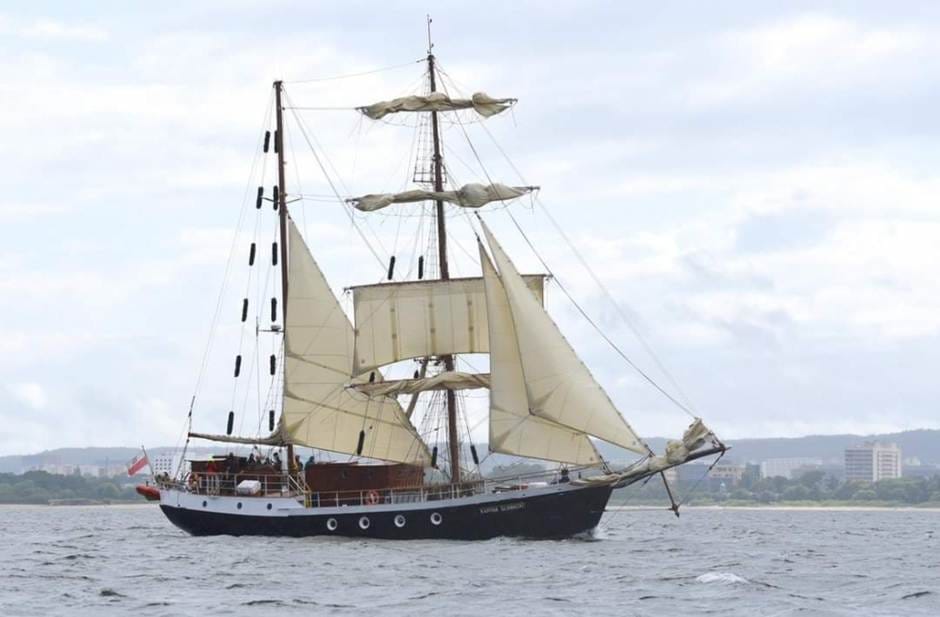
- Kapitan Glowacki (Poland) - a 33.6-metre Class A brigantine built in 1944.
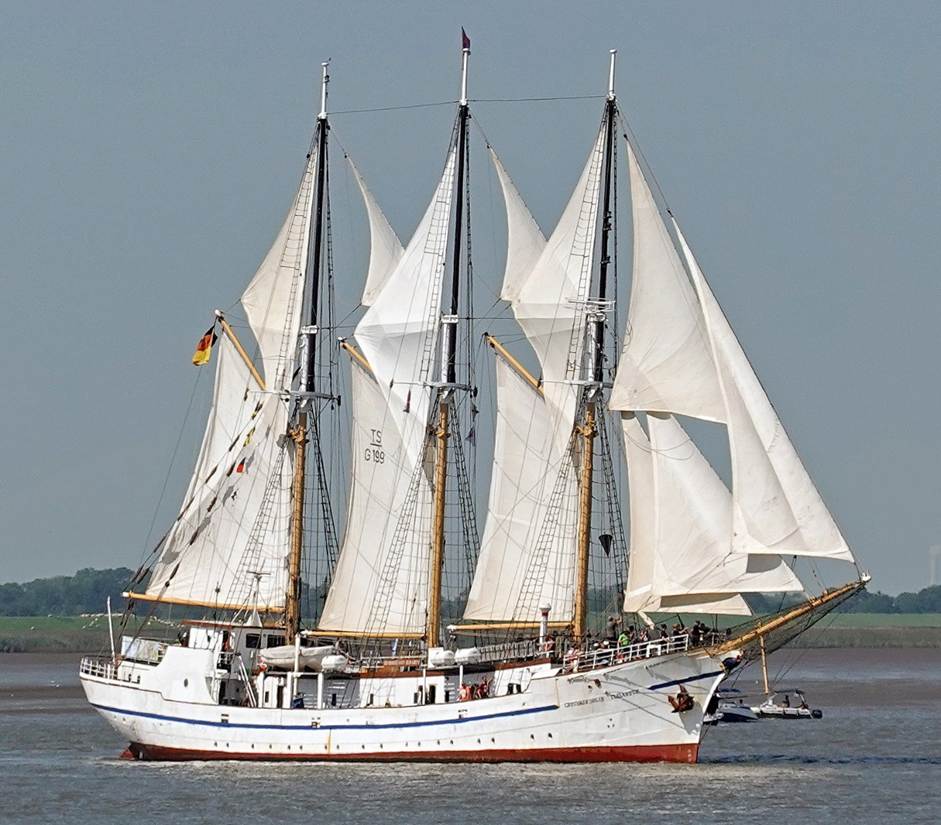
- Grossherzogin Elisabeth (Germany) - a Class A schooner built in 1909, 58.66 metres long.
- Smaller Class B vessels such as the Danish schooner Jylland, the Spanish Pascual Flores, the Polish Kapitan Borchardt and the Swedish Atlantica round out the fleet with equally rich histories.
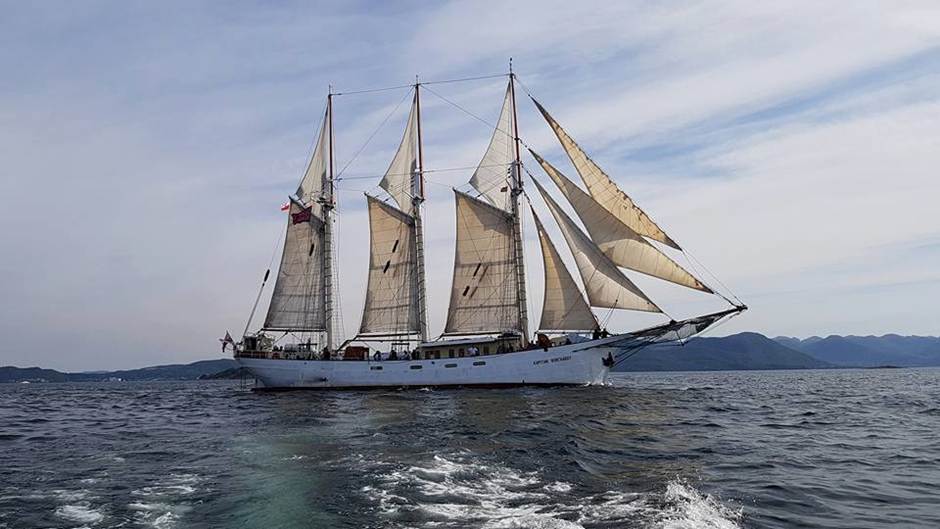
Together, these vessels give the Tall Ships Races 2026 fleet the variety that makes the event so popular with spectators: centuries-old square-riggers alongside 20th-century schooners and modern sail-training ships, ranging in Class from A to D and in home country across Poland, Norway, the Netherlands, Germany, the UK, Spain, Sweden and Denmark.
Watching the Fleet vs Sailing with it
There are two very different ways to experience the Tall Ships Races 2026:
- As a spectator, you can follow the fleet from port to port. The best moment to see the whole fleet together is at the Parade of Sail when all ships depart at once; arrivals are staggered, since faster ships reach the next port ahead of the rest. Most Host Ports also run spectator boats that get you closer to the action - these fill up fast, so book early.
- As a trainee crew member, you can join one of the participating vessels for a leg of the race or the Cruise in Company. No previous sailing experience is required on most ships, though sailors generally need to be at least 15 years old, and some voyages are designed specifically for the 15–25 age group.
Planning Your Own Tall Ship Cruise
If the Tall Ships Races 2026 has you thinking about booking a berth on a traditional sailing ship yourself - whether for one of the North Sea race legs or a different tall ship voyage entirely - that's exactly what a tall ship cruise search engine is built for: comparing available voyages, ships and operators in one place instead of checking dozens of individual ship websites one by one. It's worth deciding early whether you want the adrenaline of a competitive race leg or the slower pace of a Cruise in Company, since berths on the most popular vessels - especially Class A ships like Statsraad Lehmkuhl or Wylde Swan - tend to sell out well ahead of the season.
FAQ: Tall Ships Races 2026
When do the Tall Ships Races 2026 start? The series opens in Aarhus, Denmark on 24 June 2026 and concludes in Aalborg on 2 August 2026.
How many ships take part in the Tall Ships Races 2026? Sail Training International expects the fleet to grow toward 100 or more vessels across all four classes by the time the races start, with new entries confirmed regularly.
What's the difference between a Race leg and a Cruise in Company? A Race leg is a timed, competitive passage between two Host Ports. A Cruise in Company covers the same general route but without racing, giving trainees more time to learn different roles on board and stop at smaller ports along the way.
Do I need sailing experience to join a tall ship for the 2026 races? No. Most vessels welcome complete beginners as trainee crew, though minimum age requirements (typically 15) and a basic health declaration usually apply.
Looking for a berth on a tall ship for the 2027 season, or planning your own traditional sailing cruise? Compare available voyages and vessels on Cruisetallship.